




Digitalizing Energy Storage to Power Vietnam’s Energy Future
10:01 | 02/02/2026
Driven by PDP8, Vietnam’s wind and solar capacity is expanding at an unprecedented pace. Alongside this growth, however, the power system is experiencing increasing operational stress. Renewable generation variability is becoming more frequent, local grid constraints are tightening, and the need for system flexibility, including balancing and reserve capacity, is rising steadily. As a result, energy storage is shifting from an “optional add-on” to a critical component of power system infrastructure.
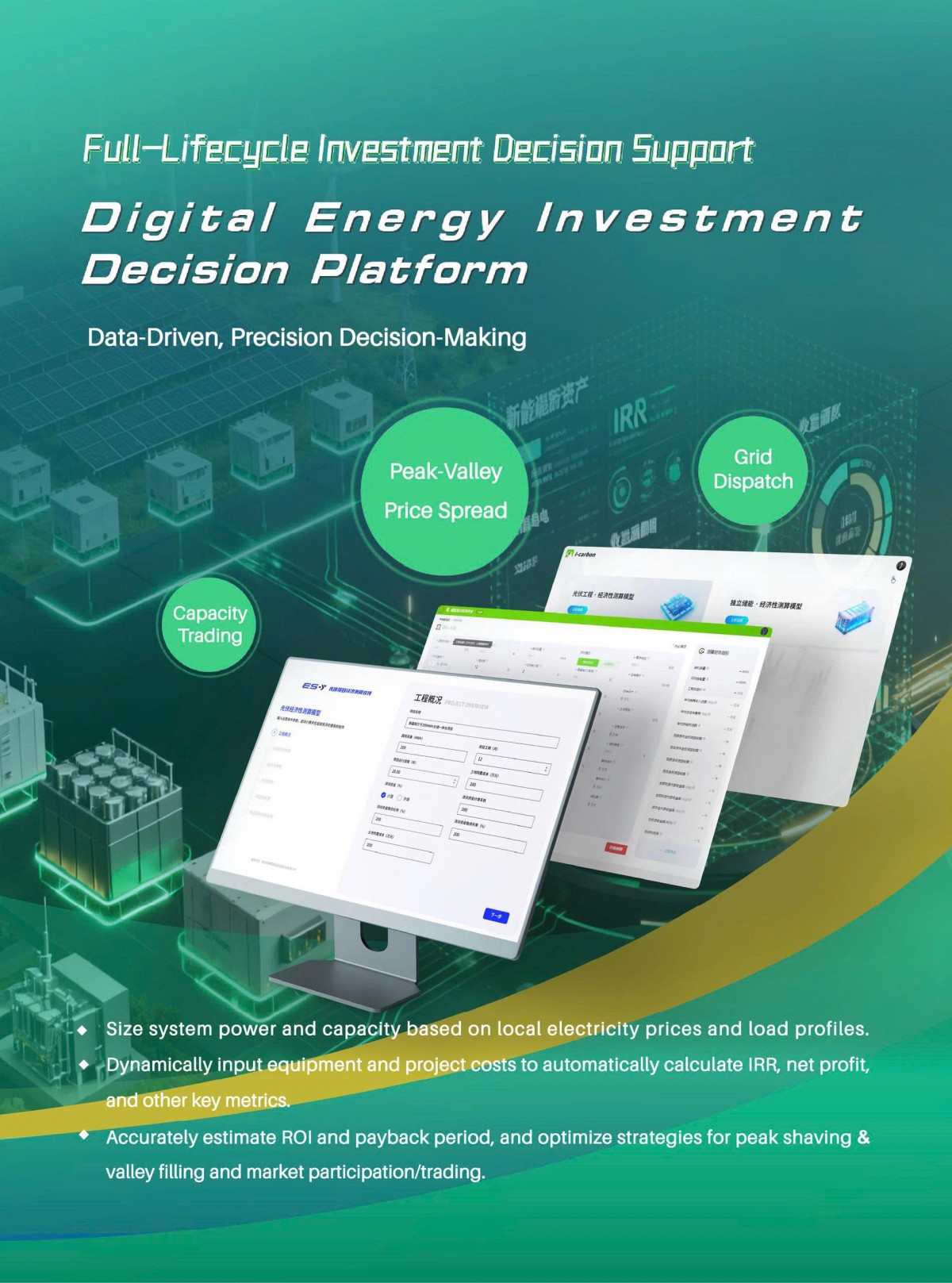 |
| Neovest empowers smarter energy investments with a data-driven, full-lifecycle decision platform. |
The success of an energy storage project is no longer defined by installed megawatt-hours alone. Instead, it is measured by the system’s ability to deliver safety, high availability, and bankable economics over the long term. Achieving these objectives requires a fundamental change in how battery energy storage systems (BESS) are designed, operated, and managed, placing digitalization at the core.
The primary goal of digitalization is to transform a BESS from a collection of hardware into an operable and investable asset. The first step is building a robust data foundation. This involves connecting and harmonizing data across the Battery Management System (BMS), Power Conversion System (PCS), Energy Management System (EMS), and the point of interconnection (POI). Standardized data definitions must be established, along with key performance indicators (KPIs) and thresholds covering state of charge and state of health (SOC/SOH), thermal behavior, cell-to-cell consistency, and power capability limits. A solid data foundation improves alarm quality, accelerates fault isolation, and shifts operations and maintenance (O&M) from reactive responses to condition-based and predictive maintenance.
Beyond monitoring, digitalization enables adaptive dispatch strategies. Rather than relying on a fixed, one-size-fits-all operating strategy for an entire year, modern BESS operations should integrate load profiles, renewable output forecasts, price signals, and grid constraints into simulation models and rolling-horizon optimization. This allows charging and discharging schedules to be adjusted dynamically, balancing revenue maximization with battery degradation control and extending asset lifetime.
Equally important is the operationalization of digital strategies. Standardized closed-loop workflows, linking alarms, work orders, corrective actions, and post-action reviews, are essential for consistent execution. Operational performance should be tracked through metrics such as downtime, technical availability, degradation indicators, and revenue contribution. This ensures that storage operations are fully traceable, auditable, and aligned with the expectations of investors and lenders.
For deployment in Vietnam, three pilot pathways can be prioritized. The first is microgrids and weak-grid areas, including islands and remote regions, where energy storage can significantly improve power quality and reduce dependence on diesel and other fossil fuels. The second pathway focuses on industrial parks and urban load centers, where BESS can support demand management, time-of-use (TOU) arbitrage, and power quality enhancement. The third involves grid nodes with high concentrations of renewable energy, where storage can enhance system security, facilitate the integration of renewables, and help codify grid connection strategies and operational standards.
Within this landscape, Neovest - guided by the Energy-as-a-Service (EaaS) concept- has developed a zero-carbon digital integrated platform covering the full project lifecycle, from investment evaluation and construction management to operations and maintenance. The platform emphasizes unified monitoring of multi-source data and closed-loop, demand-side optimization, offering a practical digital foundation for Vietnam’s energy storage pilot projects.
In conclusion, energy storage digitalization is not about creating flashy dashboards or isolated analytics tools. It is about building systems that are more stable, more controllable, and more scalable -capabilities that will be essential for Vietnam as it advances its energy transition and works toward a resilient, low-carbon power system./.


