


Rooftop Solar and Energy Storage Development in Industrial Parks: Field Insights from Dong Nai and Bac Ninh
10:14 | 17/01/2026
1. Current Status of Rooftop Solar Deployment
The survey reveals a clear regional disparity between southern and northern Vietnam in terms of readiness and rooftop solar adoption rates.
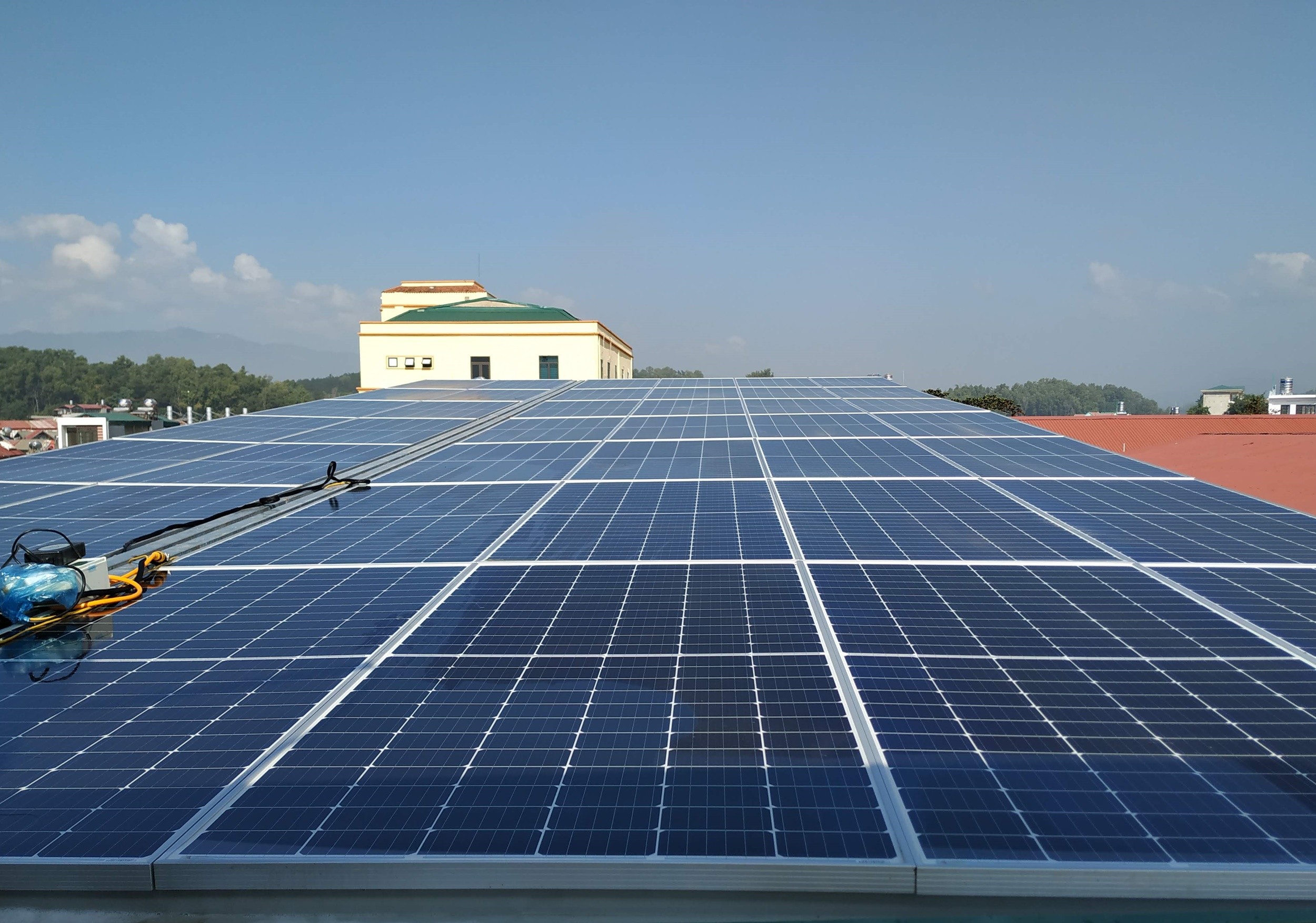
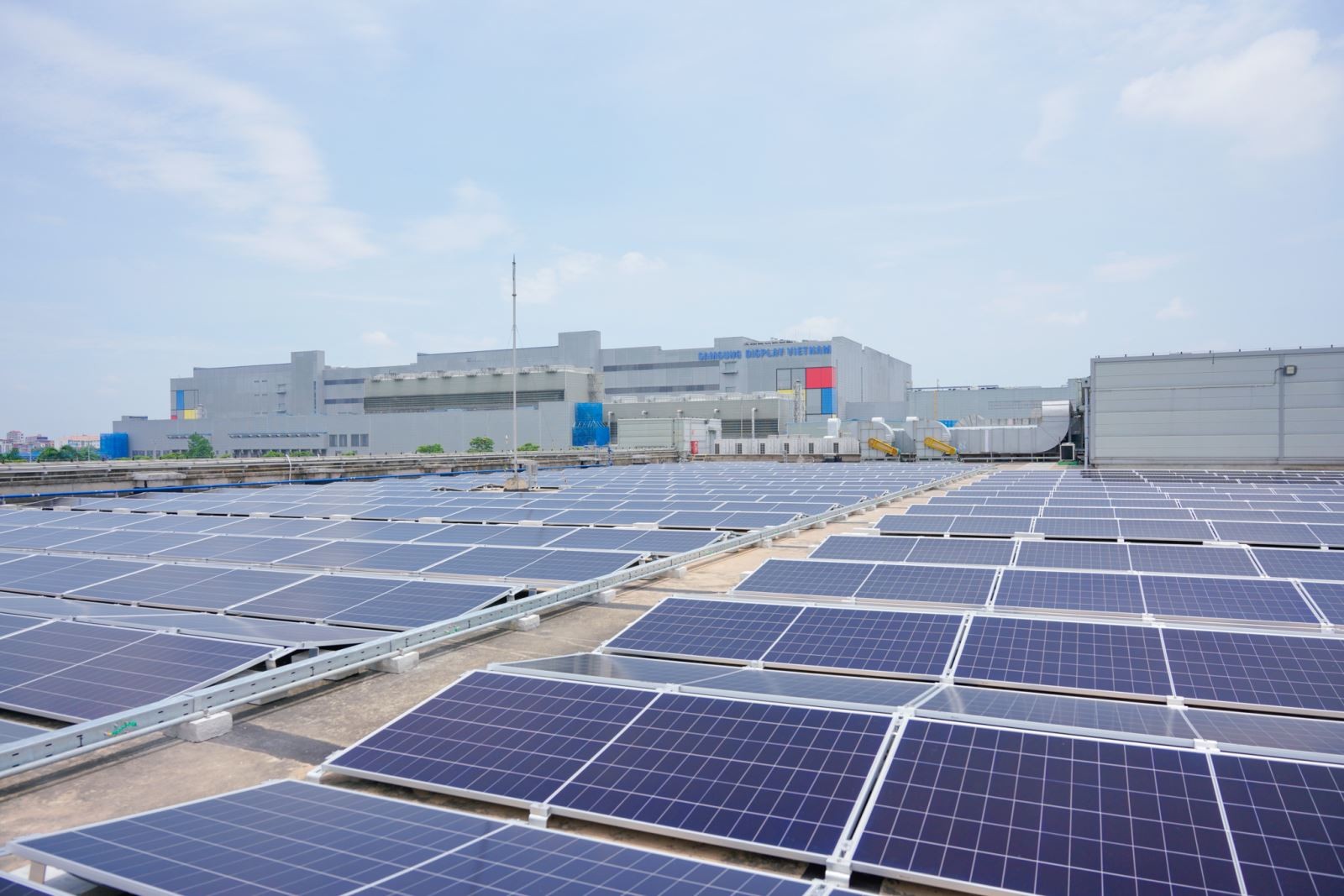
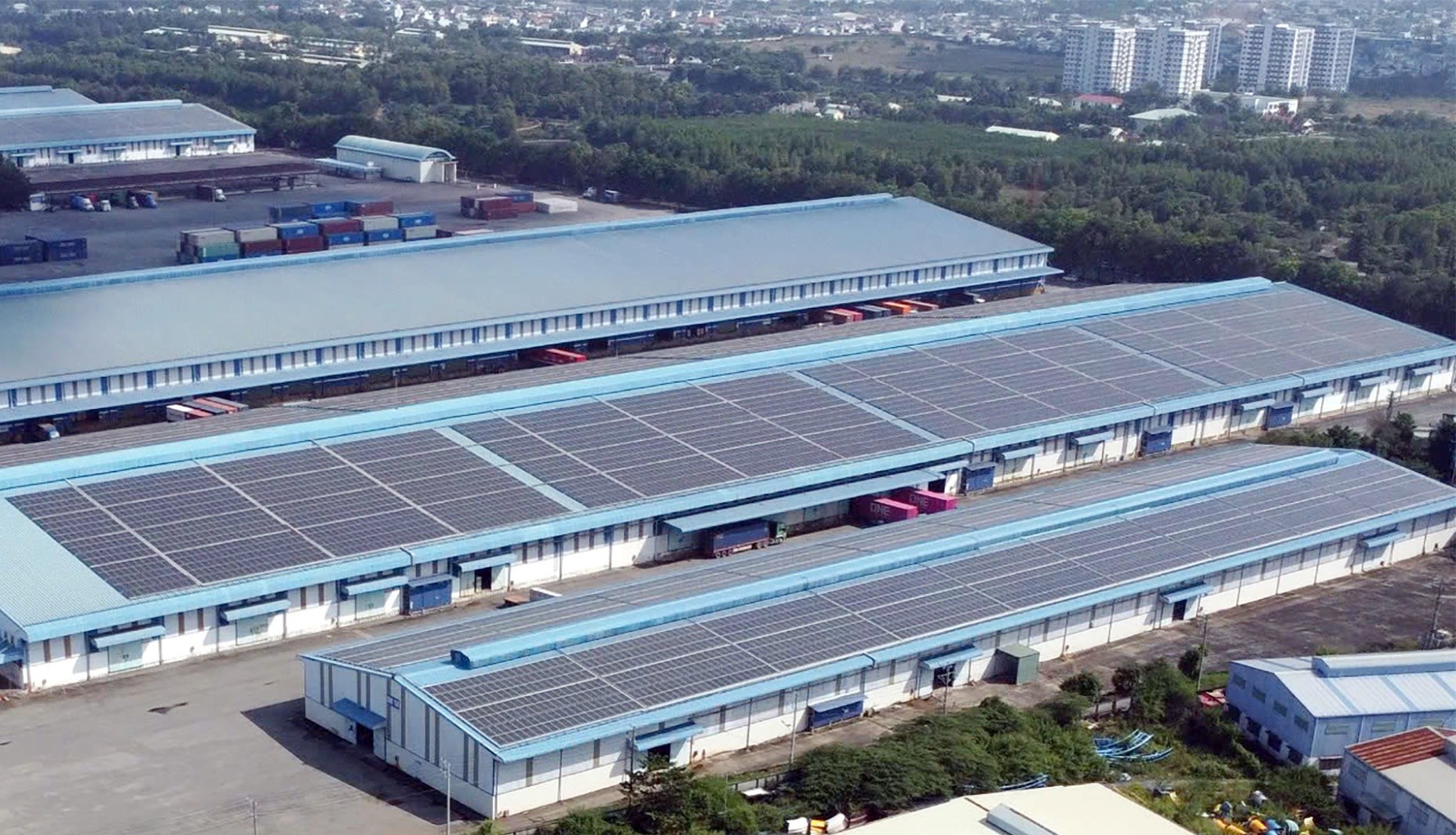
Southern Vietnam (Dong Nai): Amata Bien Hoa Industrial Park stands out as a frontrunner, achieving 87% compliance with the International Framework for Eco-Industrial Parks. The park has optimized approximately 108,000 m² of rooftop area across 14 factories to install 18 MWp of rooftop solar capacity, reducing an estimated 13,000 tons of CO₂ emissions annually.
 |
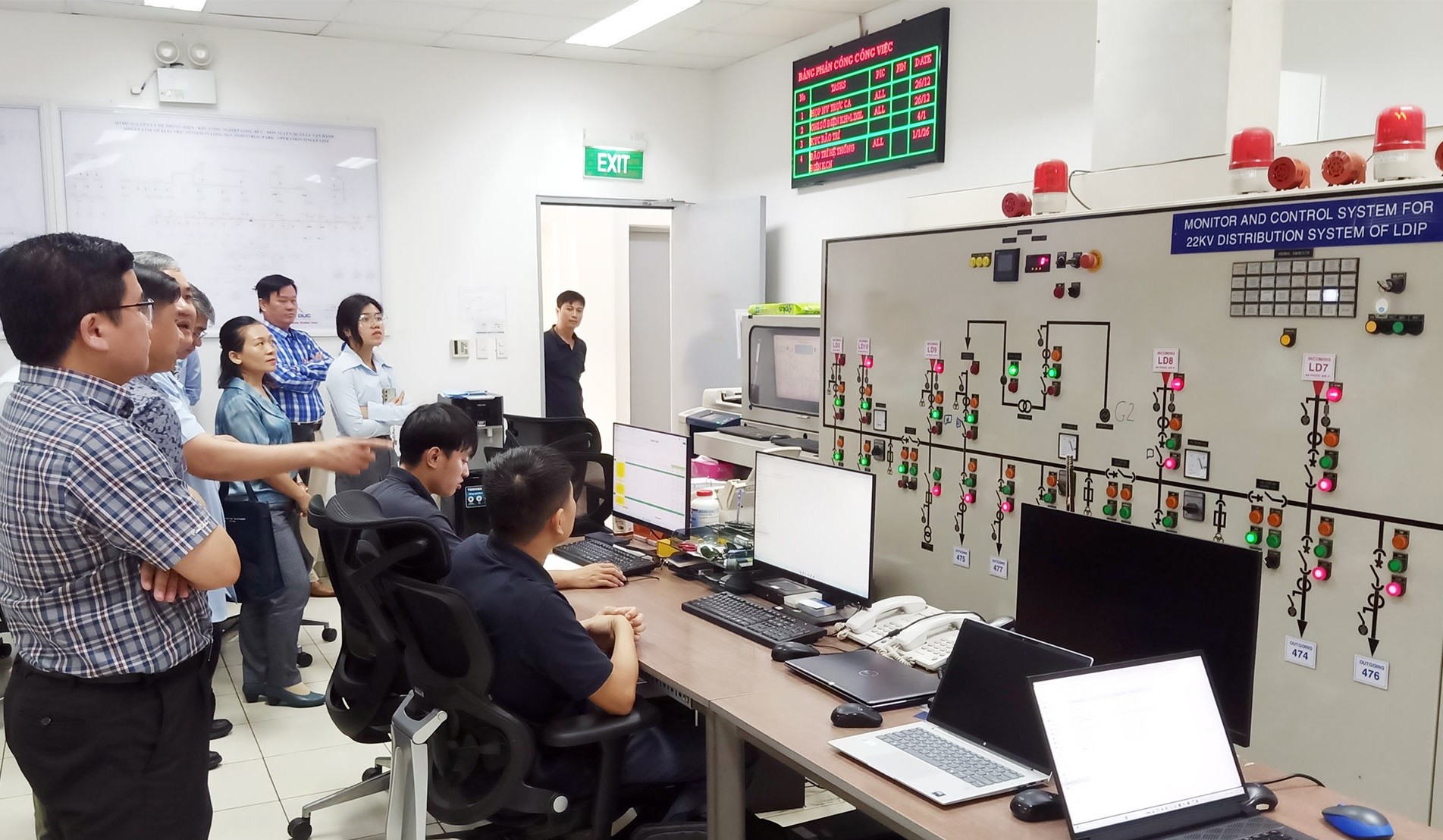
Meanwhile, Long Duc Industrial Park has around 10 MW of rooftop solar already in operation. However, the park management currently caps solar penetration at 20% of total installed capacity to ensure the stability and safety of the internal power grid.
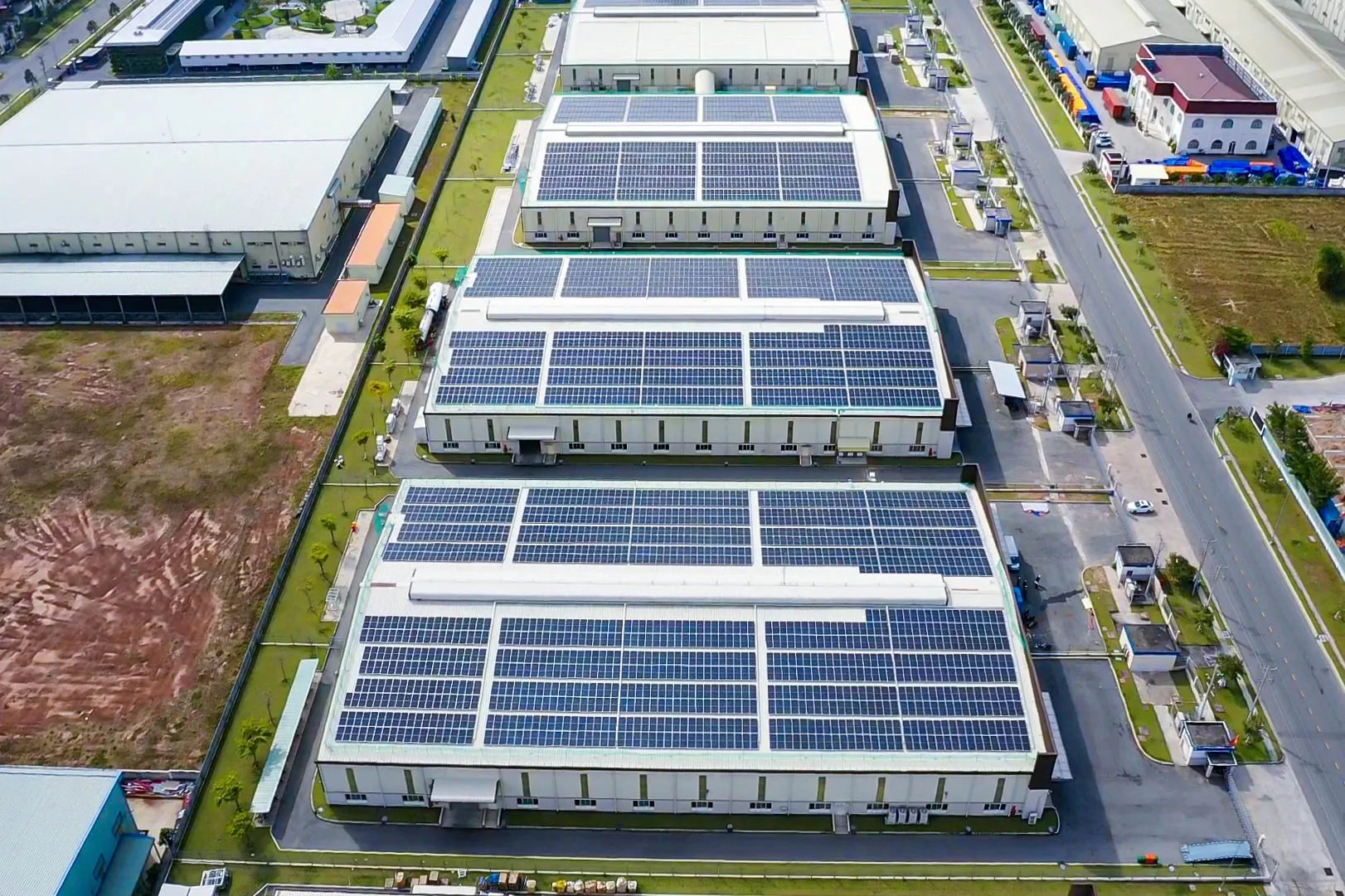
Northern Vietnam (Bac Ninh): In contrast, rooftop solar development in the north has been more modest. At VSIP and Kinh Bac Industrial Parks, the proportion of factories equipped with rooftop solar remains below 10%. This is largely attributed to less favorable solar irradiation during the winter months, resulting in lower overall system efficiency compared to the south. Additionally, enterprises in Que Vo Industrial Park continue to face difficulties in obtaining project approvals from local authorities due to unclear and inconsistent regulatory guidance.
 |
2. Battery Energy Storage Systems (BESS)
Industrial park developers widely recognize BESS as a critical solution for mitigating voltage fluctuations and enabling peak shaving. However, the primary barrier remains the high upfront investment cost, which makes the economic case for BESS unattractive without access to concessional financing or incentive mechanisms.
At present, most surveyed industrial parks have not deployed BESS at scale, instead remaining at the feasibility study or post-2025 planning stage. Notably, Long Duc Industrial Park has expressed a strong interest in BESS solutions to store electricity during off-peak hours and discharge during peak demand periods, thereby ensuring a stable and high-quality power supply for Japanese tenants operating precision-sensitive equipment.
 |
3. The "bottleneck" in construction technology and standards:
A significant technical challenge identified, particularly at Long Thanh (Amata) Industrial Park, relates to changes in construction standards. The updated Vietnamese standard on structural loads (TCVN 2737:2023) introduces substantial revisions to wind load calculations compared to the 1993 standard.
Existing factory buildings designed under the 1993 standard are generally unable to accommodate the additional rooftop load of solar PV systems (averaging 15–16 kg/m²) without reinforcing steel structures. Retrofitting operational factories is extremely challenging and often only feasible when facilities are vacant or when tenants are replaced, significantly slowing the decarbonization of existing industrial infrastructure.
4. Legal Barriers and Energy Management Models
The survey also highlights regulatory fragmentation as one of the most significant deterrents for both industrial park developers and tenants. Although Decree No. 57/2025 on Direct Power Purchase Agreements (DPPA) has been issued, industrial parks remain uncertain about implementation due to the absence of detailed guidelines governing internal electricity trading among enterprises within the same park.
Another unresolved issue concerns rooftop ownership. In most industrial parks, rooftops are owned by tenants under 50-year land lease terms. In cases where a tenant goes bankrupt while a third-party energy service company (ESCO) has invested in rooftop solar systems, asset ownership and power purchase agreements become legally complex and difficult to resolve.
Furthermore, fire safety regulations and environmental permitting requirements stipulate that rooftop solar installations, which alter roof functionality, must undergo renewed fire safety appraisal. This process is time-consuming and costly, further discouraging deployment.
5. Environmental Risks during Operation
An often-overlooked issue raised by Long Duc Industrial Park is wastewater management during solar panel cleaning. Panel cleaning typically involves detergents or chemicals, while rooftop drainage systems are usually connected directly to stormwater networks rather than industrial wastewater treatment systems. This poses a serious risk of environmental violations if chemical residues contaminate surface water sources.
In addition, Vietnam currently lacks national standards for the disposal and recycling of end-of-life solar panels, creating uncertainty over long-term environmental responsibility and liability for infrastructure developers.
Conclusions and Policy Recommendations
The survey across the four industrial parks confirms strong demand for green energy solutions to meet international compliance requirements. To accelerate progress, coordinated and systemic solutions are required:
-
Policy: Prompt issuance of detailed DPPA implementation guidelines for industrial parks, along with simplified permitting procedures for self-consumption rooftop solar projects.
-
Finance: Government facilitation of access to green finance instruments, including green bonds and concessional funding, to support investment in BESS and structural reinforcement of existing factories.
-
Governance: Promotion of a “single-point-of-contact” energy management model within industrial parks, such as microgrids, to ensure fair access to clean electricity and safe grid operation.
Greening industrial parks is not merely about installing solar panels; it is a complex systems challenge that requires balancing technical risks, economic feasibility, and regulatory transparency. If these bottlenecks are effectively addressed, green energy could become a powerful new magnet for high-quality foreign direct investment into Vietnam./.