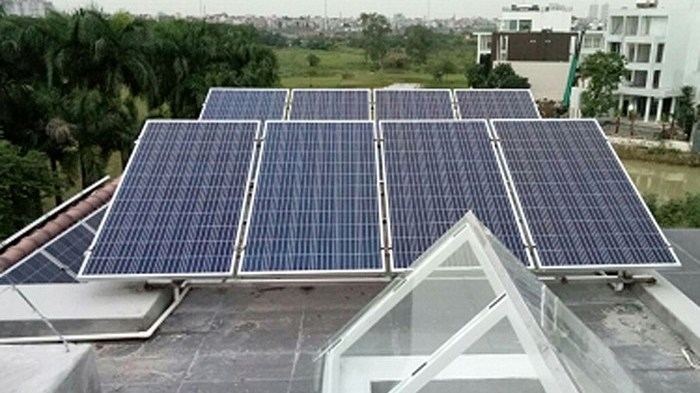



Vietnam issues Directive No. 10 to accelerate rooftop solar and strengthen electricity conservation
10:07 | 02/04/2026
Rising pressure on energy supply
The year 2026 marks the beginning of Vietnam’s new five-year socio-economic development plan (2026–2030), which targets double-digit economic growth. This creates significant pressure on ensuring sufficient electricity supply, particularly from baseload and domestic clean energy sources. Meanwhile, global energy markets remain volatile and unpredictable, posing risks to national energy security. Without timely and effective measures, Vietnam could face supply-demand imbalances, especially during the 2026–2028 period.
Key role of demand-side management and rooftop solar
To address these challenges, the Directive emphasizes the urgent and coordinated implementation of electricity demand management and energy efficiency measures nationwide. These solutions are expected to:
-
Reduce peak load demand
-
Improve system operation efficiency
-
Lower the need for new power generation investments
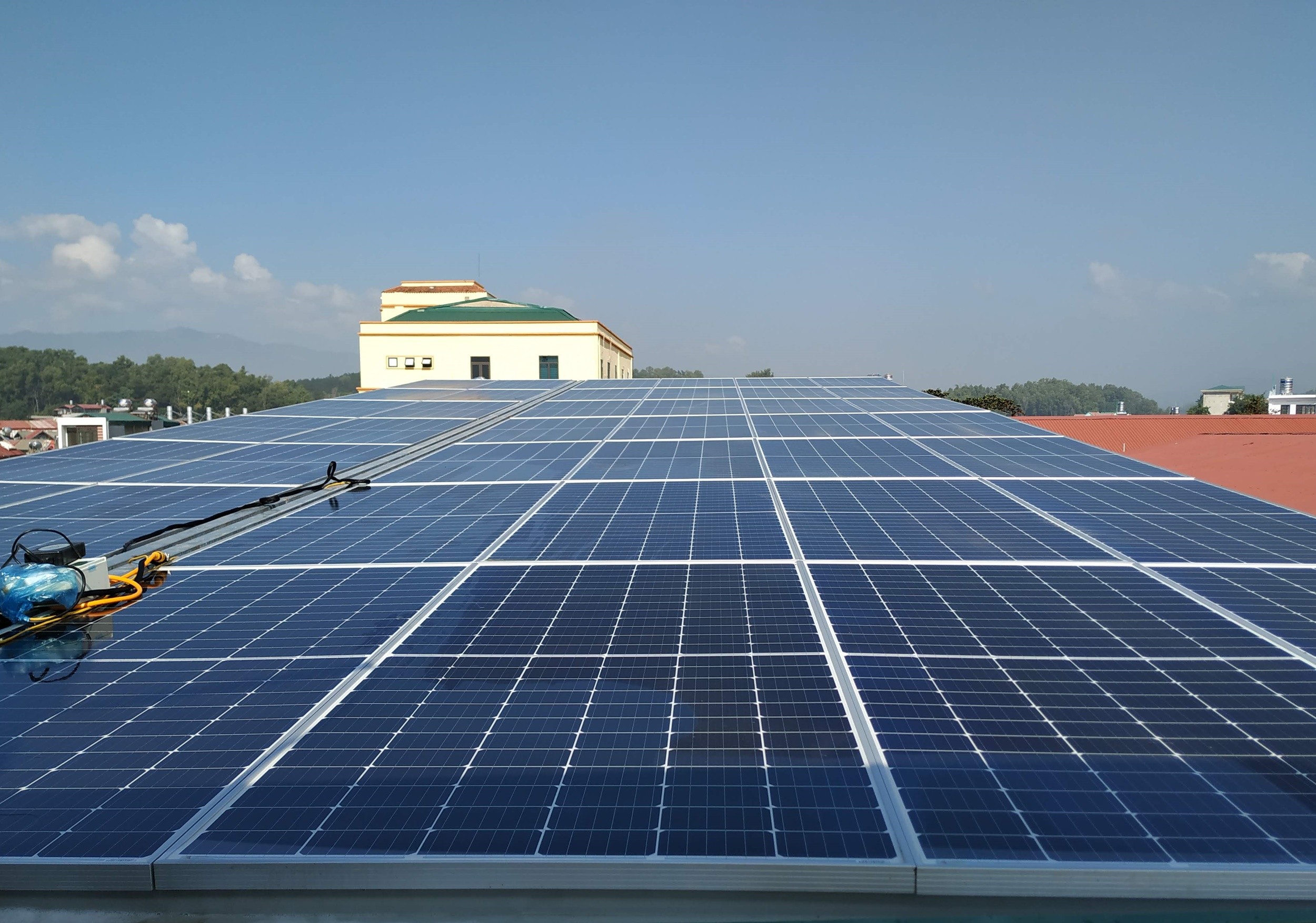
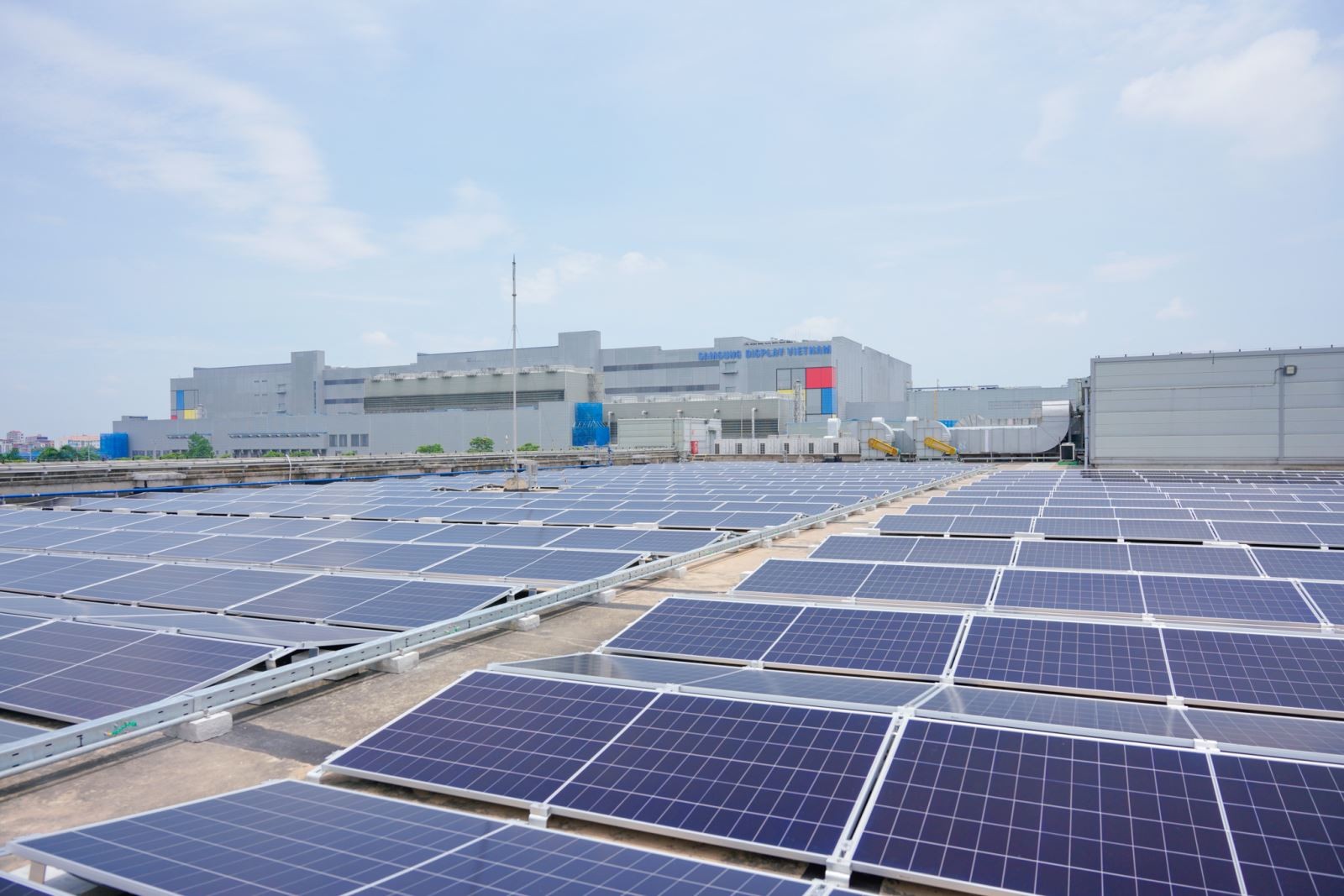
At the same time, the development of self-consumption rooftop solar systems, particularly when integrated with battery energy storage systems (BESS), will:
-
Provide on-site power supply
-
Enhance system flexibility
-
Strengthen national energy security
Major targets and measures for 2026
Vietnam Issues Directive No. 10 to Accelerate Rooftop Solar and Strengthen Electricity Conservation
Prime Minister Pham Minh Chinh has signed Directive No. 10/CT-TTg dated March 30, 2026, on strengthening electricity savings and promoting the development of rooftop solar power across Vietnam. The Directive sets out key targets for the 2026–2030 period, including achieving at least 10% adoption of rooftop solar systems among public offices and households nationwide, alongside the introduction of state budget support policies for this energy source. For 2026 alone, the Government aims to reduce total national electricity consumption by a minimum of 3%, and at least 10% during peak summer months (April–July).
Rising pressure on energy supply
The year 2026 marks the beginning of Vietnam’s new five-year socio-economic development plan (2026–2030), which targets double-digit economic growth. This creates significant pressure on ensuring sufficient electricity supply, particularly from baseload and domestic clean energy sources.
Meanwhile, global energy markets remain volatile and unpredictable, posing risks to national energy security. Without timely and effective measures, Vietnam could face supply-demand imbalances, especially during the 2026–2028 period.
Key role of demand-side management and rooftop solar
To address these challenges, the Directive emphasizes the urgent and coordinated implementation of electricity demand management and energy efficiency measures nationwide. These solutions are expected to:
-
Reduce peak load demand
-
Improve system operation efficiency
-
Lower the need for new power generation investments
At the same time, the development of self-consumption rooftop solar systems, particularly when integrated with battery energy storage systems (BESS), will:
-
Provide on-site power supply
-
Enhance system flexibility
-
Strengthen national energy security
Major targets and measures for 2026
The Directive outlines several concrete targets and actions:
-
Achieve at least 3% electricity savings nationwide in 2026, with 10% savings during peak months
-
Implement demand-side management (DSM) and demand response (DR) programs to reduce at least 3,000 MW of peak load capacity when needed
-
Promote widespread deployment of rooftop solar systems, prioritizing government offices, production facilities, commercial establishments, and households
-
Encourage integration of energy storage systems (BESS) to reduce peak demand and increase energy self-sufficiency
-
Mobilize on-site and backup power sources during potential shortages
-
Reduce transmission and distribution losses across the national grid to below 6%
Local authorities are required to proactively develop rooftop solar deployment plans aligned with their specific conditions.
Sector-specific energy-saving requirements
The Directive also introduces detailed requirements across sectors:
Public sector:
Government offices must implement electricity-saving plans, replace low-efficiency equipment, adopt digital energy management solutions, and assign accountability to leadership for compliance.
Public lighting and commercial lighting:
-
Reduce electricity consumption in public lighting systems by at least 30%
-
Turn off or cut decorative and advertising lighting, especially after 11 PM
-
Hotels, restaurants, and commercial buildings must reduce at least 50% of decorative lighting capacity during peak hours
Households:
Encouraged to install rooftop solar systems combined with energy storage, solar water heating, and other renewable energy solutions to reduce electricity costs.
Commercial and service sector:
Required to participate in DSM/DR programs and prioritize on-site renewable energy solutions.
Industrial sector:
-
Develop annual energy-saving plans integrated with production strategies
-
Shift operations away from peak hours
-
Prepare backup power solutions, including renewable energy and storage systems
-
Facilities consuming over 500,000 kWh/year must reduce electricity consumption by at least 3%
Institutional responsibilities and policy development
The Ministry of Industry and Trade (MOIT) will lead implementation, including:
-
Guiding and monitoring rooftop solar development
-
Proposing solutions to remove regulatory barriers
-
Developing measurement and verification frameworks for electricity savings
-
Promoting public awareness campaigns
The Ministry of Finance and the State Bank of Vietnam will coordinate to:
-
Develop financial mechanisms for DSM programs
-
Promote energy service companies (ESCOs)
-
Establish funding mechanisms and green credit schemes
-
Propose state budget support and credit solutions for rooftop solar and BESS deployment
Regulatory and technical improvements
The Directive also assigns responsibilities to:
-
The Ministry of Construction to develop standards for solar-ready buildings and safety regulations for rooftop solar and storage systems
-
The Ministry of Science and Technology to improve national energy efficiency standards, including plans to phase out incandescent lamps above 20W and increase minimum efficiency levels of electrical equipment
Role of local authorities and EVN
Provincial authorities must:
-
Develop and implement local energy-saving and rooftop solar plans
-
Assign specific targets to agencies and user groups
-
Promote public awareness and enforce compliance
-
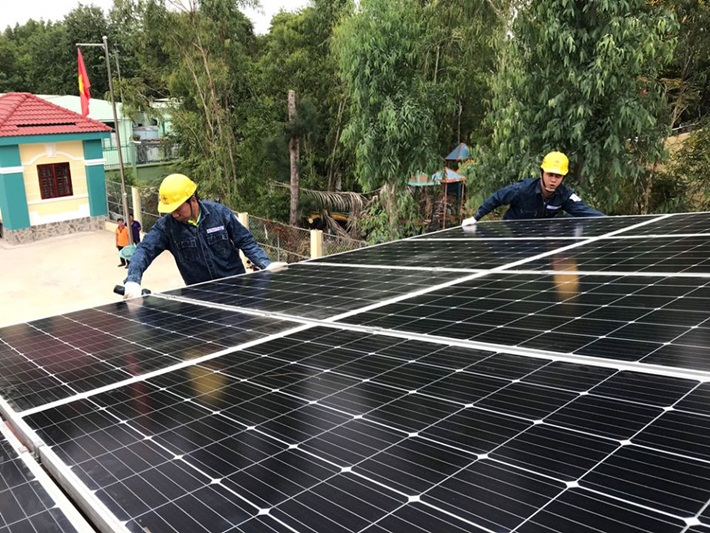
Support households and businesses in rooftop solar installation
Vietnam Electricity (EVN) is tasked with:
-
Implementing DSM and energy-saving programs
-
Upgrading and maintaining grid infrastructure
-
Reducing power losses
-
Supporting customers in installing rooftop solar and storage systems
Toward a secure and sustainable energy future
The Directive underscores Vietnam’s commitment to accelerating energy efficiency, expanding distributed renewable energy, and ensuring national energy security. It also highlights the importance of coordinated action across government agencies, businesses, and citizens to achieve these ambitious targets starting from 2026./.