


Implementing Rooftop Solar Power Development and the MOIT’s Action Plan
15:13 | 15/05/2026
Electricity Saving and Rooftop Solar Development Targets
According to the newly issued plan, the Ministry of Industry and Trade aims to achieve electricity savings of at least 3% of the nation’s total electricity consumption in 2026. In particular, during the peak hot-season months (from April to July), the electricity-saving target is set at a minimum of 10%.
To achieve these targets, the Ministry will simultaneously implement Demand Side Management (DSM), load shifting, and Demand Response (DR) programs. The specific target is to reduce at least 3,000 MW of load capacity during peak hours whenever the power system faces risks of supply-demand imbalance. In addition, Vietnam Electricity (EVN) is tasked with implementing technical and management solutions to reduce power losses across the entire system to below 6%.
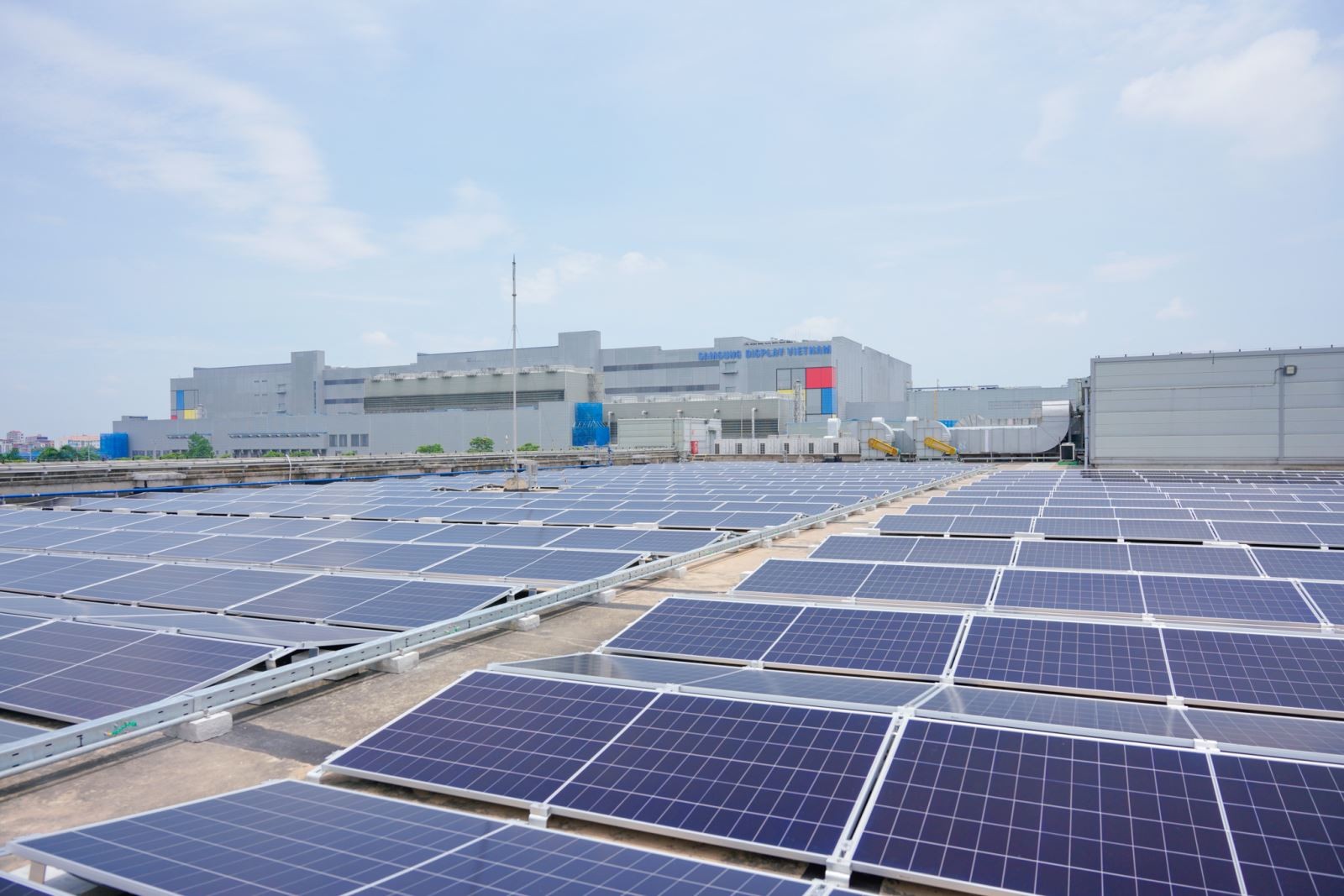
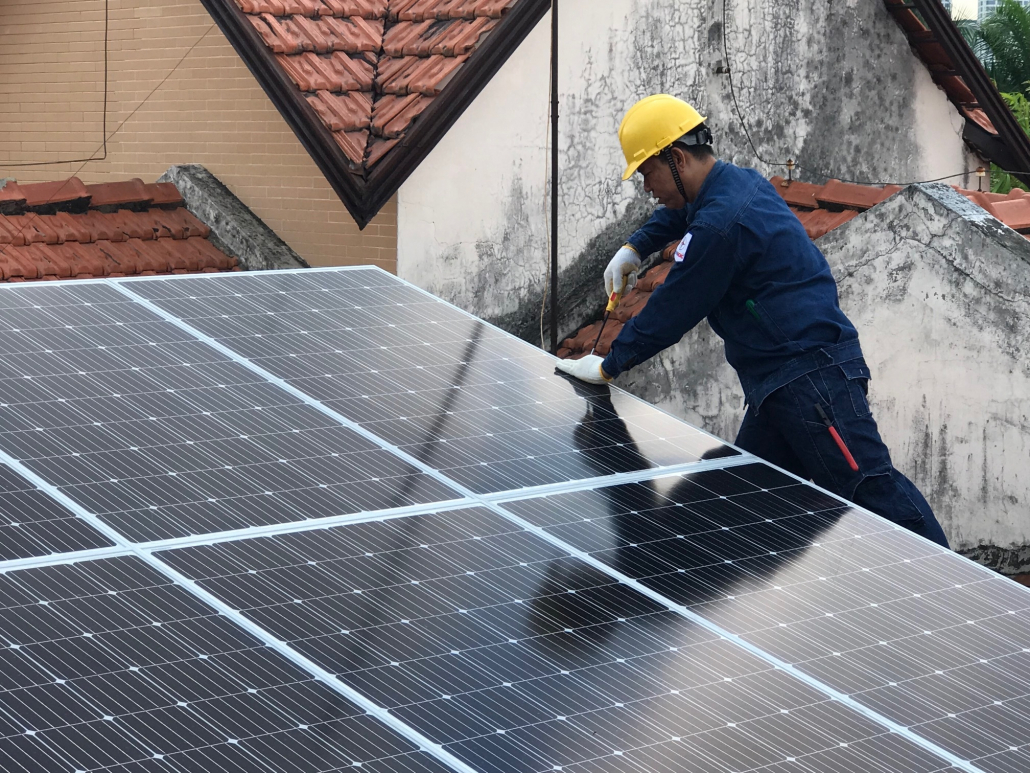
Regarding on-site energy development, the plan promotes rooftop solar systems under the self-generation and self-consumption model. Priority groups for installation include government offices, manufacturing and business facilities, and households. The Government also encourages the integration of Battery Energy Storage Systems (BESS) to reduce peak-hour demand and enhance energy self-sufficiency.
The annual target is for approximately 10% of government offices and 10% of households nationwide to use rooftop solar power, or to achieve 20% of the total installed capacity under local development plans for the 2026–2030 period.
Strict Electricity Usage Requirements for Government Agencies and Enterprises
The Ministry’s plan sets out specific requirements for different electricity-consuming groups:
1. Government Agencies and Public Offices
These entities must develop quarterly electricity-saving plans and strictly implement energy-saving measures during peak hours. Units are required to review and replace low-efficiency equipment while prioritizing the procurement of high-energy-efficiency labeled products.
Electricity-saving performance must also be included in annual performance evaluations and employee reward assessments.
2. Public Lighting and Advertising
A minimum reduction of 30% in total electricity consumption is required. Outdoor advertising and decorative lighting systems must switch off or reduce their capacity by at least 50% during evening peak hours upon request from power utilities.
3. Manufacturing Enterprises
Key energy-consuming facilities must integrate electricity-saving targets into their production plans. Facilities consuming 500,000 kWh per year or more are required to reduce at least 3% of electricity consumption per unit of product, or 3% of total annual electricity consumption.
Enterprises are encouraged to proactively arrange production shifts to avoid peak hours and be prepared to mobilize backup power sources when the national power system faces shortages.
Improving Mechanisms, Policies, and Supervision
The Ministry of Industry and Trade will coordinate with other ministries and agencies to propose mechanisms that promote efficient electricity use.
1. Finance and Credit Policies
The Ministry will work with the Ministry of Finance and the State Bank of Vietnam to study support policies for households installing rooftop solar systems and BESS solutions. It will also propose mechanisms allowing EVN to account for DSM implementation costs in electricity pricing and study the establishment of an Energy Efficiency Fund.
2. Technical Standards
The Ministry of Science and Technology is tasked with reviewing and increasing minimum energy performance standards for equipment by an additional 5%, developing a roadmap to phase out incandescent light bulbs of 20W or more, and upgrading electric motor standards to IE2–IE3 levels.
Meanwhile, the Ministry of Construction will issue regulations for “solar-ready” buildings.
3. State Management
The Ministry of Industry and Trade will develop guidelines for transparent measurement and verification of electricity savings and establish a regulatory sandbox mechanism for energy-saving projects.
Implementation Organization
1. The Minister of Industry and Trade assigns Deputy Ministers according to their areas of responsibility to closely monitor and direct relevant functional units in implementing the action plan’s objectives and solutions. They are also required to strengthen coordination with ministries, local authorities, business associations, and related entities to ensure fulfillment of tasks assigned by the Prime Minister, and will be accountable to the Minister for implementation results.
2. Heads of agencies and units under the Ministry are responsible for implementing assigned tasks and activities in accordance with the annex attached to the Decision, ensuring quality and timely execution. They must also proactively propose management solutions within their areas and promptly report issues beyond their authority to the Ministry’s leadership for submission to the Government or Prime Minister.
3. Relevant units must regularly monitor, inspect, and supervise implementation progress and results. Every six months, reports must be submitted to the Electricity Authority before June 15 and December 1 each year for consolidation and reporting to the Ministry’s leadership and the Prime Minister on the implementation results of the Directive.
4. Agencies and units are required to closely coordinate with related organizations in proposing and implementing sector-specific management measures and promptly report arising issues during implementation.
5. Units must proactively implement tasks assigned by the Prime Minister under Directive No. 10/CT-TTg and coordinate with ministries, local authorities, and relevant agencies according to their assigned functions and responsibilities.
6. Enterprises operating in sectors under the Ministry’s management are instructed to proactively develop their own action plans aligned with the Ministry’s Action Plan to realize the proposed targets and contribute to ensuring national energy security.
Coming up: How can Vietnam achieve the target of having 10% of households install rooftop solar systems every year?