


Overview of the Scientific Workshop "Developing Nuclear Power for Green Growth and National Energy Security"
14:47 | 25/09/2026
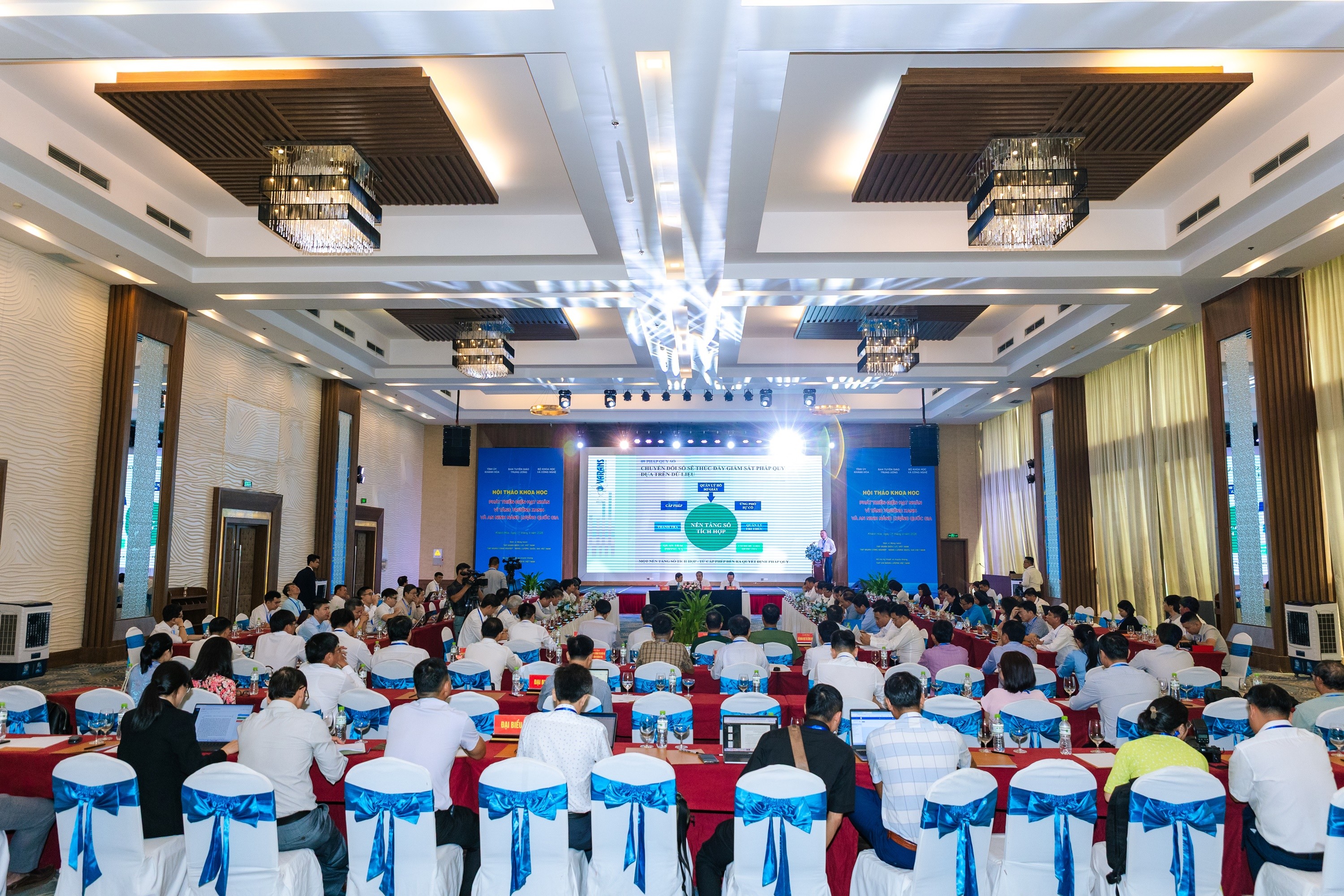 |
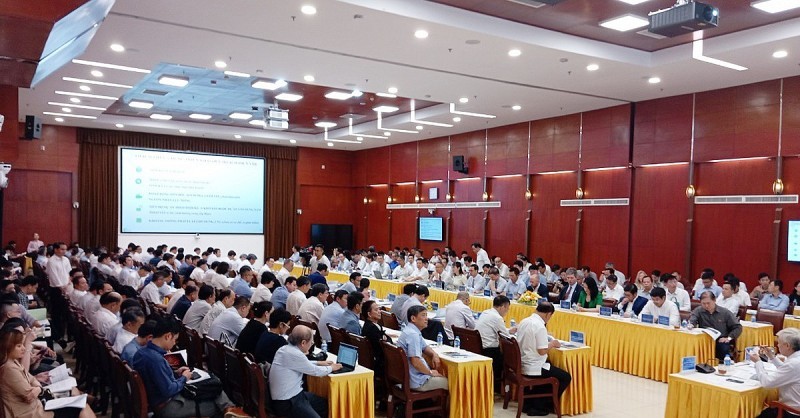
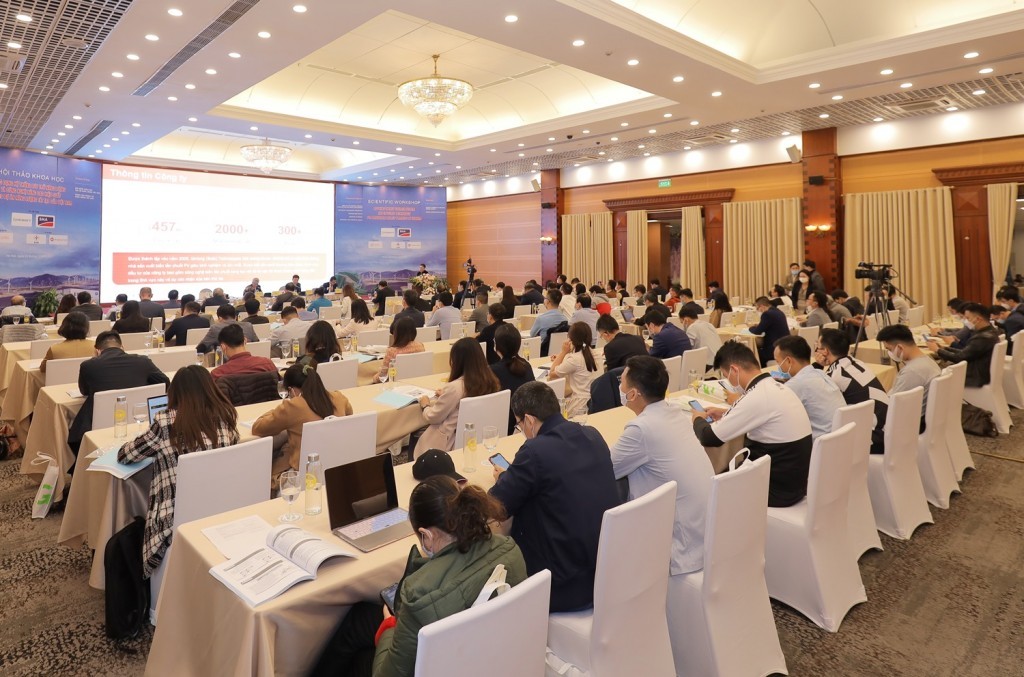
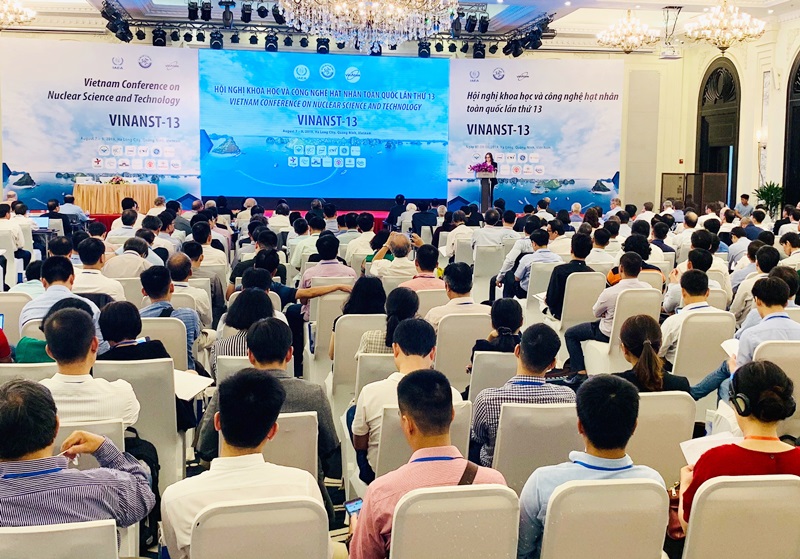
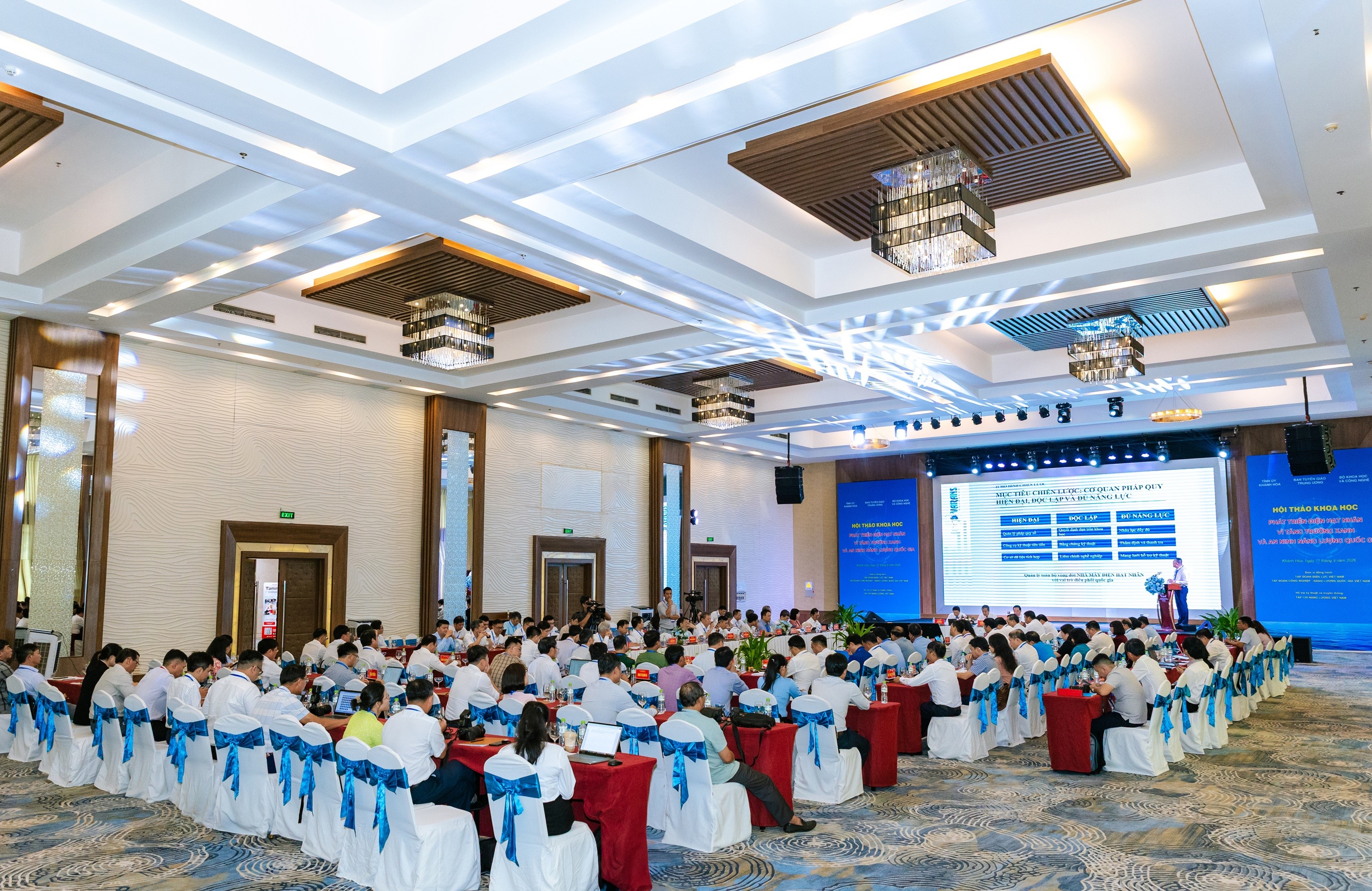
| Overview of the national scientific workshop on “Developing Nuclear Power for Green Growth and National Energy Security". |
Vietnam Electricity (EVN), Vietnam National Industry - Energy Group (Petrovietnam), and Military Industry - Telecommunications Group (Viettel) supported the workshop, with Vietnam Energy Review providing technical and communications support.
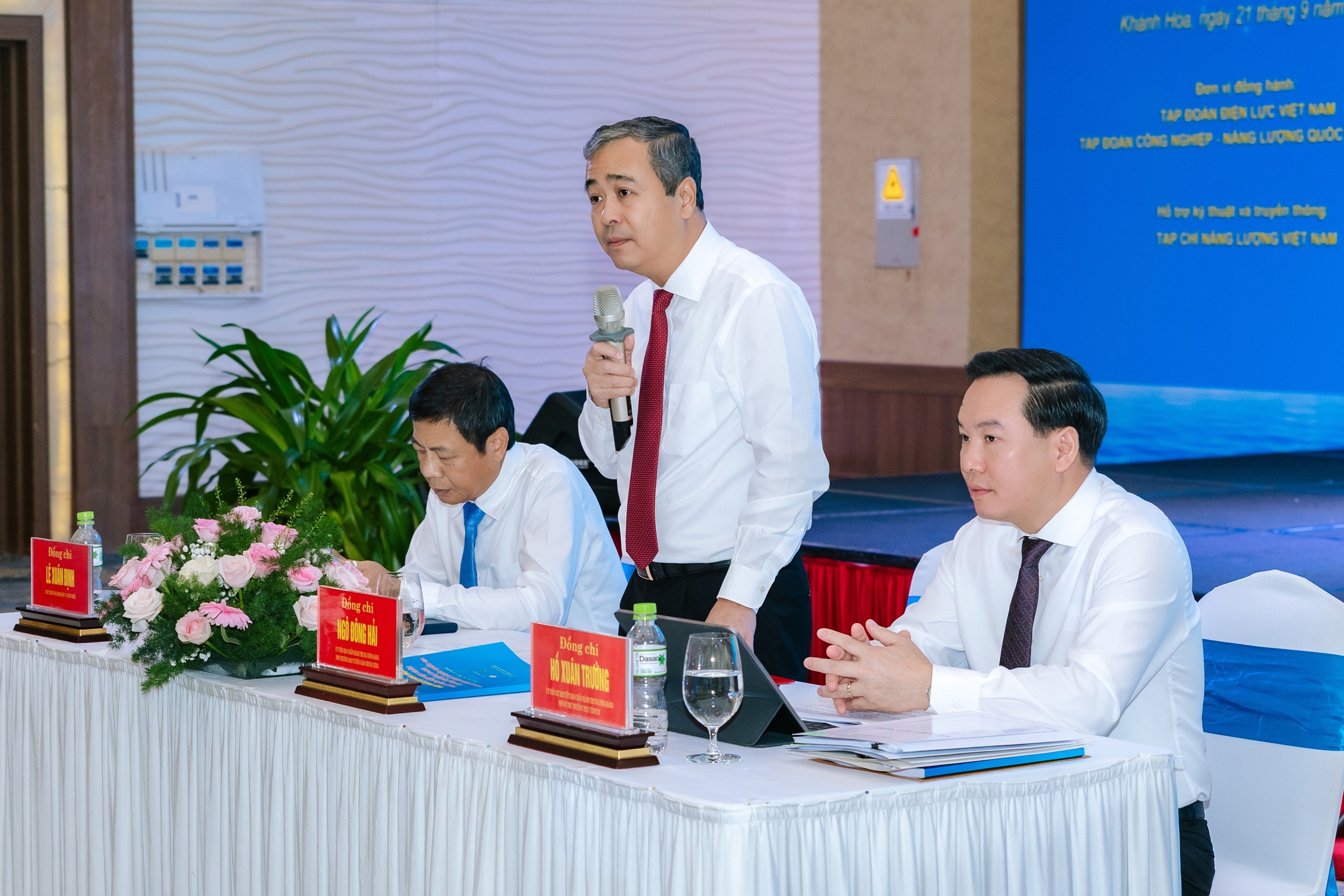 |
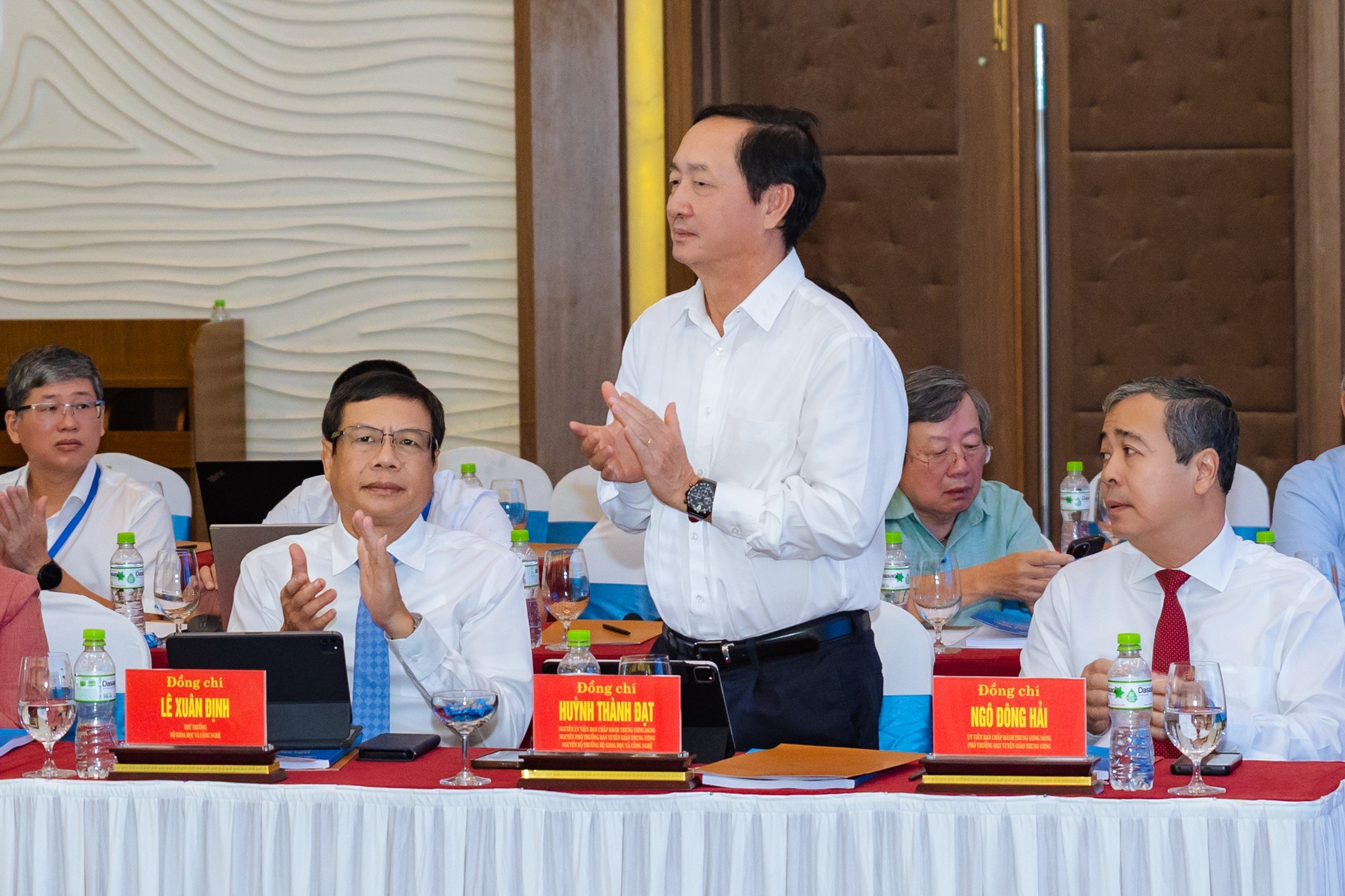
| The Workshop was co-chaired by Ngô Đông Hải, Member of the Party Central Committee and Deputy Head of the Central Propaganda and Education Commission; Le Xuan Dinh, Deputy Minister of Science and Technology; and Ho Xuan Truong, Alternate Member of the Party Central Committee and Standing Deputy Secretary of the Khanh Hoa Provincial Party Committee. |
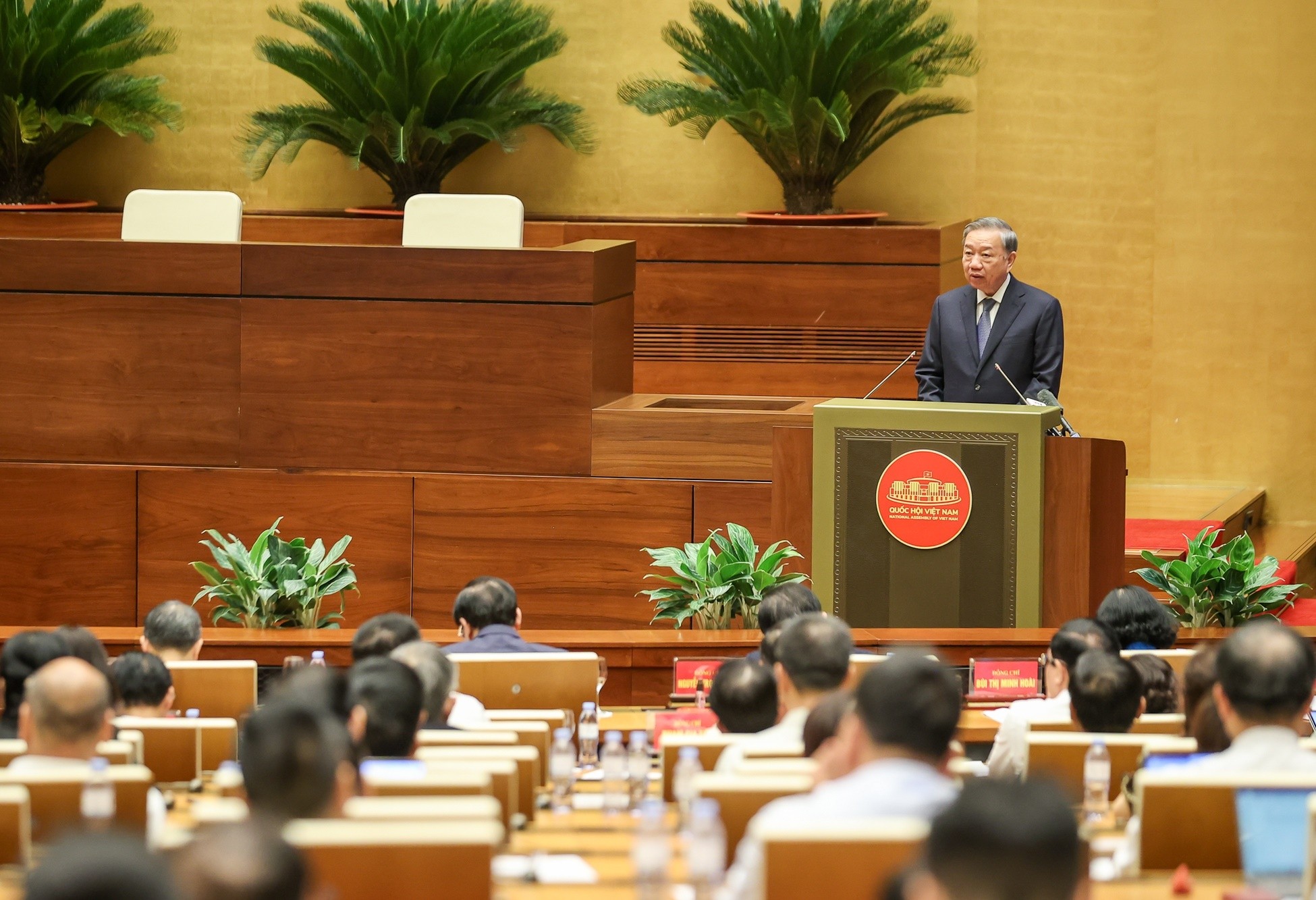
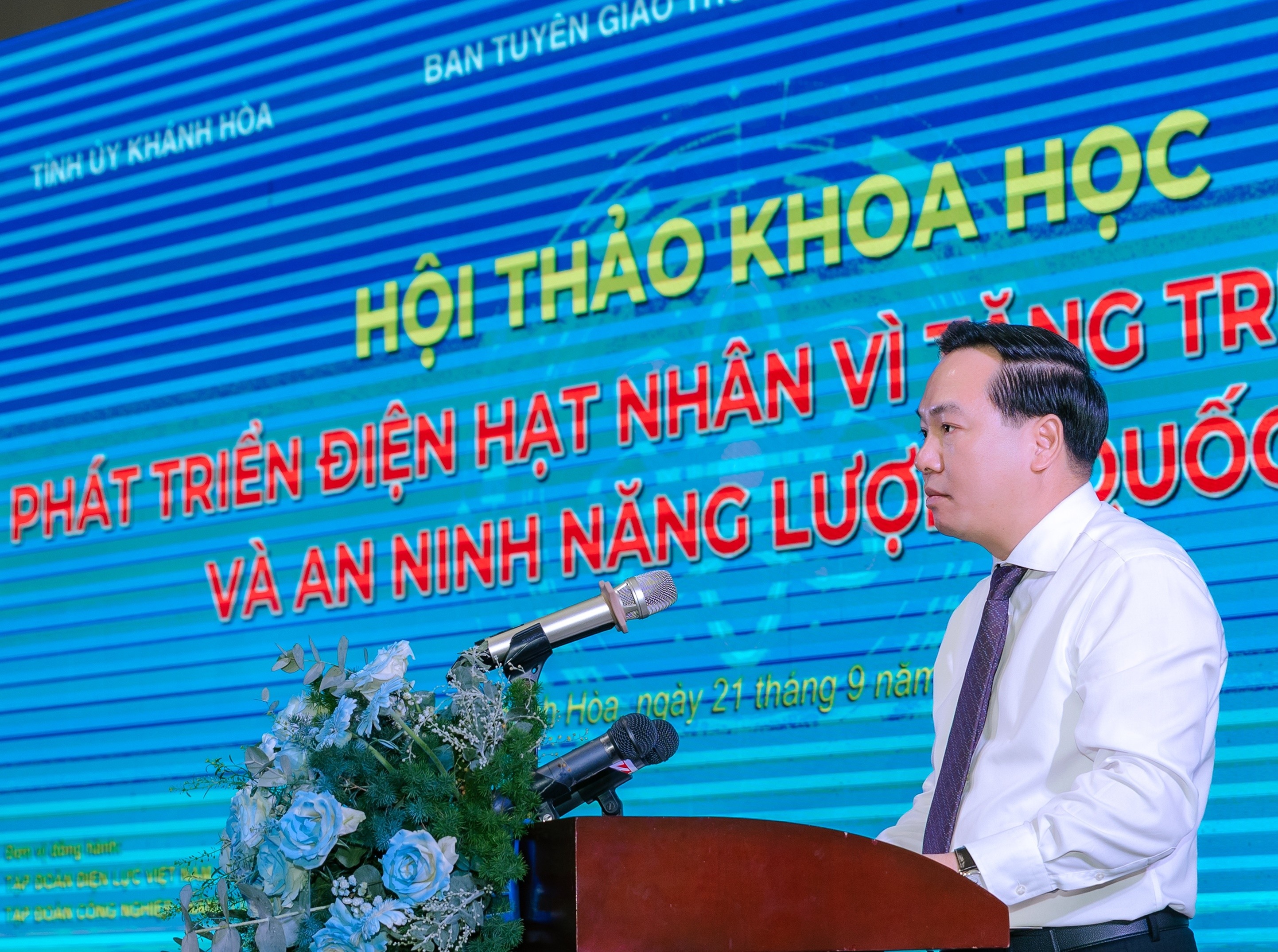
After the statement of purpose and delegate introductions, the Workshop heard a welcome address by Ho Xuan Truong, Standing Deputy Secretary of the Khanh Hoa Provincial Party Committee, followed by opening and keynote remarks by Le Xuan Dinh, Deputy Minister of Science and Technology.
 |
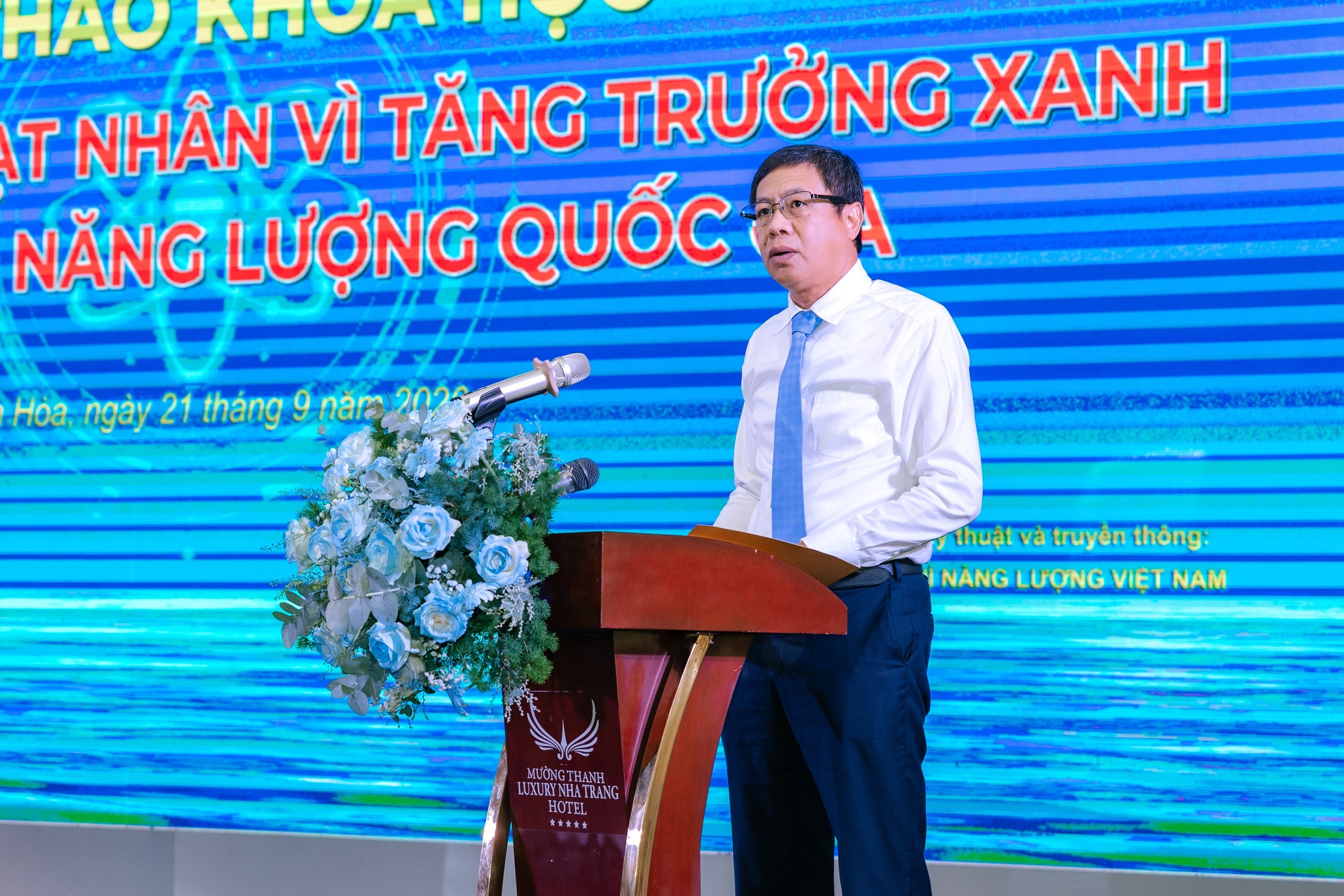 |
| Le Xuan Dinh, Deputy Minister of Science and Technology. |
I. PURPOSE OF THE WORKSHOP:
The Workshop was held as Viet Nam entered a new stage of development, marked by the need for rapid and sustainable growth, accelerated industrialization and modernization, digital transformation, and a comprehensive energy transition. Electricity demand for production, digital infrastructure, urban development, transport, and people’s daily lives continues to grow rapidly. Against this backdrop, Viet Nam must pursue its commitment to achieving net-zero emissions by 2050 and reducing its dependence on fossil fuels, while safeguarding national energy security amid significant international uncertainties.
Within the overall national energy strategy, nuclear power is identified as an important solution closely linked to ensuring an adequate electricity supply for socio-economic development, strengthening self-reliance, promoting green growth, and reducing emissions.
Resolution No. 70-NQ/TW dated 20 August 2025 of the Politburo on ensuring national energy security through 2030, with a vision to 2045, identifies energy security as a fundamental basis and an important prerequisite for national development.
Resolution No. 57-NQ/TW emphasizes that science, technology, innovation, and digital transformation are core drivers of rapid and sustainable development.
Resolutions No. 174/2024/QH15 and No. 189/2025/QH15 of the National Assembly provide for the continued implementation of the investment policy for the Ninh Thuan Nuclear Power Project, together with specific mechanisms and policies.
The revised Power Development Plan VIII has officially reintroduced nuclear power into the country’s long-term power generation mix.
Against this backdrop, the Workshop focused on discussing and clarifying the scientific and practical basis for nuclear power's role, while identifying requirements for developing science and technology capacity, human resources, and information and communications work. The key objectives included:
1. Clarifying the role of nuclear power in the national energy system: Analyzing its ability to provide large-scale, stable, low-carbon electricity; clarifying its role in providing baseload capacity, ensuring power system security, and effectively complementing highly variable renewable energy sources.
2. Studying technology and international experience: Updating trends in advanced reactor technologies and small modular reactors (SMRs); drawing on international experience in developing nuclear power programs to inform the selection of technologies suitable for Viet Nam.
3. Building national capacity in science, technology, and human resources: Identifying requirements for training highly qualified experts and engineers; strengthening capabilities in research, management, design, manufacturing, construction, operation, and maintenance; and gradually developing a network of science and technology organizations and supporting industries.
4. Identifying social welfare policies and drivers of local development: Linking project implementation with protecting the legitimate rights and interests of local communities and improving the living standards of people in project areas; recognizing the Ninh Thuan Nuclear Power Project as an opportunity for integrated investment in infrastructure, human resources, services, and supporting industries, thereby creating new drivers of local growth.
5. Innovating information and communications efforts and building social consensus: Strengthening the provision of scientific, accurate, objective, and accessible information; and innovating press and communications approaches to shape public understanding and build broad social consensus around this nationally important project.
The Workshop received 19 carefully prepared papers from research institutes, universities, ministries, agencies, sectors, major economic groups, the armed forces, and localities, along with numerous in-depth, high-quality contributions to the discussion.
II. OVERVIEW OF THE KEYNOTE REMARKS AND CONFERENCE PAPERS:
Keynote remarks by Deputy Minister Le Xuan Dinh, Ministry of Science and Technology:
Deputy Minister of Science and Technology Le Xuan Dinh emphasized that climate change, the need to reduce emissions, and global geopolitical instability require countries to pursue three core objectives simultaneously: “Energy Security – Economic Growth – Clean Energy Transition.” Against this backdrop, many countries are reaffirming the strategic role of nuclear power. For Viet Nam, restarting the nuclear power program, including the Ninh Thuan 1 and Ninh Thuan 2 nuclear power projects, is a strategic decision reflecting a long-term vision to ensure energy security while promoting the development of science and technology, mechanical engineering, materials, automation, and digital technologies.
However, because nuclear power is a highly specialized field requiring advanced technology, substantial capital investment, and responsibility across the entire lifecycle, its development must be based on the principle that “Safety and security must remain paramount – safety must never be compromised for the sake of schedule or short-term economic interests.” Technology selection must be based on advanced, proven reactor designs; at the same time, project effectiveness must be assessed comprehensively over the full lifecycle, covering capital and operating costs, spent fuel management, radioactive waste management, and plant decommissioning.
Overview of Selected Papers:
1. Dr. Tran Quang Tuan, Deputy Director, Vietnam Agency for Radiation and Nuclear Safety (VARANS): “Strengthening State Management and Enhancing the Capacity of the Vietnam Agency for Radiation and Nuclear Safety to Support Viet Nam’s Nuclear Power Development Program”.
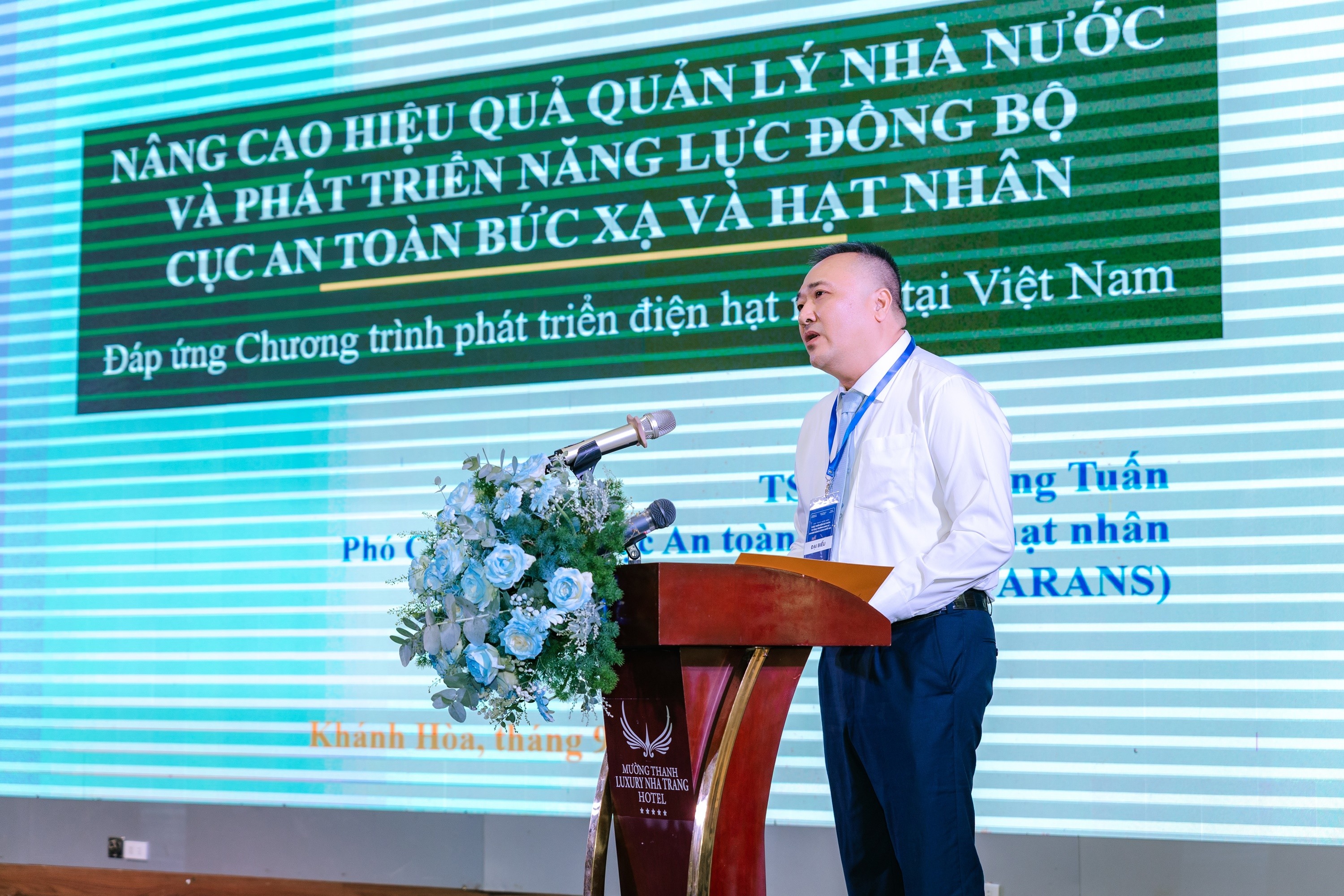 |
| Dr. Tran Quang Tuan, Deputy Director of the Vietnam Agency for Radiation and Nuclear Safety (VARANS). |
Key points:
Background and objectives: There is a need to strengthen regulatory capacity to ensure the highest standards of nuclear safety and security. By 2035, the objectives are to safely implement the two Ninh Thuan nuclear power projects and at least one SMR project; strengthen VARANS capacity under Decision No. 624/QD-TTg; and build the capacity to handle 70% of the appraisal workload for nuclear power plants and 100% for new research reactors. By 2050, the vision includes adding approximately four large power reactors and 10–15 SMRs, contributing 10–15% per year to economic growth (Decision No. 438/QD-TTg).
Legal and regulatory framework and standards: Implement Law No. 94/2025/QH15 and the associated implementing regulations for 2026–2035; clearly establish a “Safety and Security Culture.” Promote the localization of the TCVN/QCVN standards system (20 TCVNs had been issued as of June 2026) and receive the Integrated Nuclear Infrastructure Review (INIR) report from the International Atomic Energy Agency (IAEA) in April 2026 as a basis for subsequent milestones.
Digital transformation and international cooperation: Build a digital regulatory platform integrating data on licensing, inspection, and incident monitoring; implement Project No. 119/QD-TTg on information and communications to build social consensus. Expand cooperation with major partners such as the IAEA, OECD/NEA, Rostechnadzor, TÜV SÜD, and the Republic of Korea.
Development orientation: Increase VARANS’s total workforce to 288 personnel by 2030 and 388 by 2035, following the “Modern – Independent – Capable” model. Focus on five priority areas: institutional development; standards and technical regulations; strengthening organizational capacity and data infrastructure; specialized human-resource training; and enhanced international cooperation.
2. M.Sc. Nguyen Van Duong, Institute of Energy (Ministry of Industry and Trade): “The Role of Nuclear Power in Ensuring Generation Capacity, Stability, and Safety of the National Power System”.
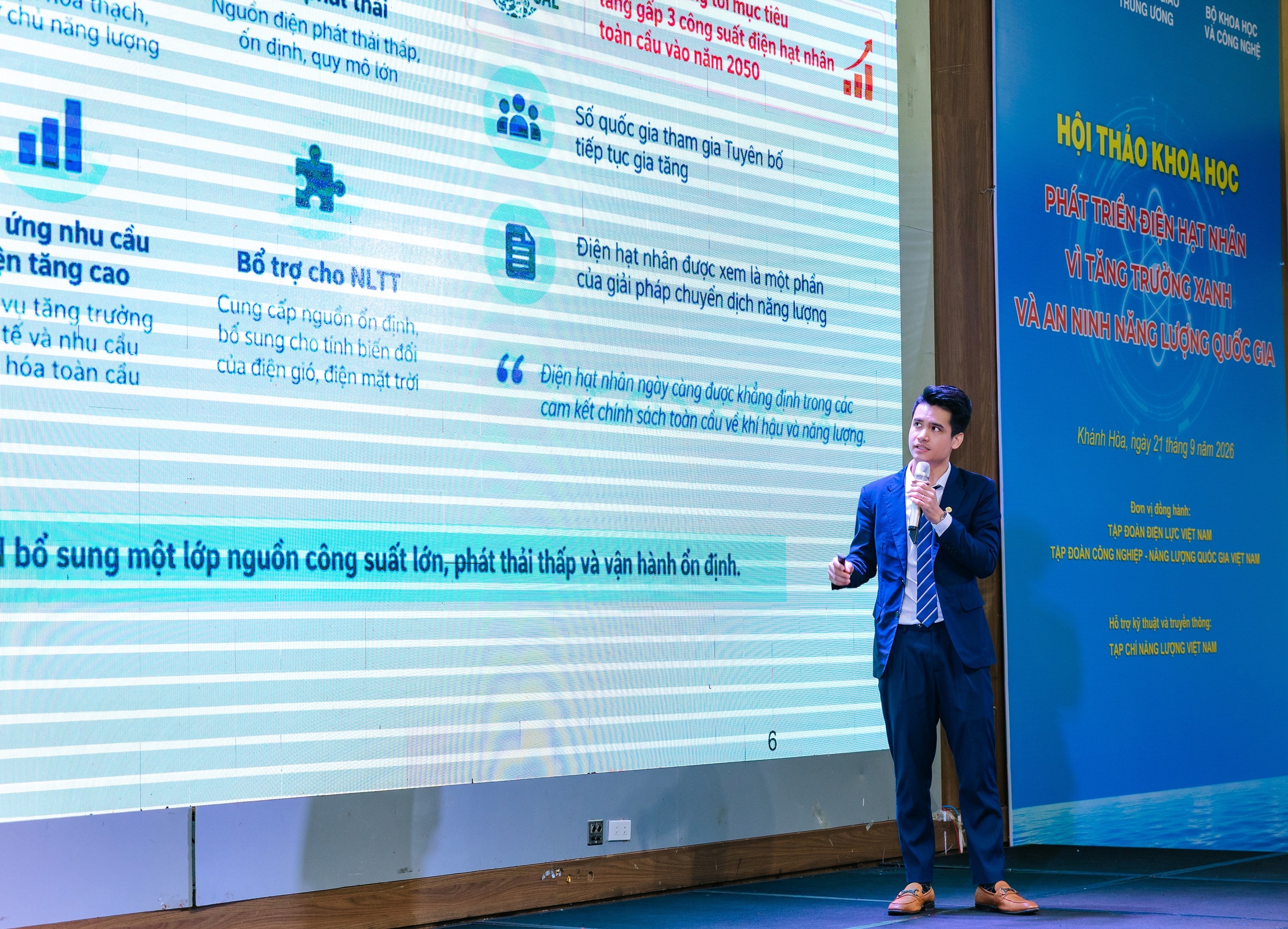 |
| M.Sc. Nguyen Van Duong, Institute of Energy, Ministry of Industry and Trade. |
Key points:
Generation Capacity and Energy Output: Nuclear power has a high capacity factor and high operational reliability, with the ability to operate continuously, providing stable baseload capacity and serving as an “anchor” supporting the rapid development of variable renewable energy sources such as wind and solar power.
System Technical Support: Nuclear power units use synchronous generators, which contribute rotational inertia, strengthen the grid, and maintain system voltage stability.
Technical Recommendation: Nuclear power should be considered as part of the overall power-system planning framework, together with integrated transmission infrastructure, battery energy storage systems (BESS), and flexible generation sources.
Accordingly, the Institute of Energy proposed four groups of tasks: (i) update grid connection planning studies; (ii) ensure coordinated progress between power plants and transmission grids; (iii) complete technical standards for grid connection and safe operation; and (iv) strengthen close coordination among regulatory authorities, system operators, and project owners.
3. Mr. Vu Ngoc Minh, Vietnam Electricity (EVN): “EVN’s Role and Responsibilities in Implementing the Ninh Thuan 1 Nuclear Power Project and Developing Energy Infrastructure to Support Local Socio-Economic Development”.
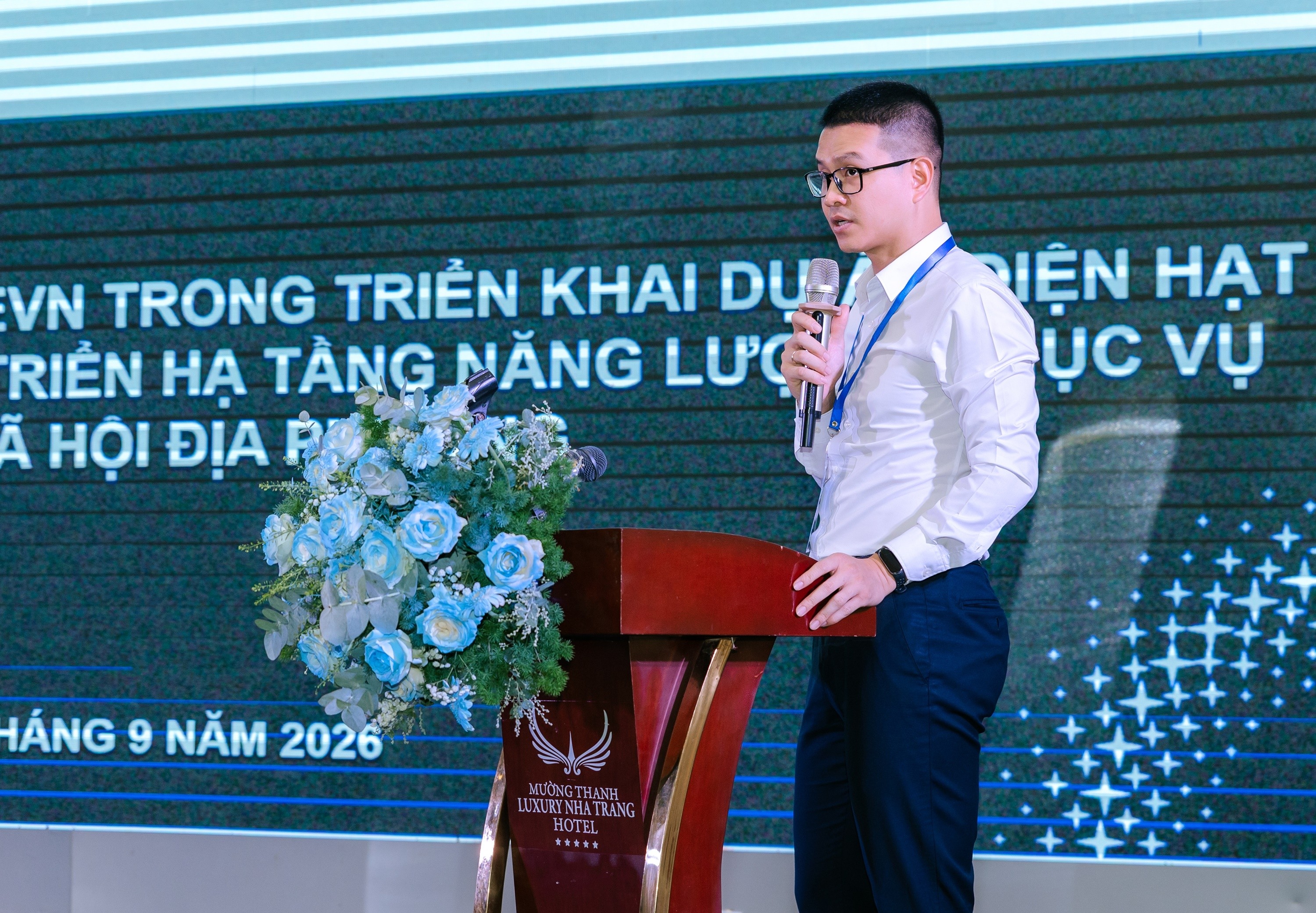 |
| Mr. Vu Ngoc Minh, Vietnam Electricity (EVN). |
Key points:
Leading role: EVN assumes comprehensive responsibility as the project investor throughout the entire project lifecycle, from project preparation and investment through construction, operation, and management.
Six core areas of responsibility: (1) Comprehensive project management; (2) ensuring the highest standards of nuclear safety and security; (3) human-resource development and knowledge management; (4) integrating plant safety into the national power system; (5) developing domestic industrial supply chains; and (6) strengthening transparent communications.
Spillover impacts: The project will not only provide a large source of electricity but also serve as a driver for upgrading transport infrastructure, power transmission infrastructure, technical services, and supporting industries in Khanh Hoa Province and the South Central region.
4. Mr. Trinh Minh Hoang, Vice Chairman of the Khanh Hoa Provincial People’s Committee: “Socio-Economic Development Opportunities for Khanh Hoa from the Implementation of a Nuclear Power Plant Project”.
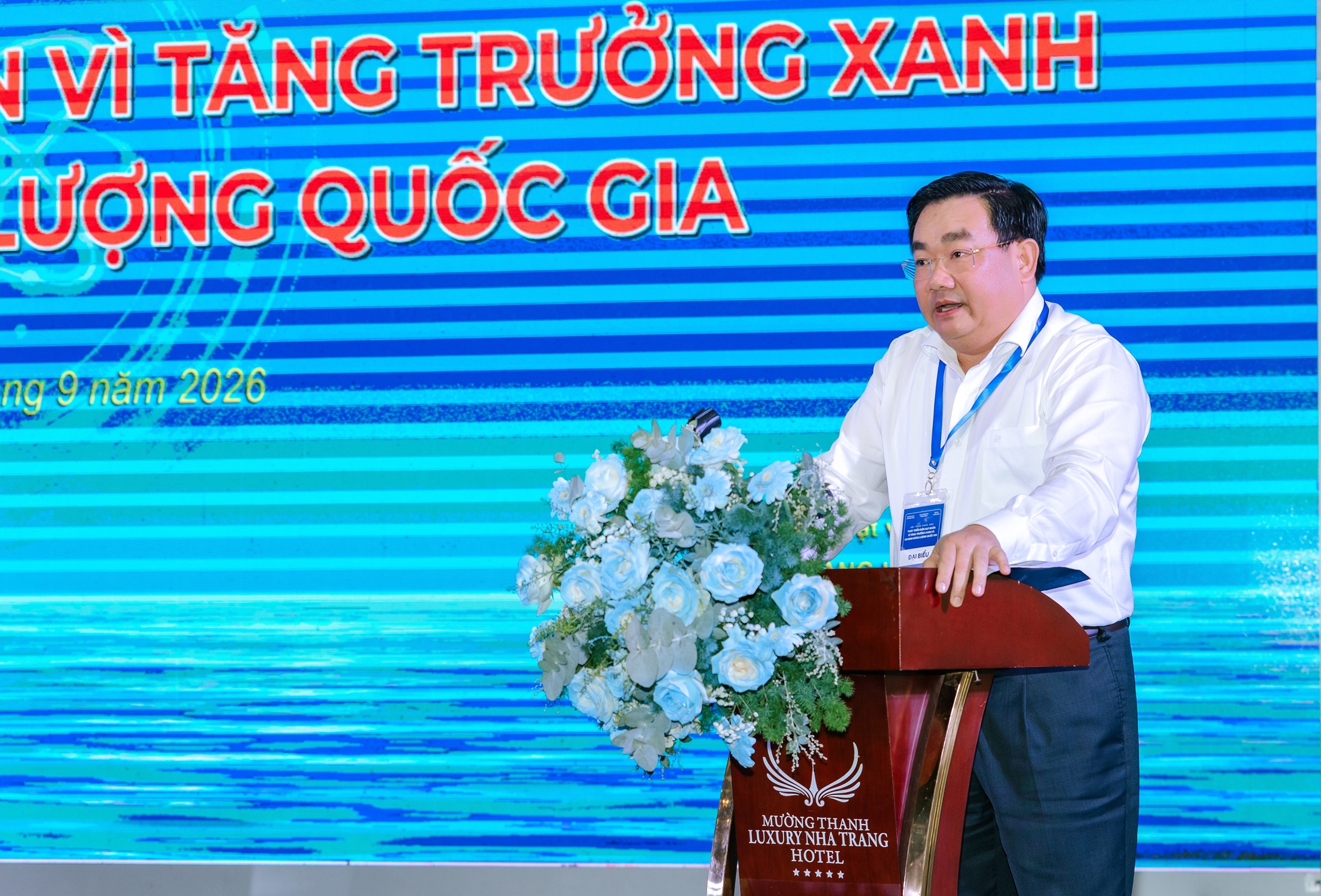 |
| Trinh Minh Hoang, Vice Chairman, Khanh Hoa Provincial People’s Committee. |
Key points:
Five breakthrough opportunities: (1) Establishing a new growth pole for energy, industry, and logistics in the southern part of the province; (2) positioning Khanh Hoa as a new national energy hub; (3) upgrading domestic industry; (4) driving breakthroughs in science and technology and the development of high-quality human resources; and (5) developing urban infrastructure and improving people’s living standards.
A new development mindset: Shifting from a “build-the-plant” mindset to one focused on “creating an integrated nuclear power development ecosystem,” comprising strategic infrastructure, industry and supply chains, science and technology, high-quality human resources, and modern urban and social services.
Local commitment: Mobilizing the entire political system to coordinate with the central government in effectively implementing site clearance and resettlement, maintaining security and public order, and strengthening communication efforts to build broad public support.
5. Dr. Tran Chi Thanh, Vietnam Atomic Energy Institute (VINATOM): “Global Trends in Next-Generation Reactor Technologies and Small Modular Reactors (SMRs) and the Issues They Raise for Viet Nam”.
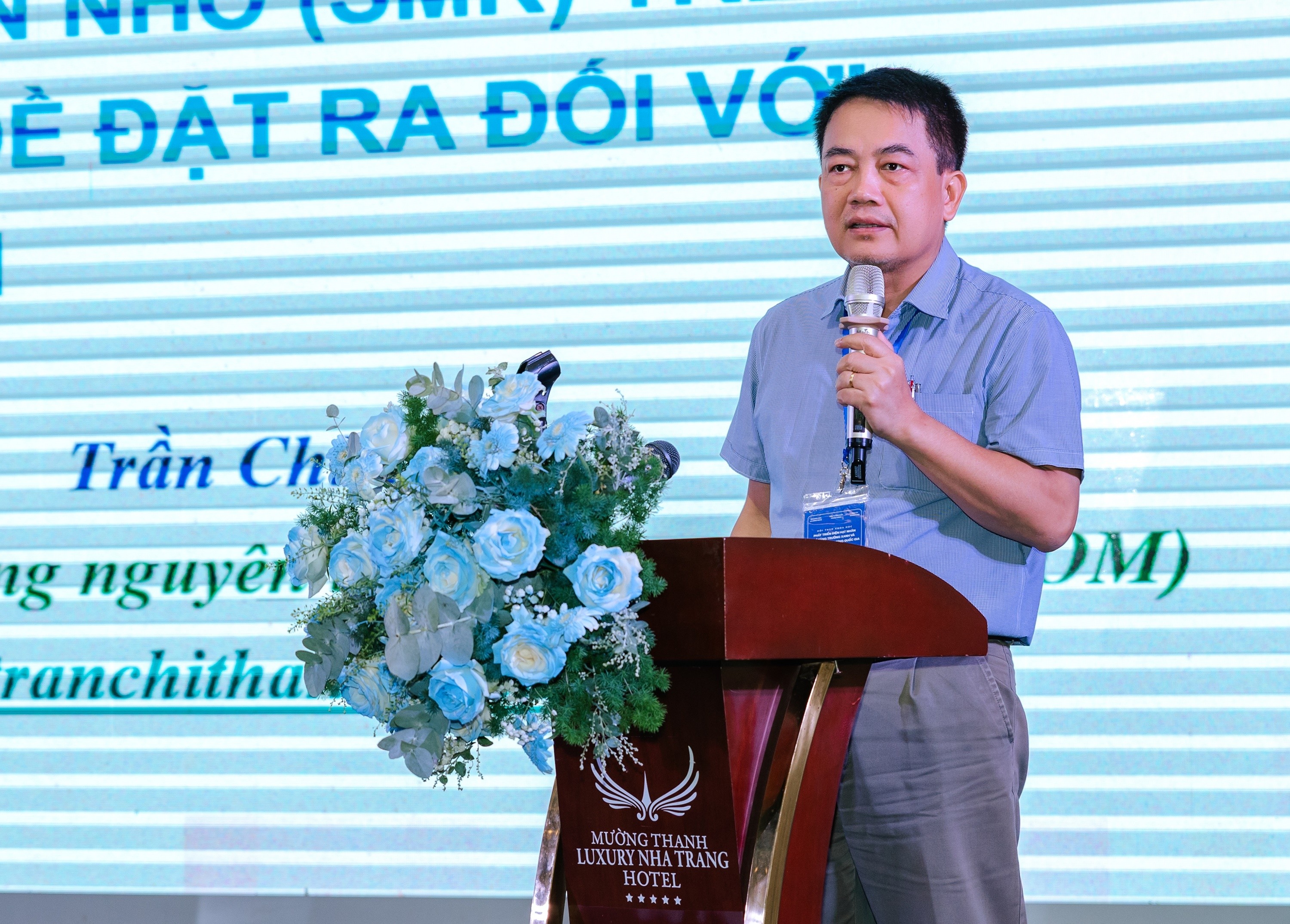 |
| Dr. Tran Chi Thanh, Director of the Vietnam Atomic Energy Institute (VINATOM). |
Key points:
Technology trend analysis: Emphasizing Generation III+ light-water reactor technologies (such as VVER-1200, AP1000, and APR1400) as an optimal choice for Viet Nam’s initial stage, given their high level of technological maturity and advanced safety features.
Assessment of SMR technologies: Analyzing the potential of SMRs, including flexibility, lower initial capital requirements, and strong passive-safety features, while also identifying challenges related to cost per MWe, regulatory licensing, and fuel supply chains. Representative designs include NuScale, RITM, SMART, and BWRX-300.
Recommendation: Alongside large-scale projects, Viet Nam should strengthen research and development (R&D) capacity, establish a system of technical support organizations (TSOs), and develop human resources to proactively engage with SMR technologies over the long term.
6. Assoc. Prof. Dr. Tran Thien Thanh, University of Natural Sciences, Viet Nam National University Ho Chi Minh City: “The Role of the University of Natural Sciences, Viet Nam National University Ho Chi Minh City, in Translating Scientific Knowledge into Public Understanding of Nuclear Power Development in Viet Nam”.
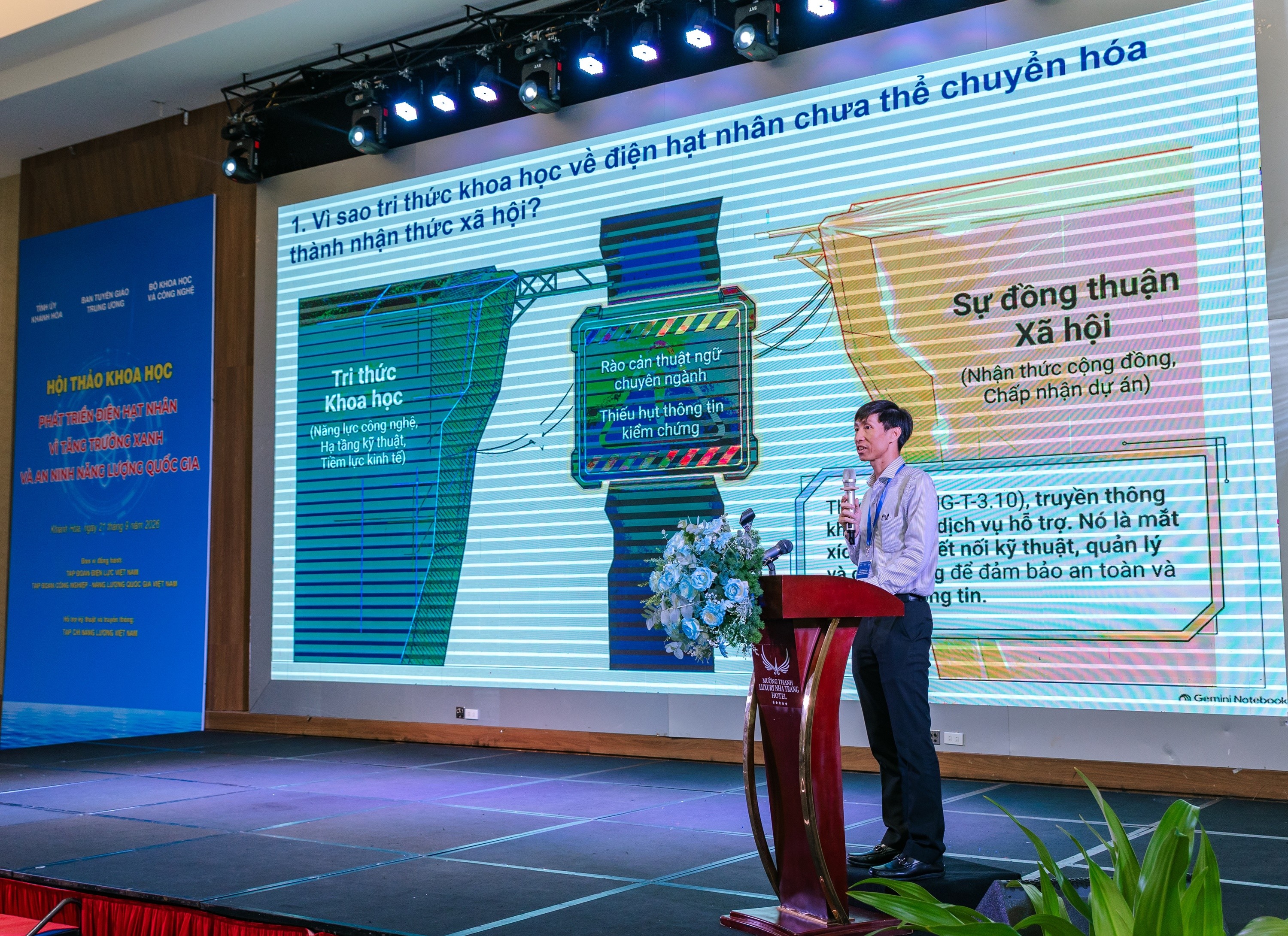 |
| Assoc. Prof. Dr. Tran Thien Thanh, University of Natural Sciences, Viet Nam National University Ho Chi Minh City. |
Key points:
The knowledge gap challenge: Identifying psychological barriers among the public arising from concerns about radiation and the complexity of specialized terminology.
Four-step model for translating knowledge into public understanding: (1) Simplifying academic language; (2) using virtual reality (VR)/augmented reality (AR) technologies to simulate reactors; (3) providing hands-on experience through actual radiation measurements; and (4) standardizing information in accordance with IAEA standards.
Human resources and communications solutions: A survey found that 31.6% of former nuclear engineering students would be willing to return to the sector if appropriate incentive policies were in place (under Decree No. 176/2026/ND-CP). The recommendation is for the State to commission training programs and fund modern simulation laboratories.
7. Mr. Nguyen Thanh Binh, Institute of Physics, Vietnam Academy of Science and Technology (VAST): “From Nuclear Power Plants to a National Science and Technology Ecosystem: The Role of Scientific Organizations in Viet Nam’s Nuclear Power Development”.
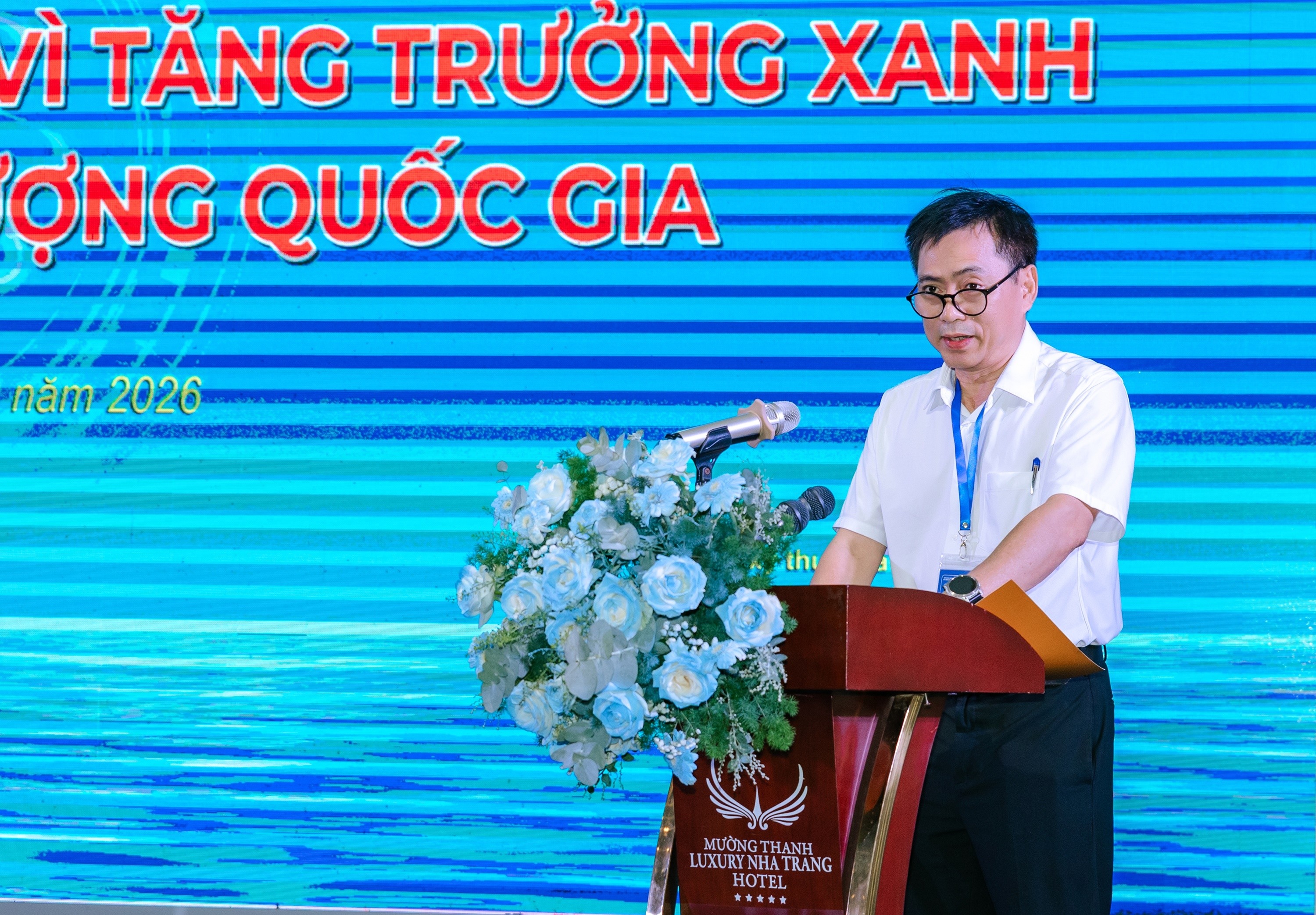 |
| Nguyen Thanh Binh, Institute of Physics, Vietnam Academy of Science and Technology (VAST). |
Key points:
Ecosystem perspective: Nuclear power is a comprehensive national program requiring the convergence of multiple disciplines, including nuclear physics, materials science, mechanics, thermal-hydraulics, automation, AI, cybersecurity, environmental chemistry, and Earth sciences.
Spillover impacts: The science and technology capabilities developed through a nuclear power project will generate spillover effects and raise technical standards across other key industries such as aviation, oil and gas, transport, and smart manufacturing.
Role of VAST: Providing independent computing and simulation capabilities, conducting data verification, materials research, and environmental monitoring; leveraging international cooperation platforms (ICP, JINR) to train human resources and build “trust infrastructure” for society. Recommending the establishment of a long-term interdisciplinary science and technology program supporting nuclear power.
III. DISCUSSION AND CONCLUSIONS OF THE WORKSHOP:
1. Discussion:
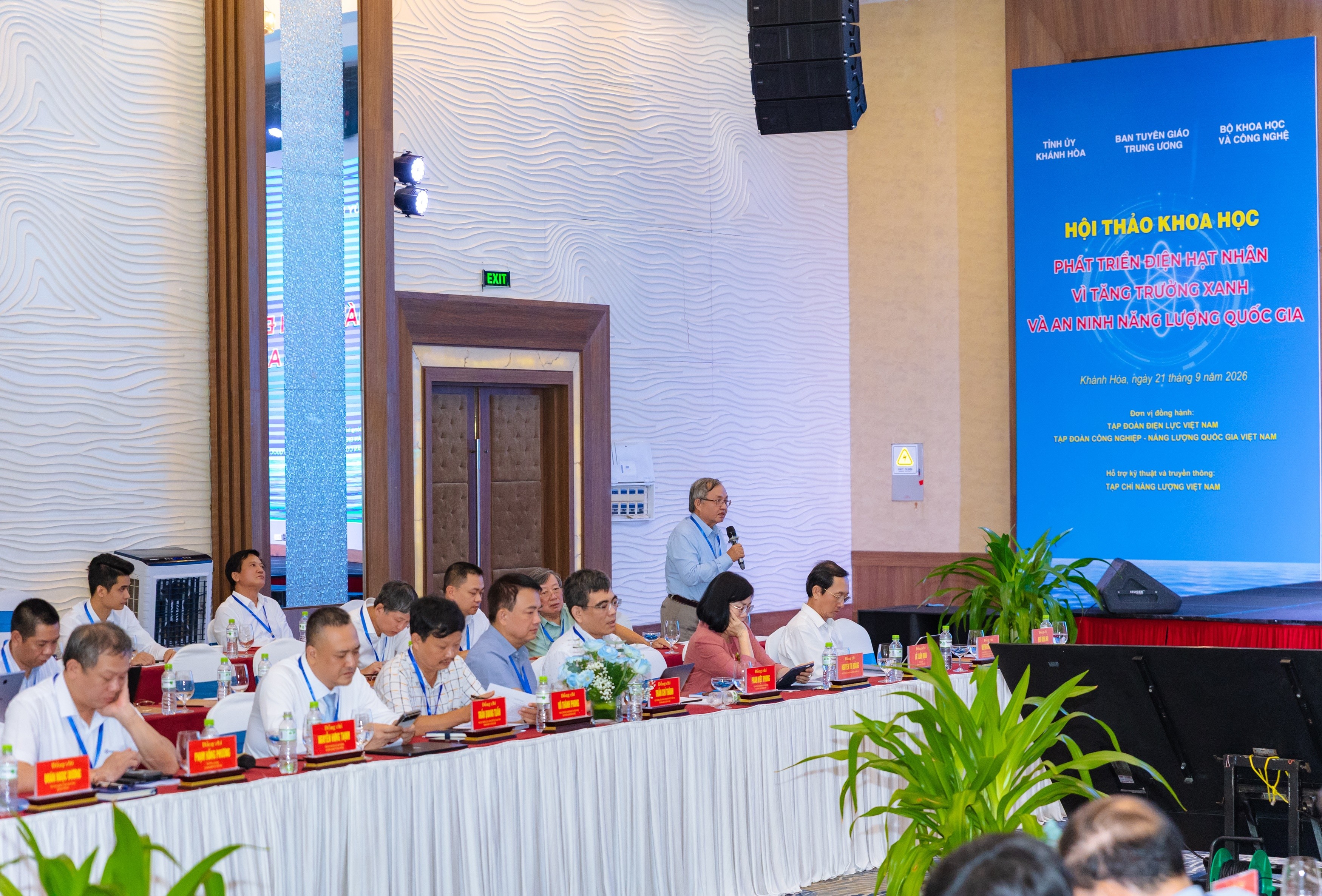
Following the presentations, the Workshop held a lively discussion session. The views expressed reflected a high degree of consensus, with participants considering the Workshop a timely and highly practical scientific forum that effectively addressed information and communications needs related to nuclear power. Participants also highly appreciated the well-organized coordination among the Central Propaganda and Education Commission, the Ministry of Science and Technology, and the Khanh Hoa Provincial Party Committee.
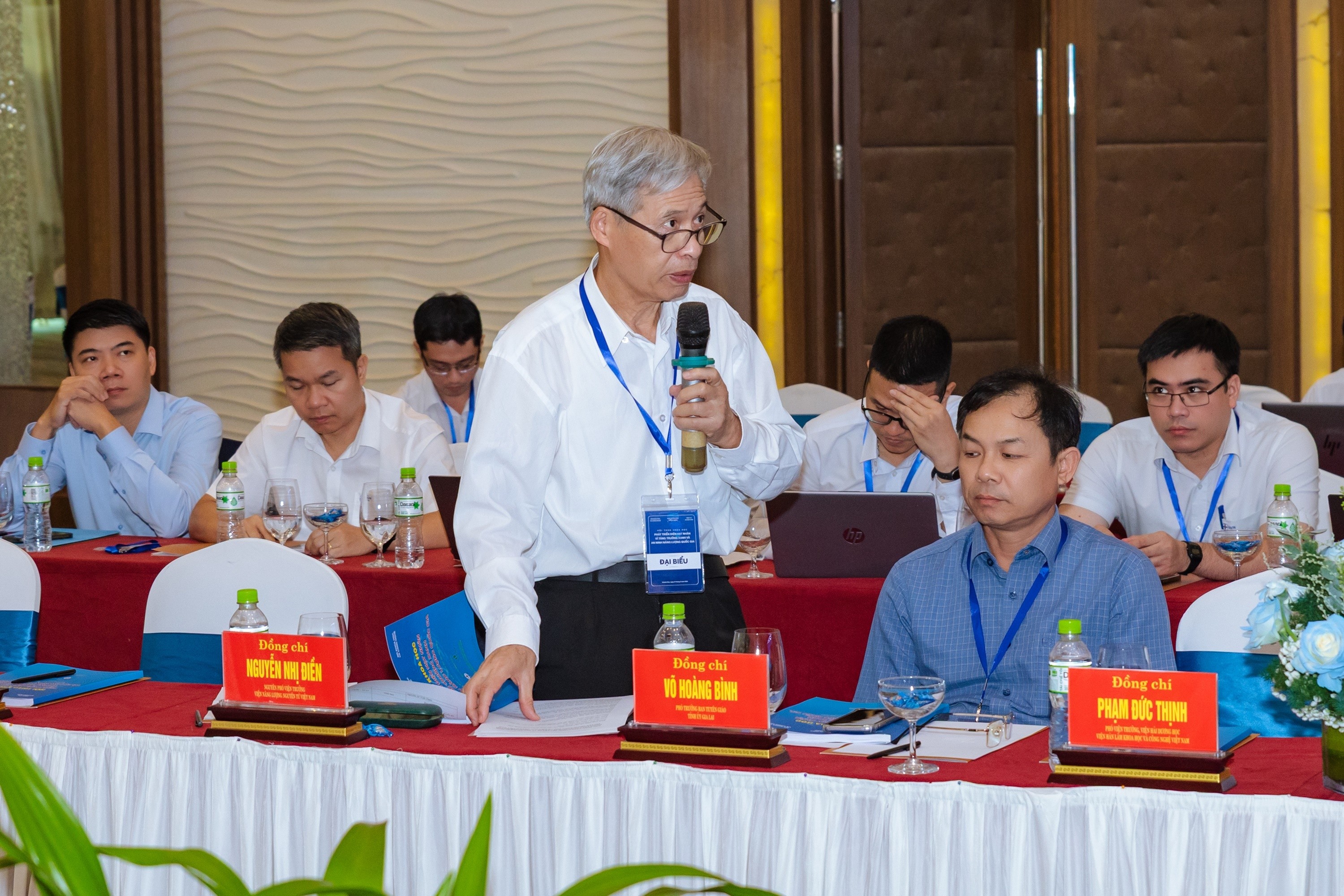 |
| Assoc. Prof. Dr. Nguyen Nhi Dien, Chairman of the Vietnam Atomic Energy Association. |
Assoc. Prof. Dr. Nguyen Nhi Dien, Chairman of the Vietnam Atomic Energy Association, emphasized that, alongside technological considerations, safety, and economic efficiency, communications play a pivotal role in the sustainable development of the national nuclear power program. Accordingly, mass communication (to build trust and social consensus) and scientific communication (to provide a knowledge base, technological solutions, and safety information to the public) need to be closely integrated. As projects are implemented, a dedicated scientific communications component should be established early, together with a network of “scientific contributors,” to effectively implement communications plans and guidance.
In particular, communications must ensure transparency and promote early, proactive dialogue with residents in project areas through community consultations and the provision of public, easy-to-understand reports on environmental and health impacts.
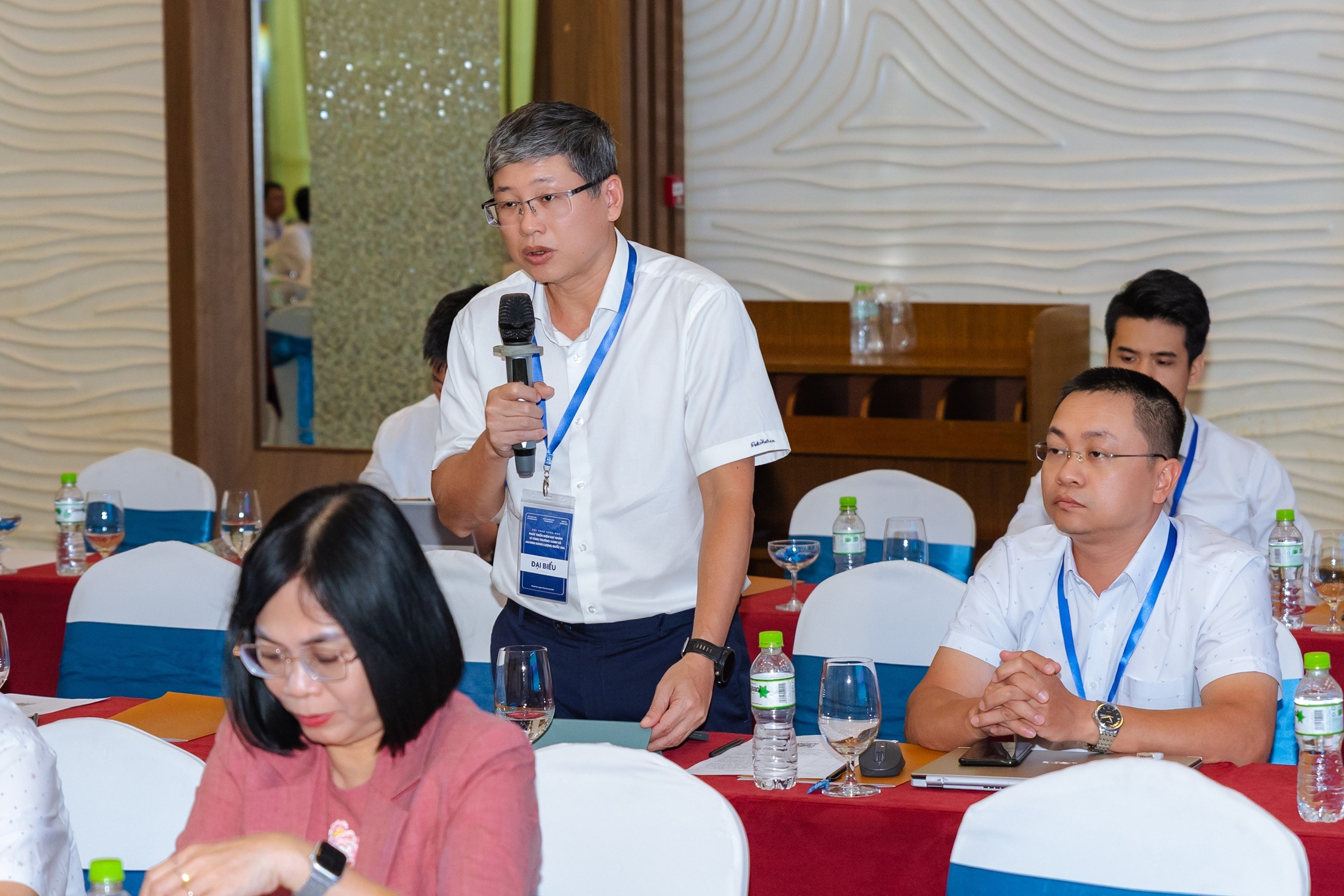 |
| Nguyen Thanh Binh, Ninh Thuan 2 Nuclear Power Project Investment Board, Vietnam National Industry - Energy Group (Petrovietnam). |
Mr. Nguyen Thanh Binh, Ninh Thuan 2 Nuclear Power Project Investment Board, Vietnam National Industry - Energy Group (Petrovietnam), outlined an approach to increasing benefits for people in affected areas through the following groups of solutions:
First: Prioritize resources and create sustainable local employment. Petrovietnam will proactively coordinate the training and development of local human resources so that residents can directly participate in the construction, operation, and development of the project.
Second: Develop an economic ecosystem and supporting industries around the project – from construction, transport, and logistics to trade and housing. Given the large scale and long life cycle of a nuclear power project, these spillover effects can strongly stimulate the local economy.
Third: Once officially designated as the project investor, Petrovietnam will work closely with local authorities to focus on completing essential social infrastructure and improving the material living conditions and overall well-being of local residents.
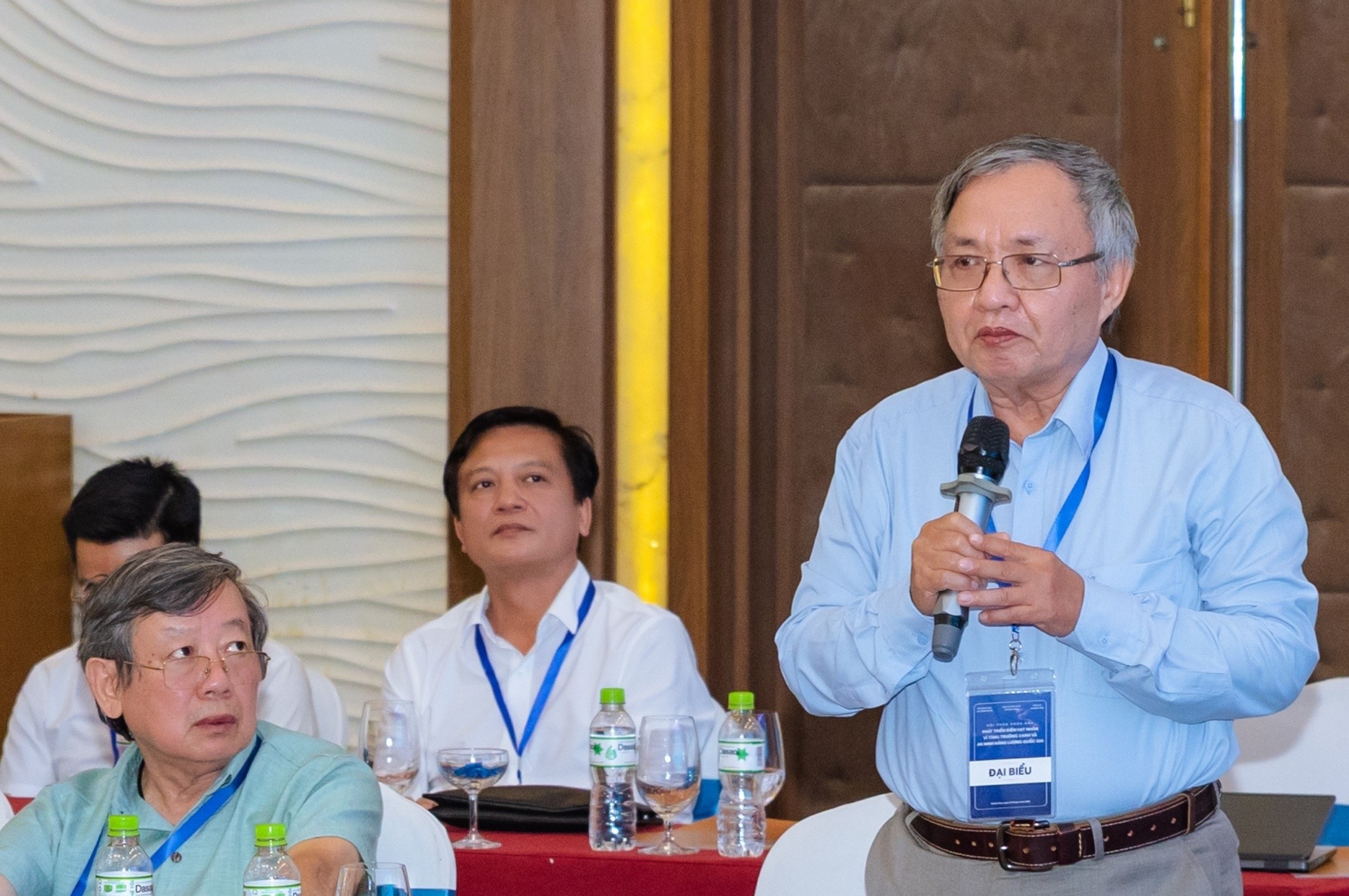 |
| Dr. Le Chi Dung is a former Deputy Director of the Vietnam Agency for Radiation and Nuclear Safety (VARANS) and currently an Expert on the Scientific Council of Vietnam Energy Review. |
Dr. Le Chi Dung, former Deputy Director of the Vietnam Agency for Radiation and Nuclear Safety and currently an Expert on the Scientific Council of Vietnam Energy Review, reiterated several points proposed in his paper submitted to the Workshop: establishing a National Nuclear Power Communications Model with six components, led by the Central Propaganda and Education Commission, in coordination with the Ministry of Science and Technology and the Party Committee of the locality where the project is located, which would serve as the directing authority (the first component). The model should classify four target audience groups (the general public, residents in project areas, intellectuals and school/university students, and managers/businesses) to determine priority content and appropriate communication channels.
Dr. Le Chi Dung also recommended developing a “Periodic National Report on Nuclear Power,” which could be developed by upgrading the Workshop Proceedings (21 September 2026), or integrated with the “National Nuclear Safety Report,” which Viet Nam is required to submit to the International Atomic Energy Agency (IAEA) and make available to States Parties to the Convention on Nuclear Safety.
Deputy Minister of Science and Technology Le Xuan Dinh expressed support for the proposal to issue a “Periodic National Report on Nuclear Power.”
Regarding the source materials for preparing the Report, the Deputy Minister suggested that, in addition to considering upgrading the Workshop Proceedings as proposed by delegates, the Integrated Nuclear Infrastructure Review (INIR) report could be used. The report was developed by the IAEA in coordination with the Ministry of Science and Technology and relevant ministries and agencies, and the official version was formally handed over by the IAEA leadership to the Government of Viet Nam.
Although the INIR report is highly technical, it can be adapted into a more accessible and easy-to-understand version for wider dissemination.
The Deputy Minister of Science and Technology affirmed his readiness to directly participate in editing this material and present it at a thematic workshop or seminar chaired by the Central Propaganda and Education Commission.
2. Conclusions of the Workshop:
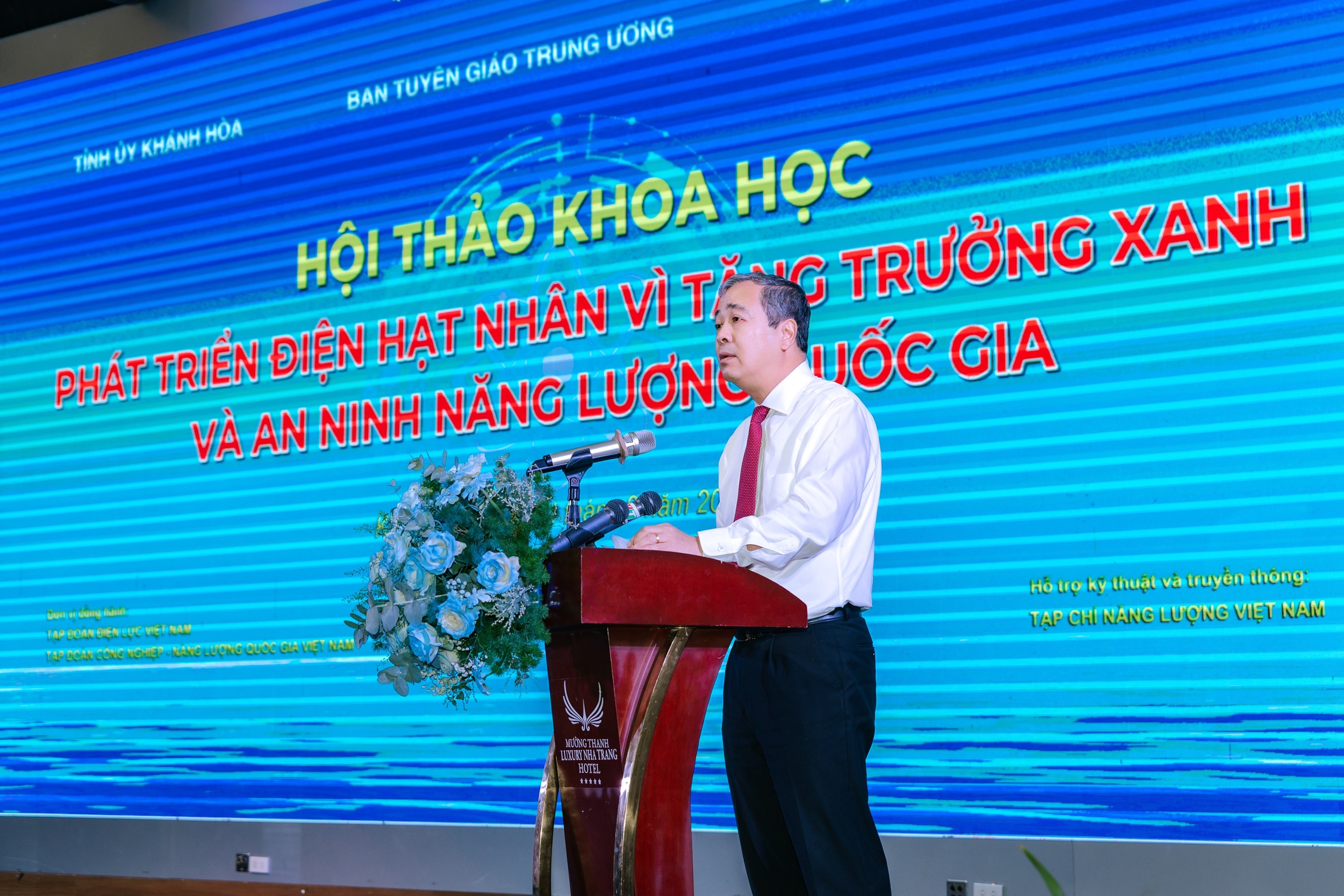 |
| Ngô Đông Hải, Member of the Party Central Committee and Deputy Head of the Central Propaganda and Education Commission. |
In his concluding remarks, Member of the Party Central Committee and Deputy Head of the Central Propaganda and Education Commission Ngo Dong Hai emphasized: “After a focused, serious, scientific, and highly responsible session, the Scientific Workshop ‘Developing Nuclear Power for Green Growth and National Energy Security’ has completed its entire agenda".
On behalf of the Organizing Committee, Mr. Ngo Dong Hai expressed his appreciation for the participation and valuable contributions of scientists, experts, and leaders from ministries, agencies, and local authorities. He also highly valued the proactive and effective coordination among the Khanh Hoa Provincial Party Committee, the Ministry of Science and Technology, Vietnam Electricity (EVN), and Vietnam National Industry - Energy Group (Petrovietnam).
The Deputy Head of the Central Propaganda and Education Commission summarized four key outcomes of the Workshop:
First: Affirming the essential and strategic role of nuclear power in the country’s future development.
The Workshop reached a common understanding that, to ensure national energy security, maintain power system stability, and fulfill the international commitment to net-zero emissions by 2050, nuclear power is an indispensable solution in the national power mix. The scientific papers clarified the role of nuclear power in ensuring generation capacity, delivering low-emission electricity, and enabling effective integration with renewable energy sources.
Second: Accessing advanced technologies and nuclear safety lessons.
Scientists provided in-depth analysis of trends in next-generation reactor technologies, as well as international experience in restarting and developing nuclear power. Building a nuclear safety culture, strengthening the state regulatory capacity of the Vietnam Agency for Radiation and Nuclear Safety, and the leading roles of major groups such as EVN and Petrovietnam are key foundations for ensuring that the projects are implemented to the highest safety standards and on schedule.
Third: Clearly identifying breakthrough opportunities for Khanh Hoa Province.
The Workshop highlighted significant opportunities for infrastructure development, investment attraction, economic restructuring, and improved living standards for the people of Khanh Hoa Province as nuclear power projects are implemented in the locality. At the same time, competent agencies and local authorities proposed specific measures to ensure social welfare, public order and security, and the establishment of safe areas around the project.
Fourth: Reaching agreement on key priorities for information, communications, and building “broad-based public support”.
Nuclear power development can succeed only with strong social consensus and public confidence. The Workshop drew some valuable lessons from the experience of the military and police in mobilizing people and building “broad-based public support”; practical communications experience in localities such as Dong Nai; and the guiding role of the press, universities, research institutes, and the propaganda and education system at all levels.
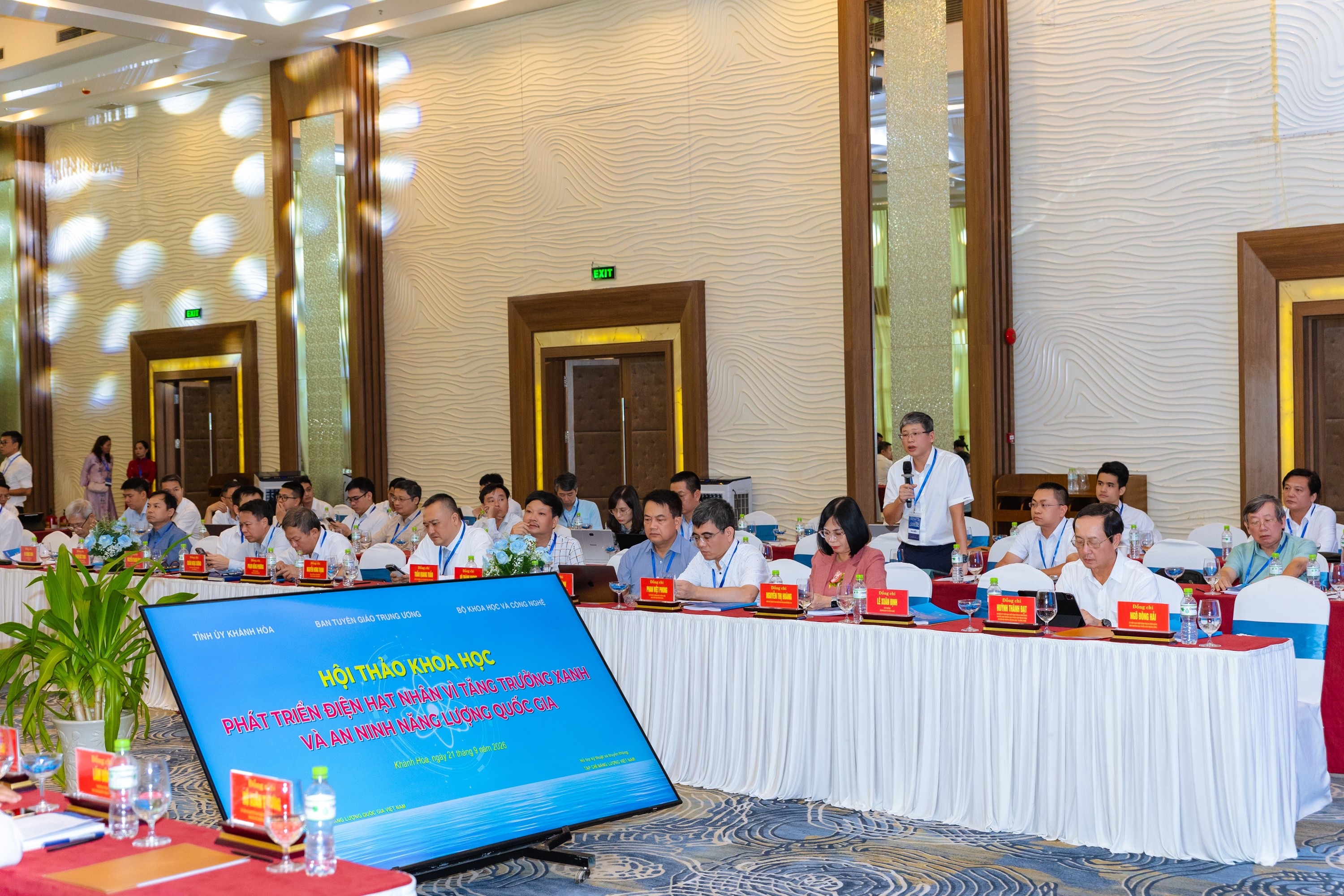
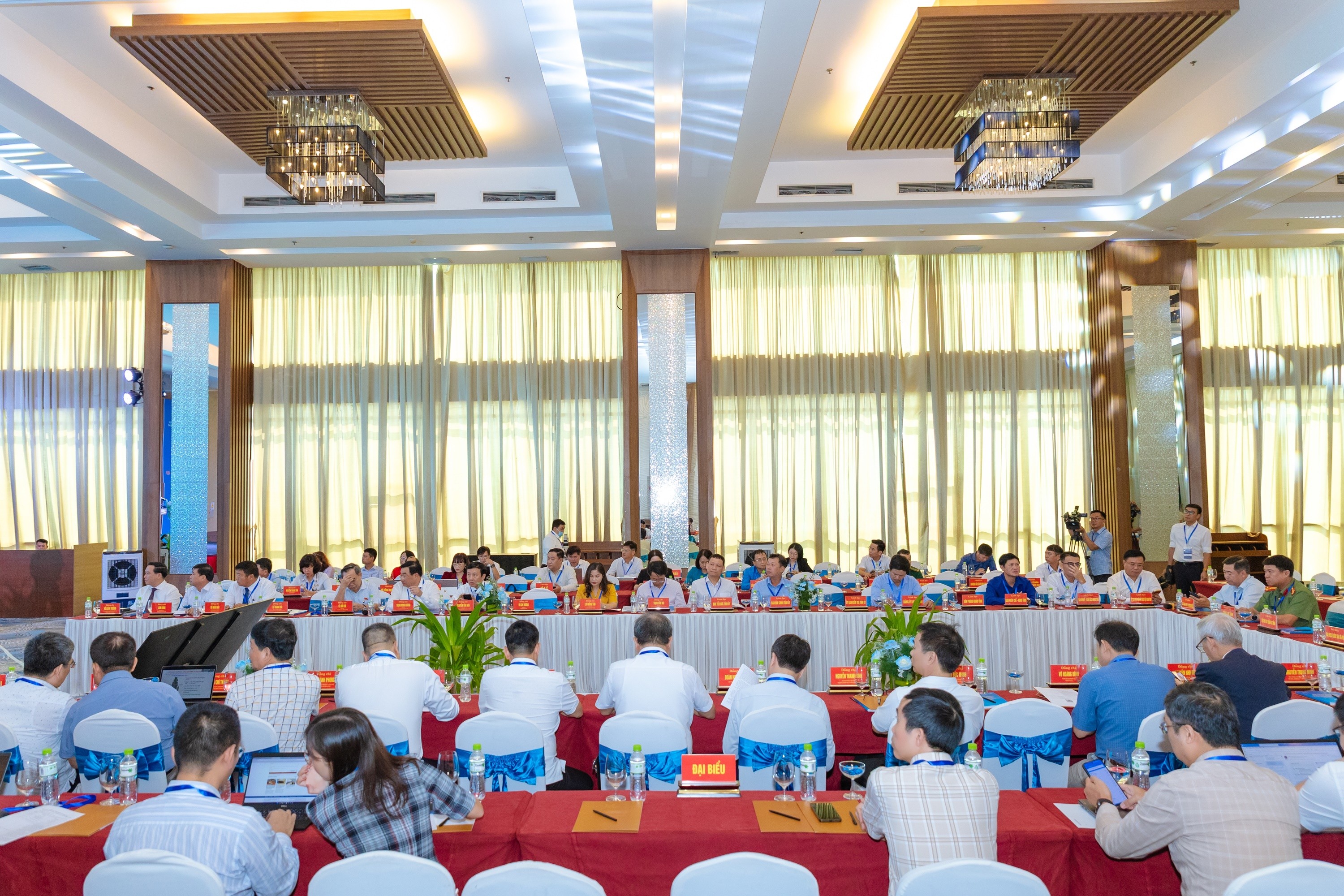
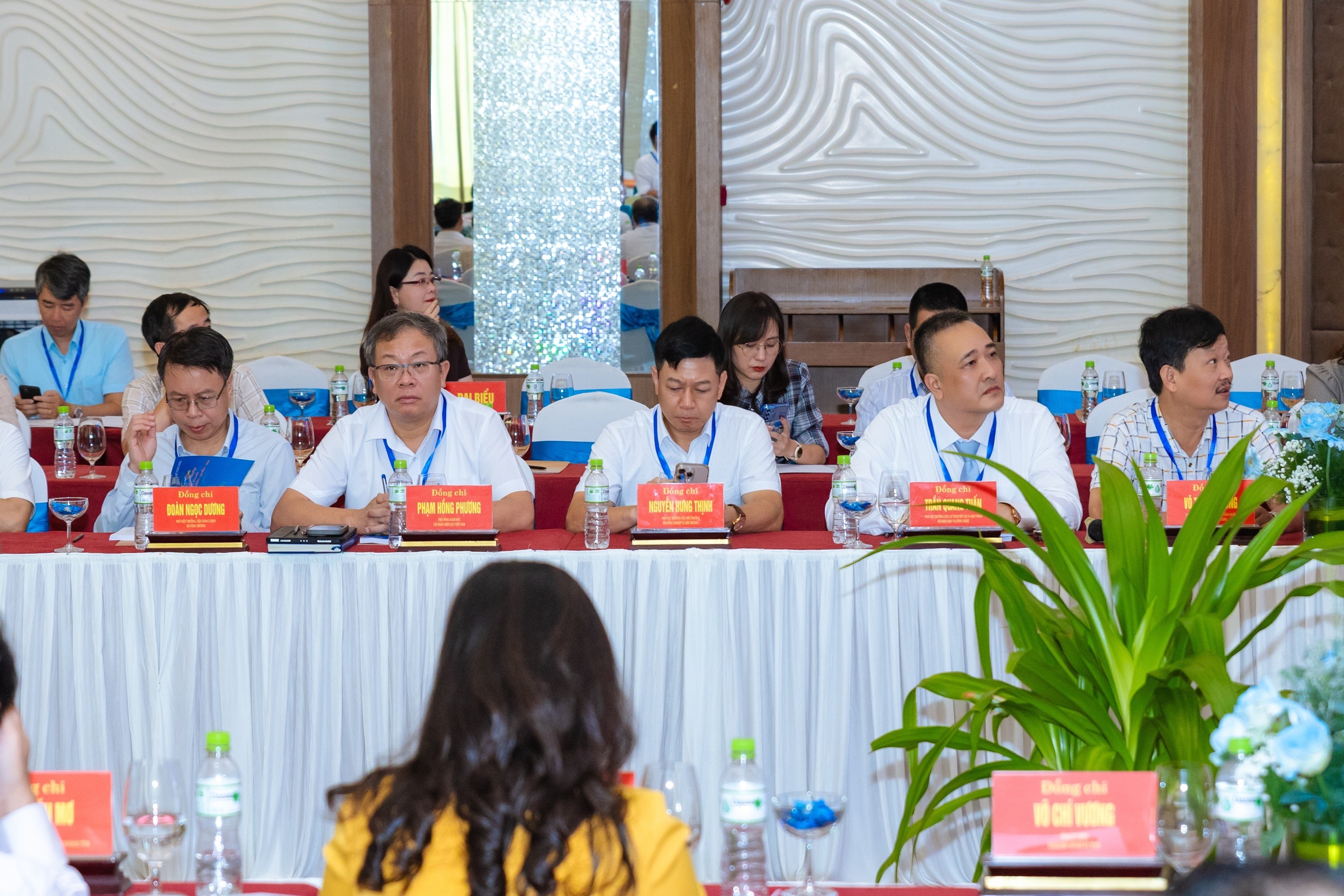
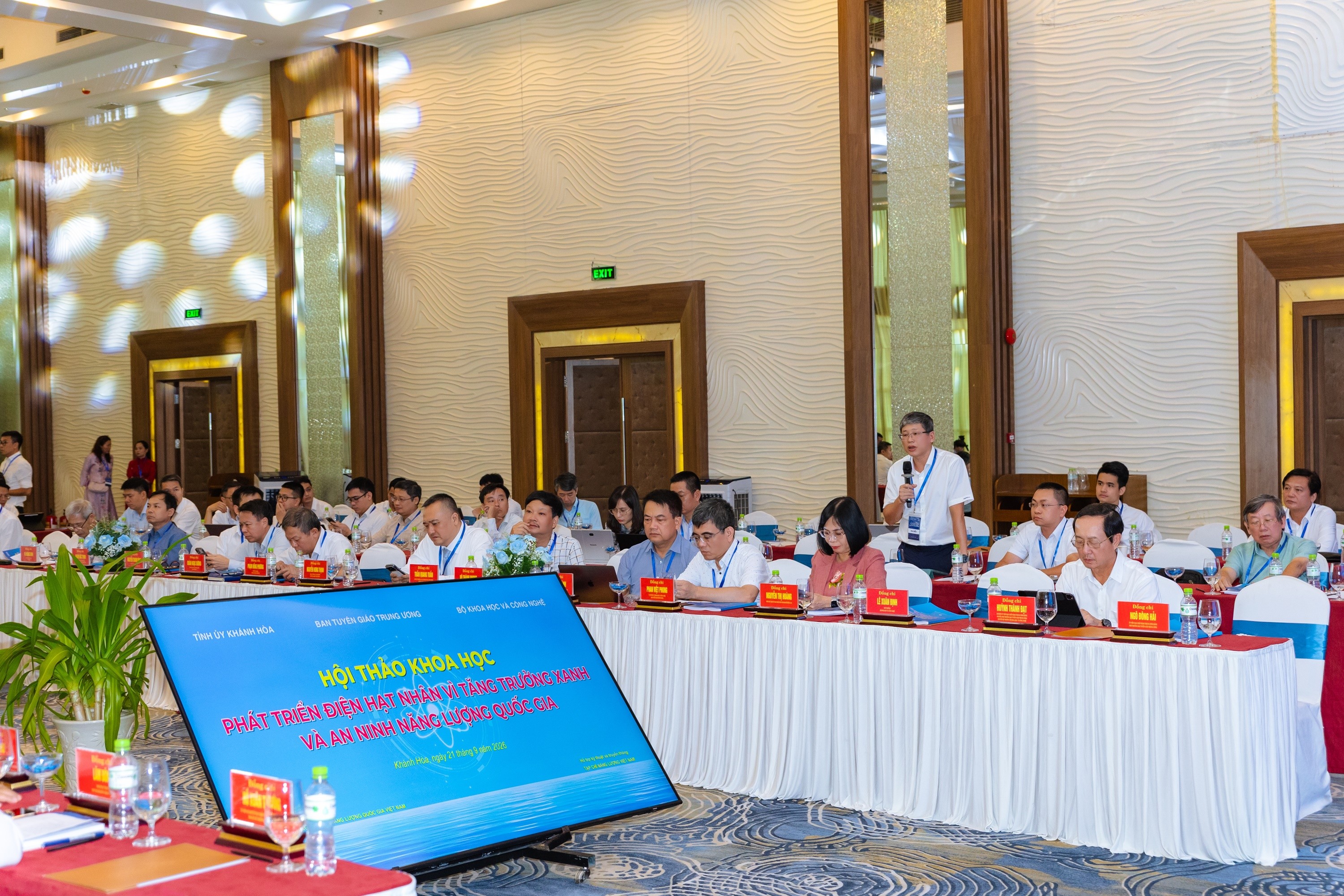
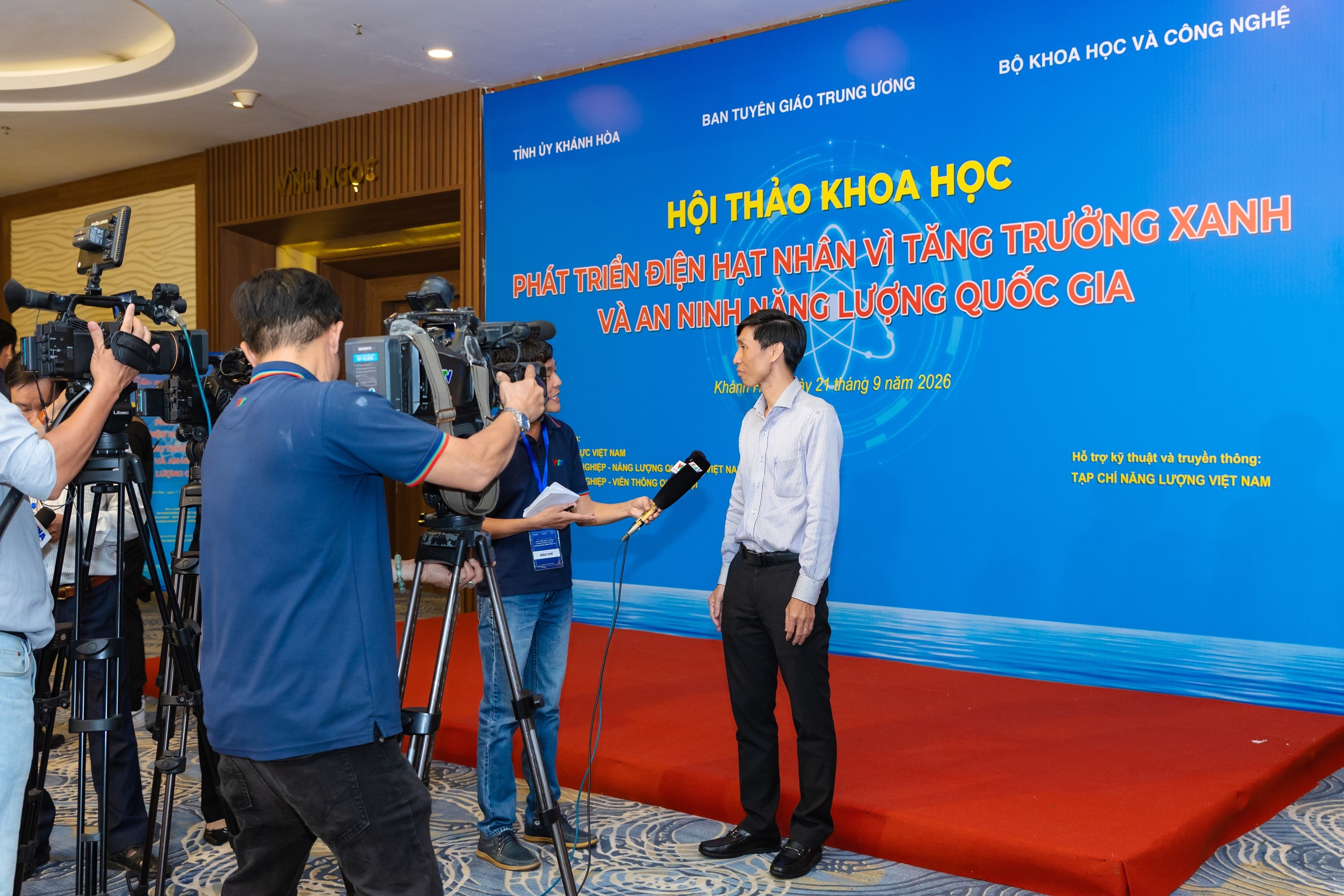
Some photos from the workshop:
 |
 |
 |
 |
 |
 |
 |
 |
 |
 |
 |