


The 6th Vietnam Clean Energy Forum
12:58 | 07/08/2026
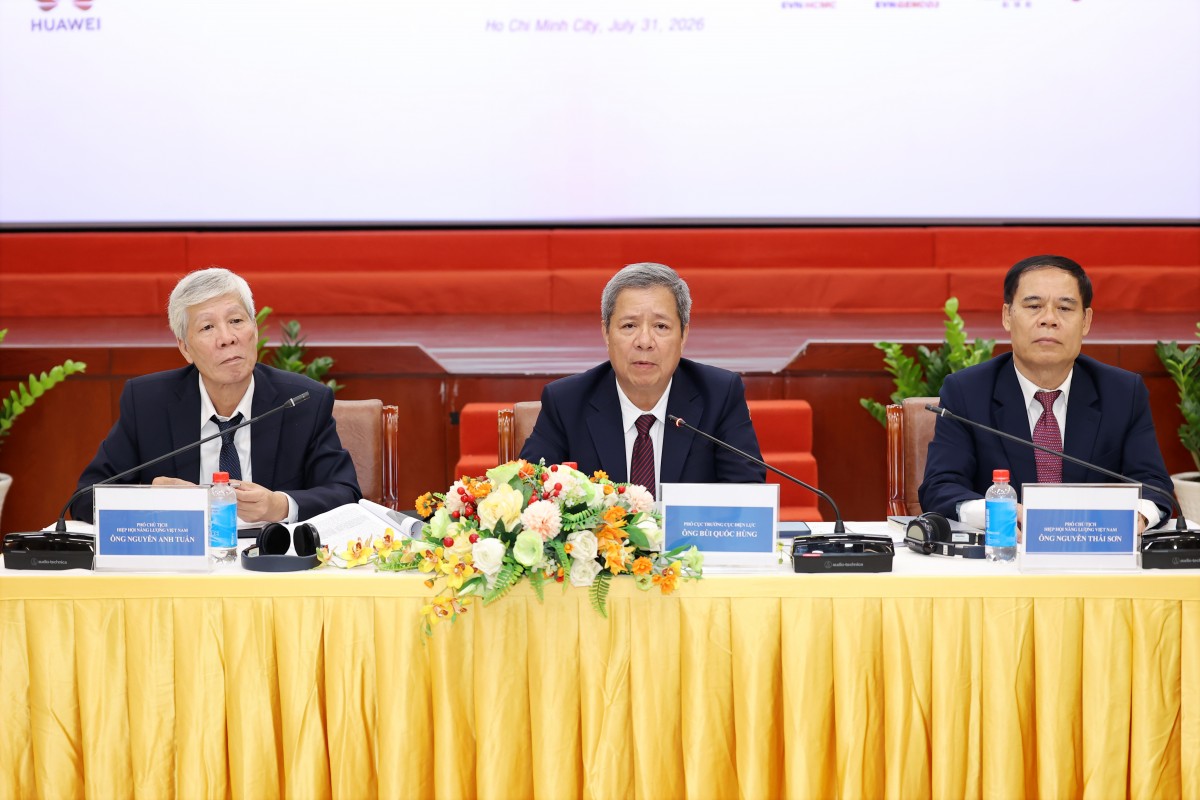 |
| The Forum Presidium. |
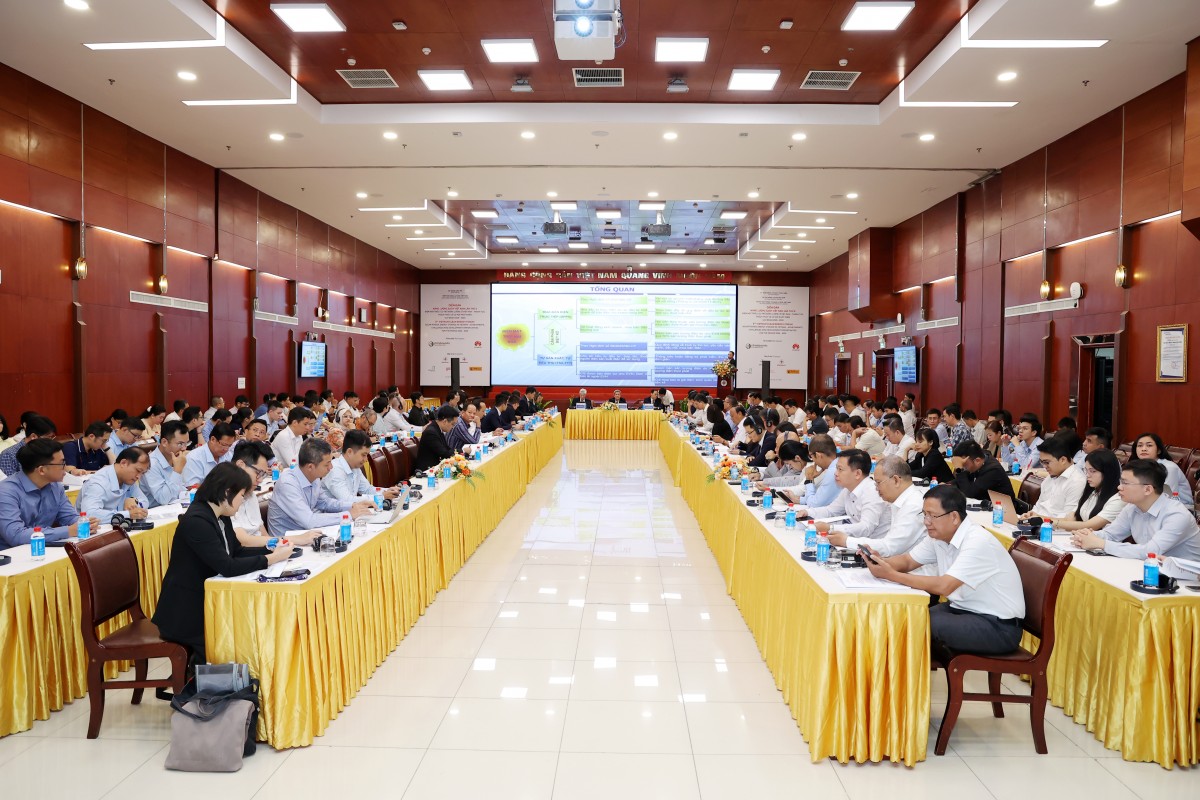 |
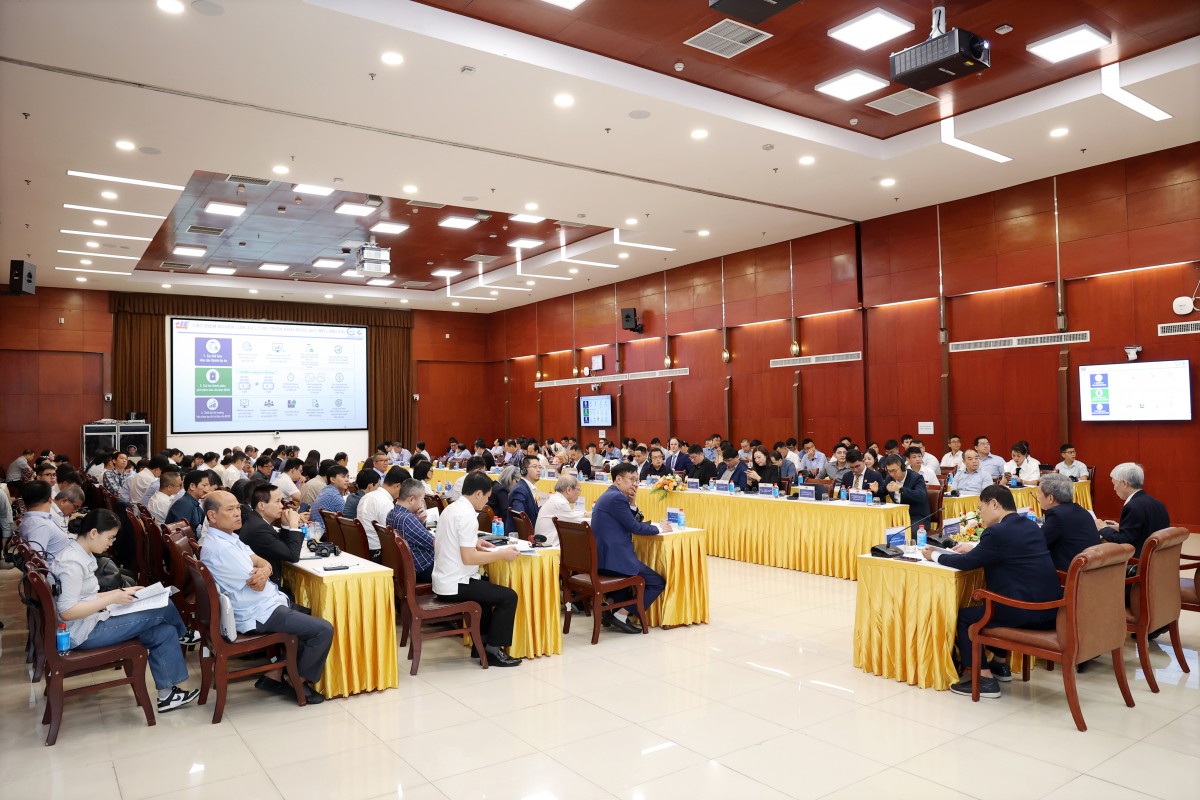
| An overview of the 6th Vietnam Clean Energy Forum. |
The Forum attracted more than 200 delegates, including representatives from central and local government agencies, foreign diplomatic missions, international organizations, the Institute of Energy under the Ministry of Industry and Trade, state-owned and private enterprises, investors, financial institutions, universities, research institutes, and energy experts from Vietnam and abroad.
Opening Remarks
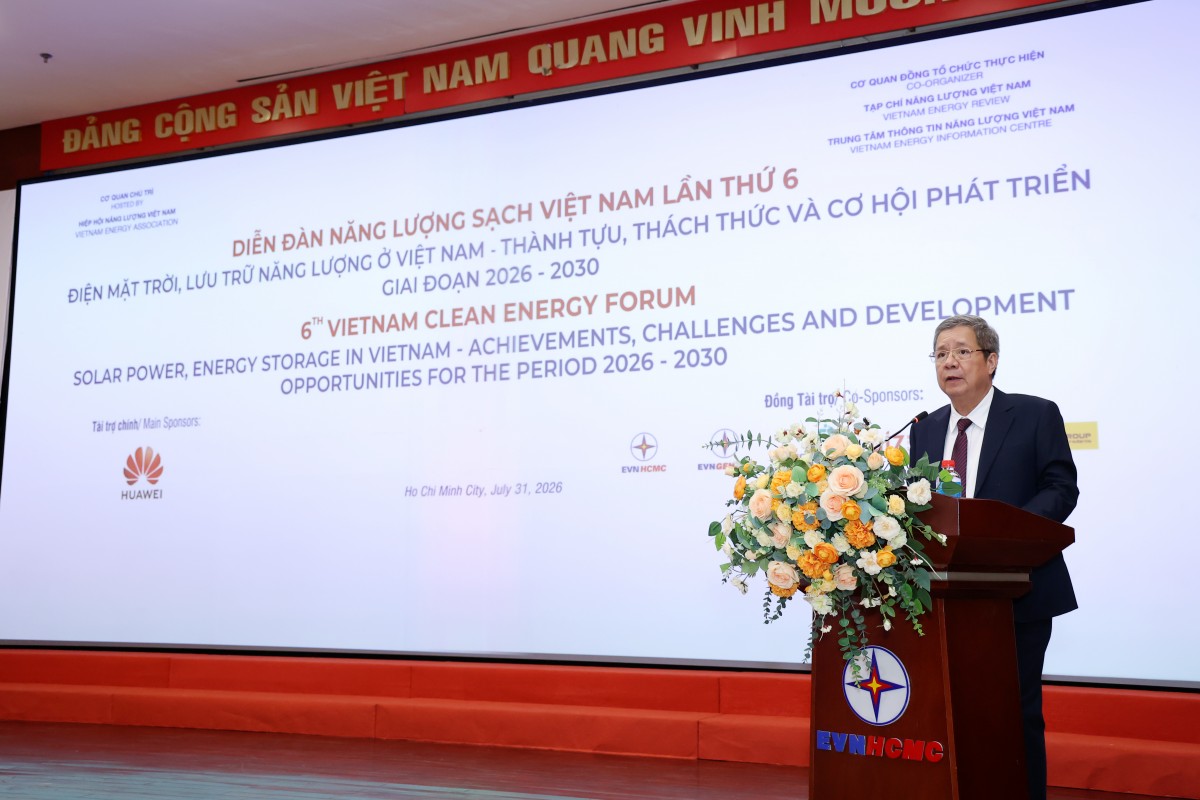 |
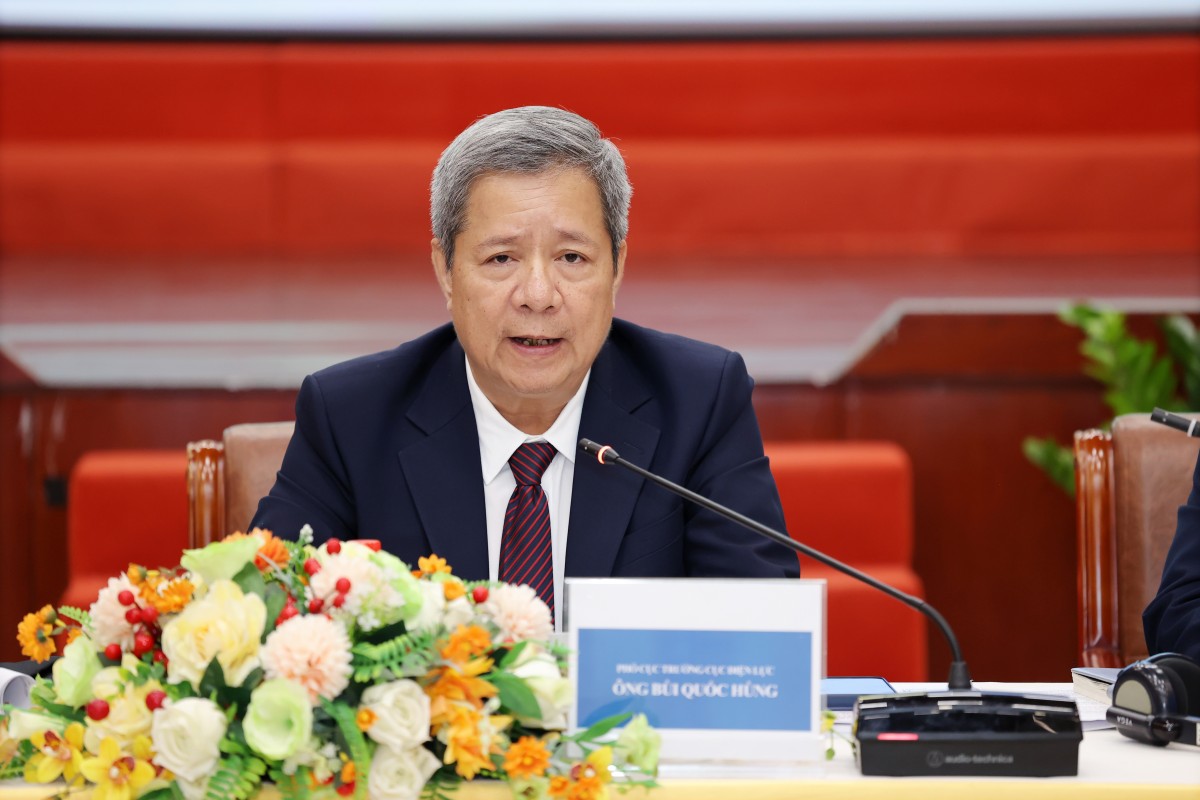
| Mr. Bui Quoc Hung, Deputy Director General of the Electricity Authority, Ministry of Industry and Trade (MOIT). |
In his opening address, Mr. Bui Quoc Hung, Deputy Director General of the Electricity Authority under the Ministry of Industry and Trade (MOIT), emphasized that ensuring energy security has become a fundamental prerequisite not only for sustaining economic growth but also for achieving Vietnam's long-term goals of sustainable development, enhanced national competitiveness, and green transition.
He noted that the Politburo, the National Assembly, and the Government have issued a series of policies and resolutions to strengthen national energy security. The Ministry of Industry and Trade is currently focusing on implementing the Revised National Power Development Plan VIII (Revised PDP8) and developing a modern, flexible, and sustainable power system. In this context, solar power will continue to play an important role, while Battery Energy Storage Systems (BESS) are expected to enhance renewable energy integration, improve system flexibility, and strengthen power system reliability.
Mr. Hung also highlighted that Vietnam is entering a new phase of energy development, shifting from rapid renewable energy expansion toward the synchronized development of renewable energy and power system infrastructure. At the same time, the Direct Power Purchase Agreement (DPPA) mechanism is creating new opportunities for businesses to access green electricity and enhance their international competitiveness.
He expressed his hope that the Forum would provide an open platform for government agencies, businesses, investors, and experts to review achievements, identify challenges, share practical experience, and propose policy recommendations to support the sustainable development of Vietnam's solar power and energy storage sectors. He reaffirmed that the Electricity Authority would continue listening to stakeholders' feedback in order to further improve the country's regulatory and policy framework.
New Rooftop Solar Policies to Accelerate Renewable Energy Deployment
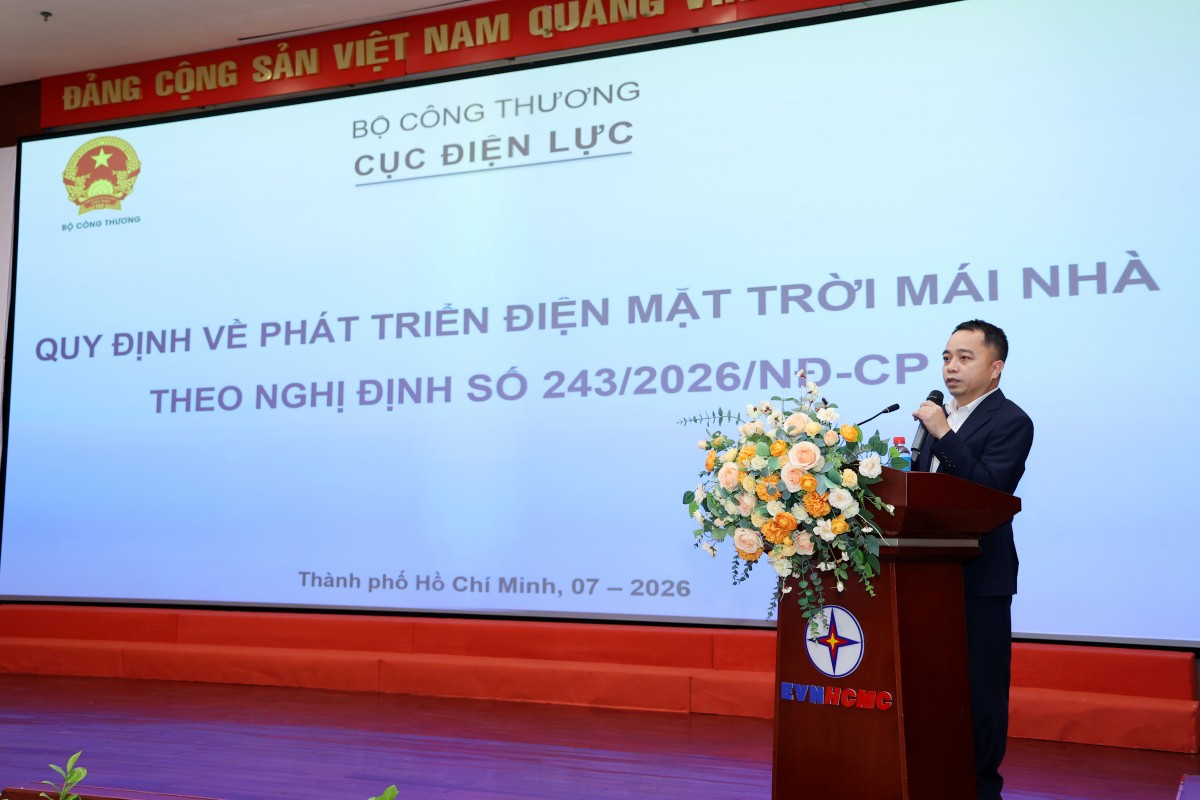 |
| Mr. Dinh Van Ton, Renewable Energy Department, Electricity Authority, Ministry of Industry and Trade (MOIT). |
A representative of the Electricity Authority under the Ministry of Industry and Trade (MOIT) introduced Government Decree No. 243/2026/ND-CP, which establishes a new regulatory framework for rooftop solar development and expands the Direct Power Purchase Agreement (DPPA) mechanism.
The presentation highlighted that the new Decree simplifies administrative procedures, removes regulatory barriers and replaces previous regulations governing DPPA and self-consumption rooftop solar systems. Investors are encouraged to clearly identify whether their projects are developed under the DPPA model or for self-consumption, as each is subject to different regulatory provisions.
Among the key policy changes, the minimum electricity consumption threshold for participation in the DPPA mechanism has been reduced from 200,000 kWh to 20,000 kWh per month. In contrast, electricity retailers in industrial parks are now eligible to participate. Electricity prices under DPPA contracts are also fully negotiated between buyers and sellers.
The Decree further provides greater flexibility for rooftop solar systems for self-consumption by allowing businesses to sell up to 50% of surplus electricity to the national grid and by simplifying notification procedures based on grid connection voltage rather than installed capacity.
According to the Electricity Authority, these reforms are expected to accelerate rooftop solar deployment, improve renewable energy integration, and support Vietnam's transition toward a more flexible and sustainable power system.
BESS to Become a Key Pillar of Vietnam's Future Power System
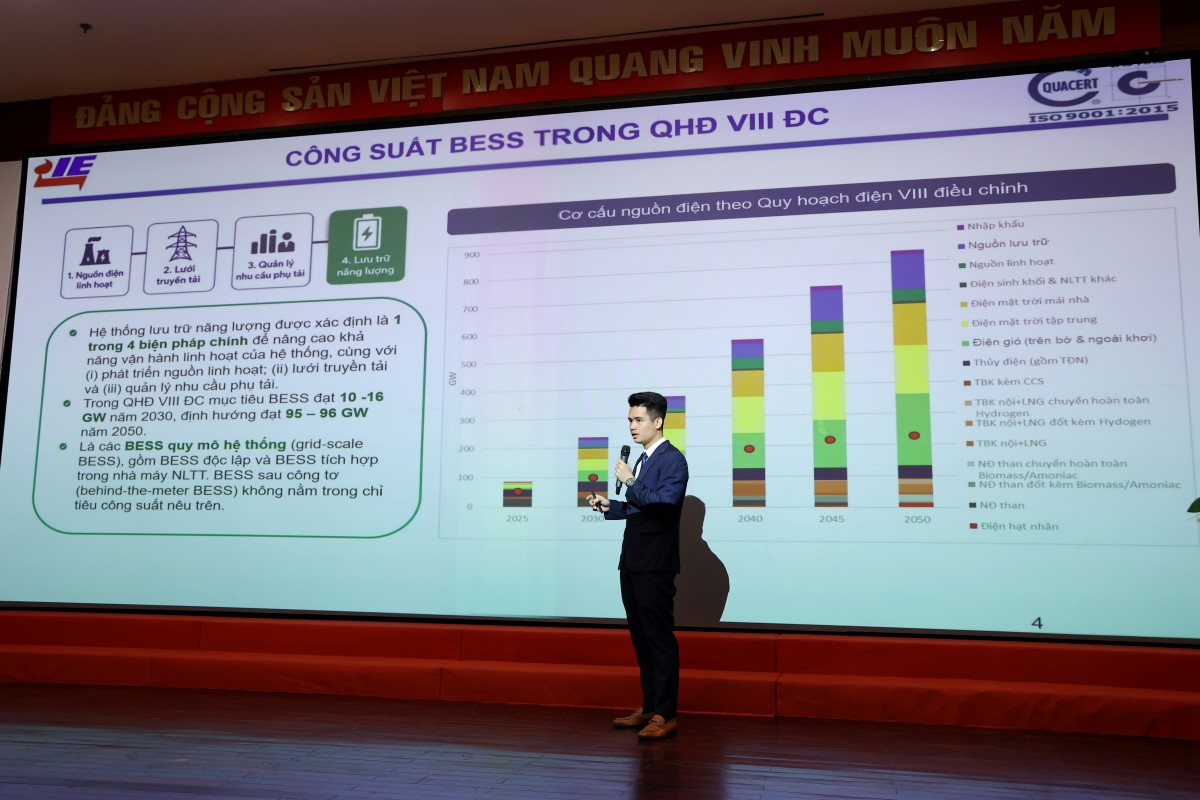 |
| Mr. Nguyen Van Duong, Power System Development Division, Institute of Energy, Ministry of Industry and Trade (MOIT). |
A representative of the Institute of Energy under the Ministry of Industry and Trade (MOIT) presented the roadmap for Battery Energy Storage Systems (BESS) under the Revised National Power Development Plan VIII (Revised PDP8).
According to the presentation, BESS has been identified as an essential component of Vietnam's future power system, with a planned capacity of 10–16.3 GW by 2030 and approximately 96 GW by 2050. Energy storage is expected to become one of the four key solutions for improving power system flexibility alongside flexible generation, transmission network expansion, and demand-side management, supporting Vietnam's Net Zero commitment by 2050.
The presentation noted that, in the short term, BESS will play an increasingly important role in meeting peak electricity demand as hydropower's peak-shaving capability becomes constrained. Beyond 2030, BESS is expected to evolve from peak-load support toward large-scale energy shifting and system balancing.
The Institute of Energy also identified several challenges to large-scale BESS deployment, including the slow development of bankable projects, the absence of an appropriate electricity pricing mechanism, limited market incentives under the current Vietnam Wholesale Electricity Market (VWEM), insufficient experience in developing large-scale renewable energy and BESS hybrid projects, and the need for clearer technical standards and safety regulations.
To accelerate BESS deployment through 2030, the Institute recommended introducing a two-component electricity pricing mechanism and developing appropriate dispatch arrangements for both standalone and integrated BESS projects, regardless of whether they are invested by EVN or private developers.
Huawei Highlights Grid-Forming BESS Technology and Market Opportunities
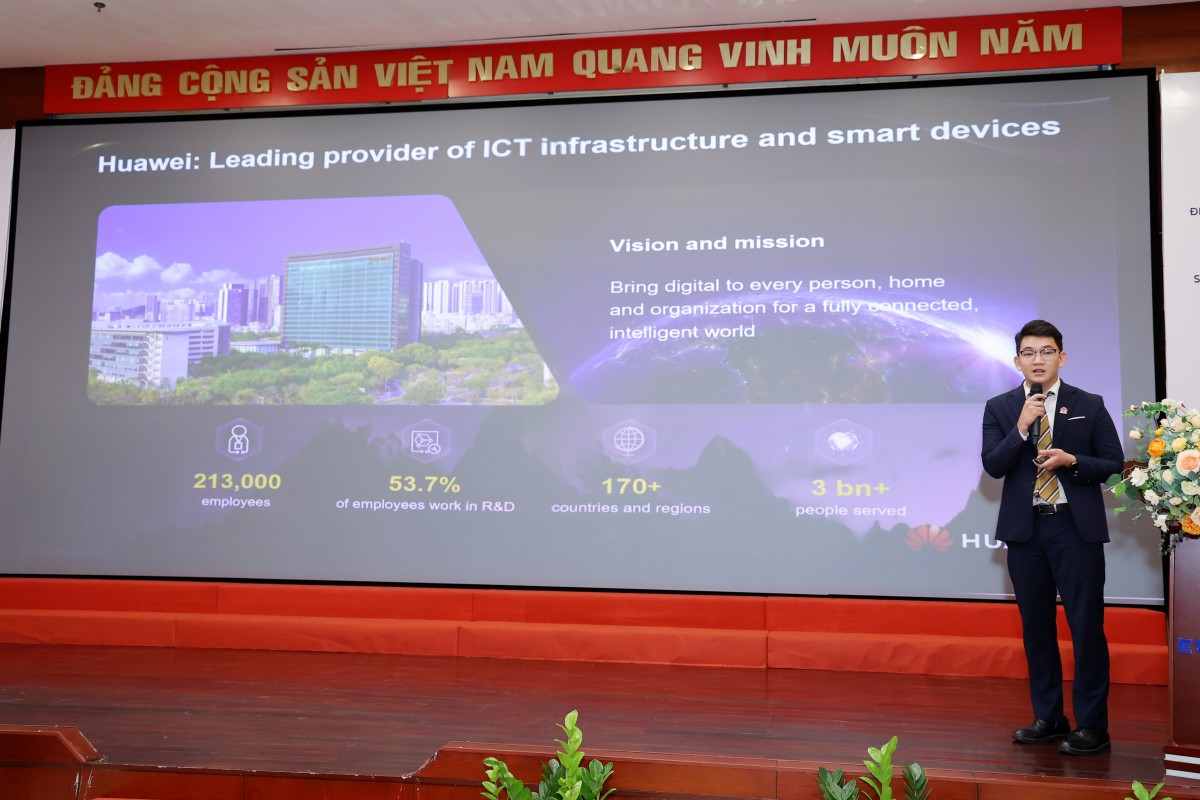 |
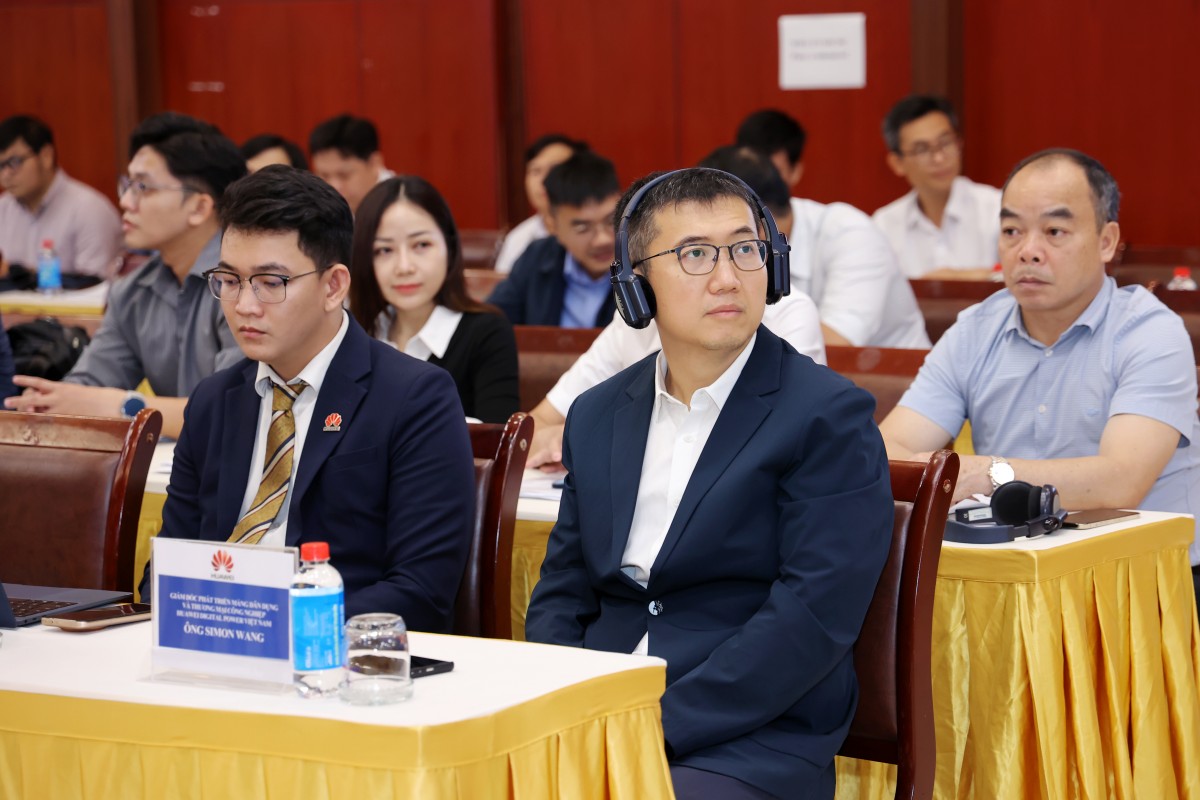
| Mr. Nguyen Huu Doan, Head of Senior Solution Department, Huawei Digital Power Vietnam. |
A representative of Huawei Technologies (Vietnam) Co., Ltd. presented a paper entitled "Battery Energy Storage Systems (BESS) in Vietnam – Technology Challenges and Development Opportunities for 2026–2030."
The presentation highlighted the rapidly evolving role of BESS, noting that energy storage is no longer viewed solely as supporting infrastructure but as an independent business sector with multiple commercial applications. Huawei also shared China's experience, where the policy requiring BESS to be paired with renewable energy projects has gradually shifted toward market-based mechanisms, particularly ancillary service markets, to improve the commercial viability of energy storage.
The speaker emphasized the growing importance of grid-forming technology following recent large-scale power system disturbances in several countries. Unlike conventional grid-following systems, grid-forming BESS can provide virtual inertia and actively support grid frequency and voltage stability, thereby enhancing the resilience of modern power systems with high shares of renewable energy.
Huawei also introduced its latest BESS technologies and shared practical deployment experience in the region, emphasizing the importance of advanced power conversion systems (PCS) and grid-forming capabilities in supporting Vietnam's future energy transition.
Preliminary GIZ Study Highlights the Implications of Expanding Vietnam's DPPA Mechanism
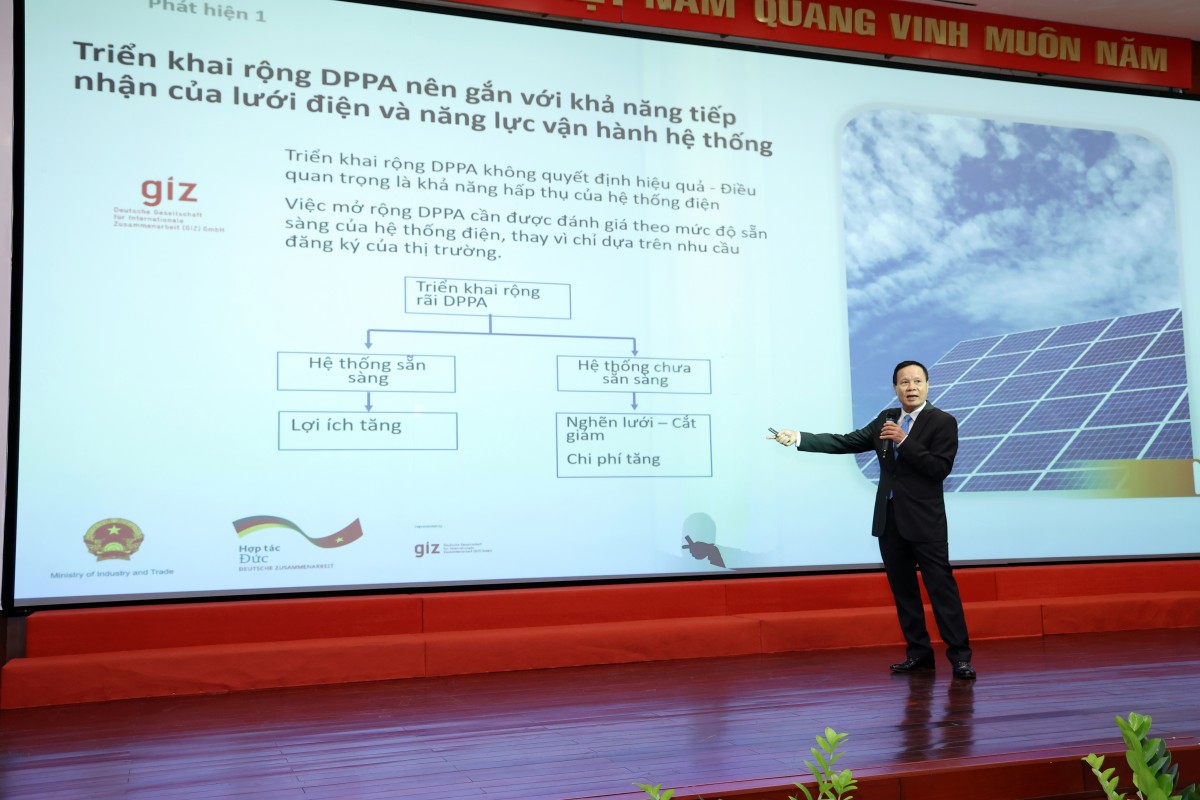 |
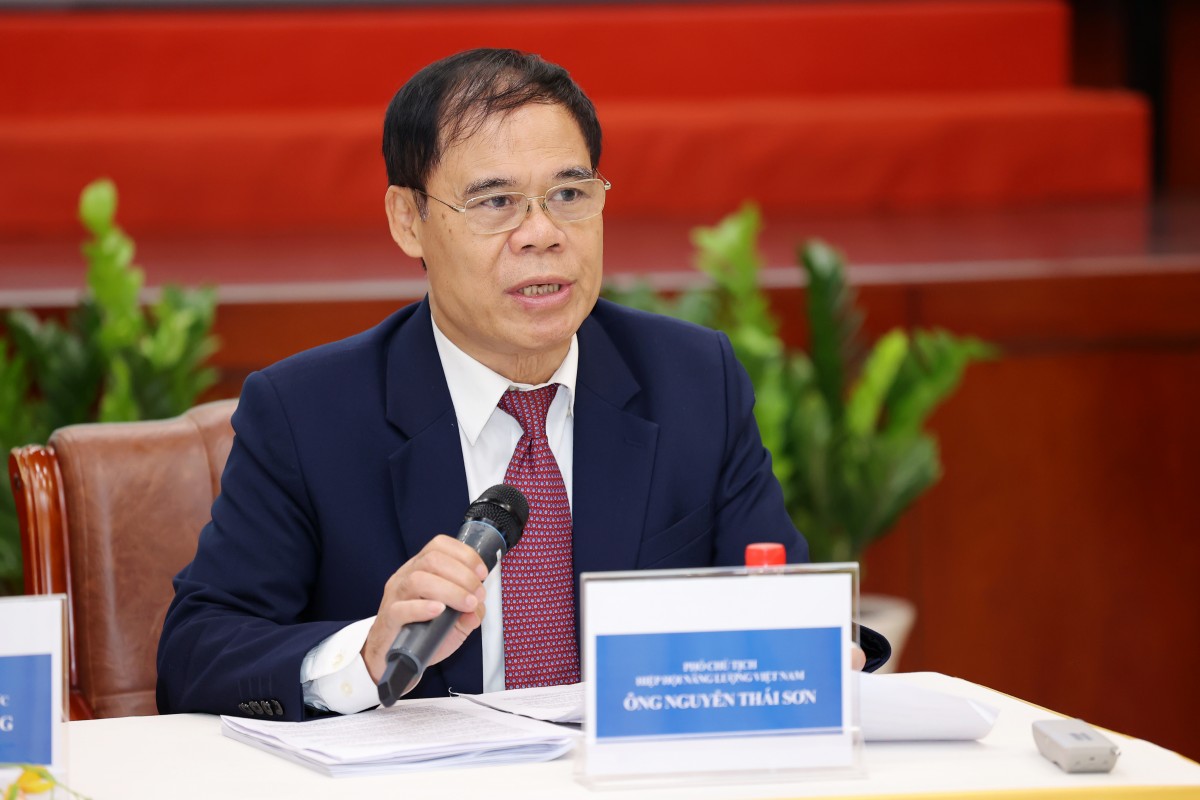
| Mr. Nguyen Huy Hoach, Standing Member of the Scientific Council, Vietnam Energy Review, Vietnam Energy Association (VEA). |
A representative of the Standing Scientific Council of Vietnam Energy Magazine under the Vietnam Energy Association (VEA) presented the preliminary findings of a study conducted under the GIZ Energy Support Programme on the expansion of Vietnam's Direct Power Purchase Agreement (DPPA) mechanism.
The study assessed the impacts of both grid-connected DPPA and private-wire DPPA models on Vietnam's power system, with a particular focus on system operation, renewable energy integration and electricity market development.
According to the preliminary findings, four key conclusions emerged: (i) DPPA expansion should be aligned with the power system's capability to absorb additional renewable energy; (ii) the mechanism will help foster a more flexible energy ecosystem; (iii) Vietnam's power sector is shifting its focus from ensuring adequate electricity supply to enhancing system flexibility; and (iv) electricity network cost allocation mechanisms should be reformed to support the sustainable development of the power system.
The study also highlighted two key policy implications. First, DPPA is expected to reshape value creation within the electricity market by expanding the role of system services and supporting infrastructure. Second, the pace of DPPA expansion should be aligned with the readiness of the power system.
The presentation concluded that DPPA should be viewed not only as a mechanism for promoting renewable energy investment, but also as an important driver of Vietnam's energy transition, supported by a flexible power system and a competitive electricity market.
NEOVEST Shares International Perspectives on Vietnam's BESS Market
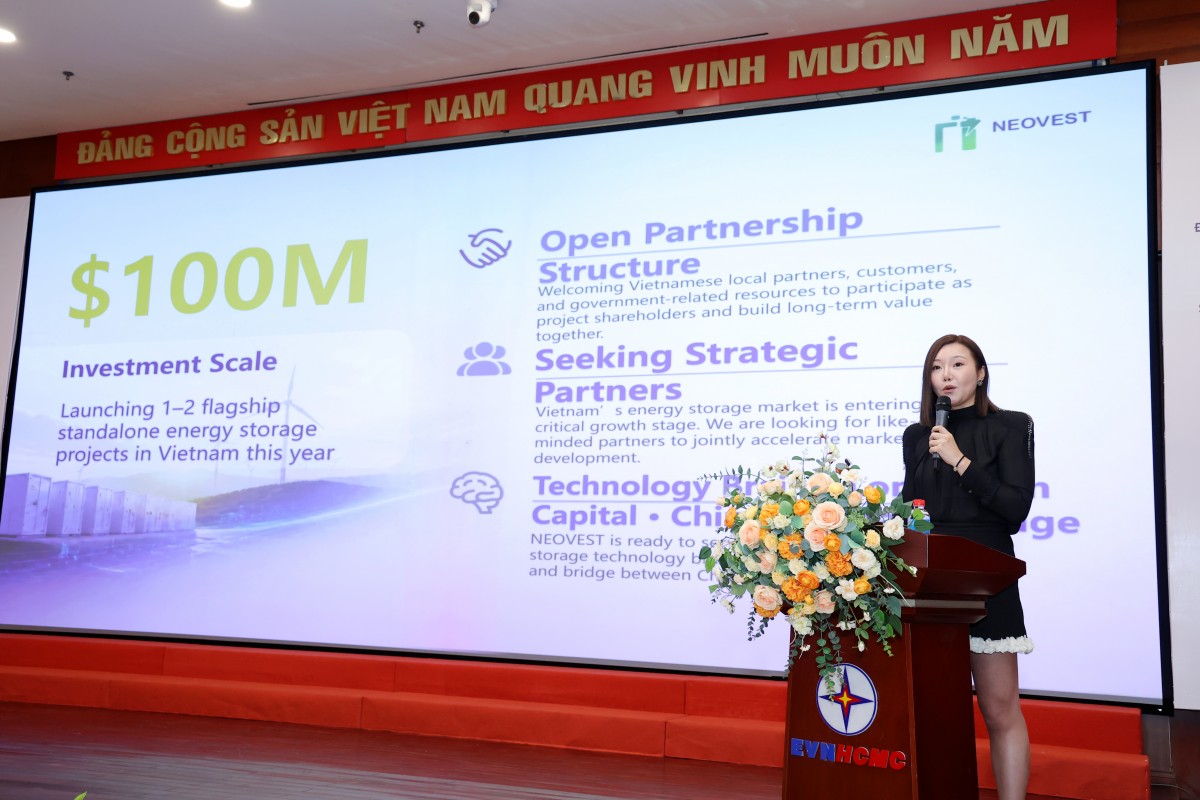
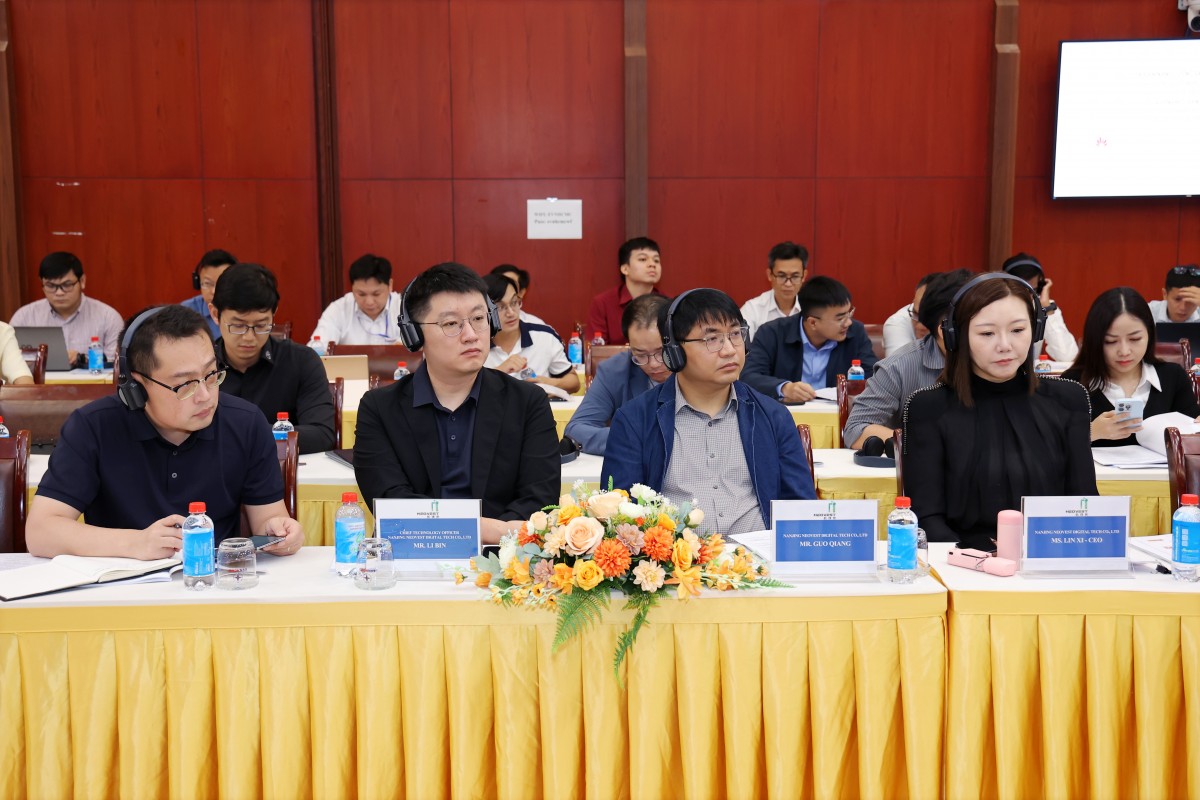
| Ms. Lin Canqi, Chief Executive Officer (CEO) of Nanjing NEOVEST Digital Tech Co., Ltd., presents NEOVEST's perspectives on the development opportunities for Battery Energy Storage Systems (BESS) in Vietnam. |
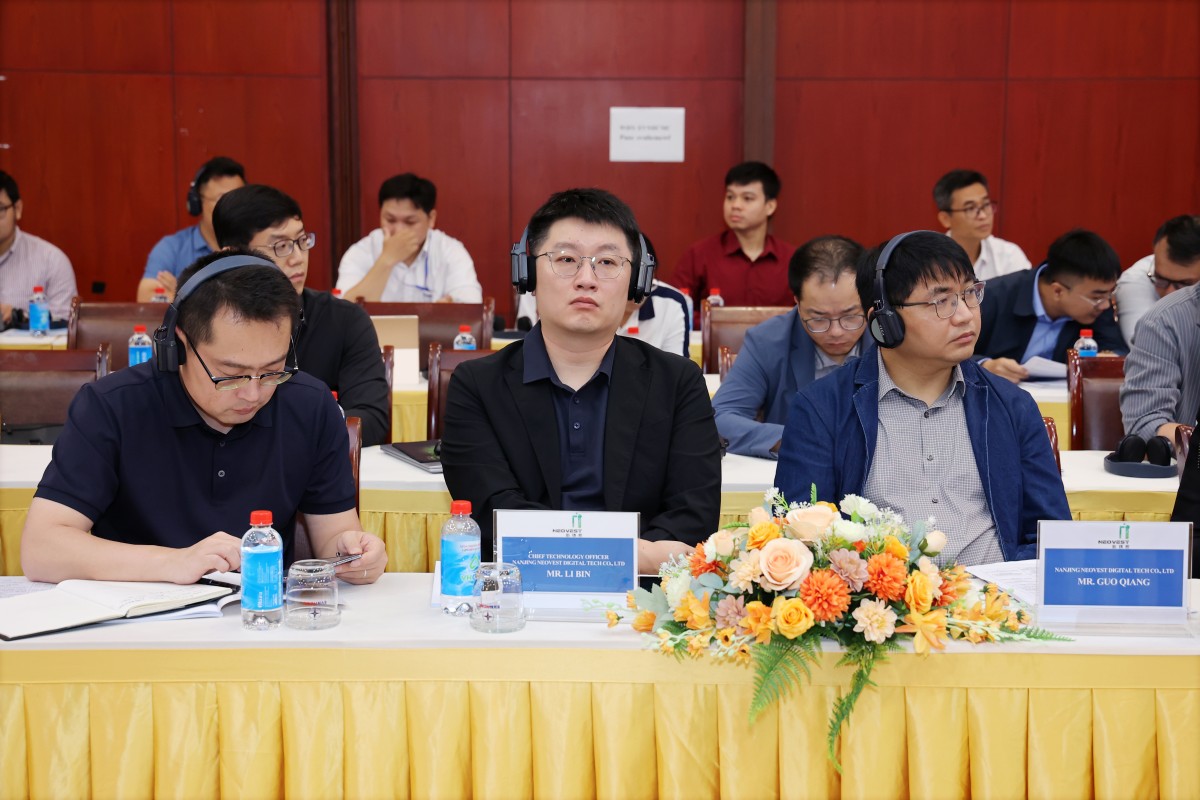
Ms. Lin Xi, Chief Executive Officer of Nanjing NEOVEST Digital Tech Co., Ltd. (NEOVEST), presented a paper entitled "From Scarce Resource to a New Growth Frontier: Unlocking Vietnam's Energy Storage Opportunity."
According to NEOVEST, Vietnam is emerging as one of Southeast Asia's key manufacturing hubs, driving rapid growth in industrial electricity demand. At the same time, the country's power system faces three major challenges: geographical imbalances between power generation and demand centers, seasonal fluctuations in hydropower resources, and the increasing variability of renewable energy generation.
The company identified Battery Energy Storage Systems (BESS) as a key solution to addressing these challenges by improving system flexibility, enhancing renewable energy integration, and strengthening power system reliability. NEOVEST also shared China's experience, where energy storage has evolved from short-duration applications into a critical component of modern power infrastructure.
Looking ahead, NEOVEST expressed its interest in working with Vietnamese partners to develop energy storage projects through collaborative investment models. According to the company, its approach combines technology, capital, smart operation and maintenance (O&M) solutions, and local partnerships to support the sustainable development of Vietnam's emerging BESS market.
PECC2 Highlights Practical Applications of BESS in Vietnam's Power System
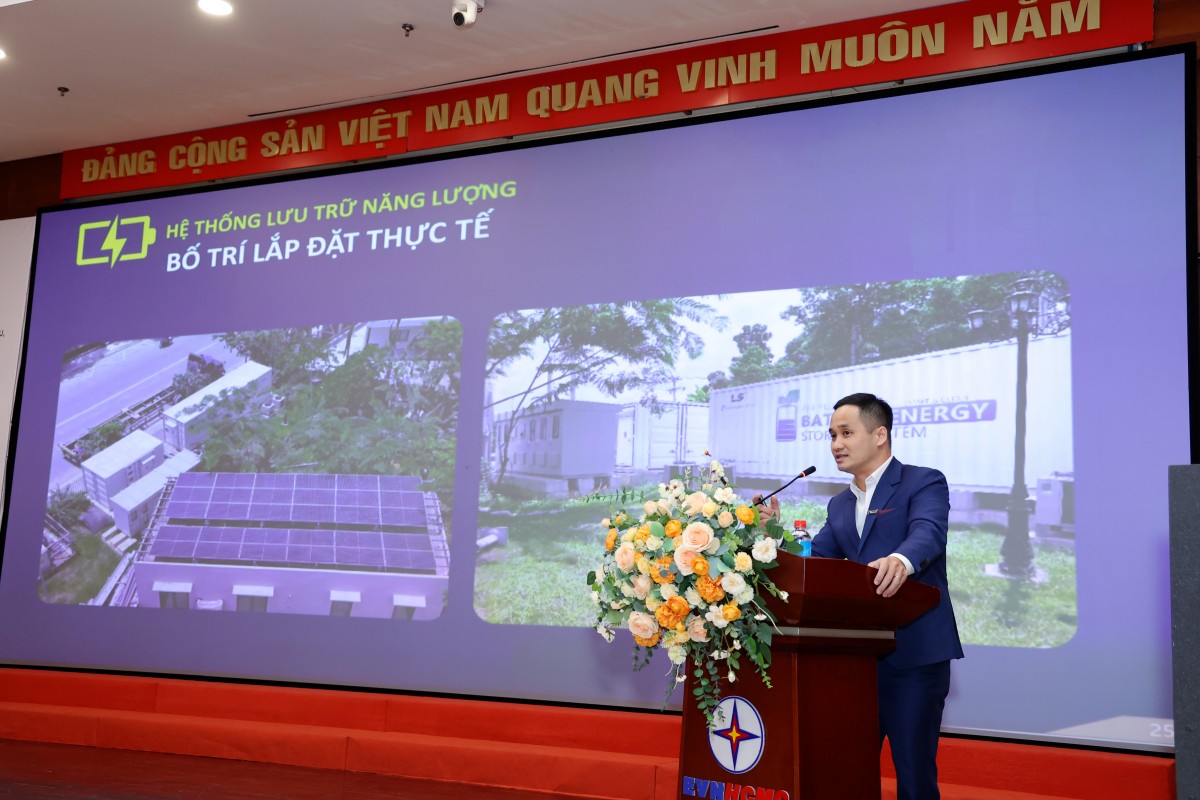 |
| Mr. Vu Duc Quang, Deputy Director of the Training and Research Development Center, Power Engineering Consulting Joint Stock Company 2 (PECC2). |
A representative of Power Engineering Consulting Joint Stock Company 2 (PECC2) presented a study entitled "Energy Storage Solutions for Vietnam's Power System Infrastructure: Current Status and Outlook."
The presentation noted that Vietnam's electricity system continues to experience strong growth in both installed generation capacity and power demand, while the increasing share of renewable energy poses new operational challenges due to its intermittent nature. In this context, Battery Energy Storage Systems (BESS) are emerging as an effective solution to balance electricity supply and demand, improve renewable energy integration, reduce pressure on the transmission network, and enhance overall grid reliability.
According to PECC2, BESS applications in Vietnam are expanding across a wide range of use cases, including island power supply, behind-the-meter energy management, renewable energy integration, and power system support.
The company also shared operational experience from its Power Innovation Hub (PIH), where a BESS has been integrated with a rooftop solar system since 2021. The project has demonstrated the ability to optimize solar energy utilization, reduce peak electricity consumption from the grid, and maintain high battery performance after several years of operation, highlighting the practical potential of energy storage technologies in Vietnam's energy transition.
UNIDO Promotes Energy Districts for Low-Carbon Cities and Industrial Parks
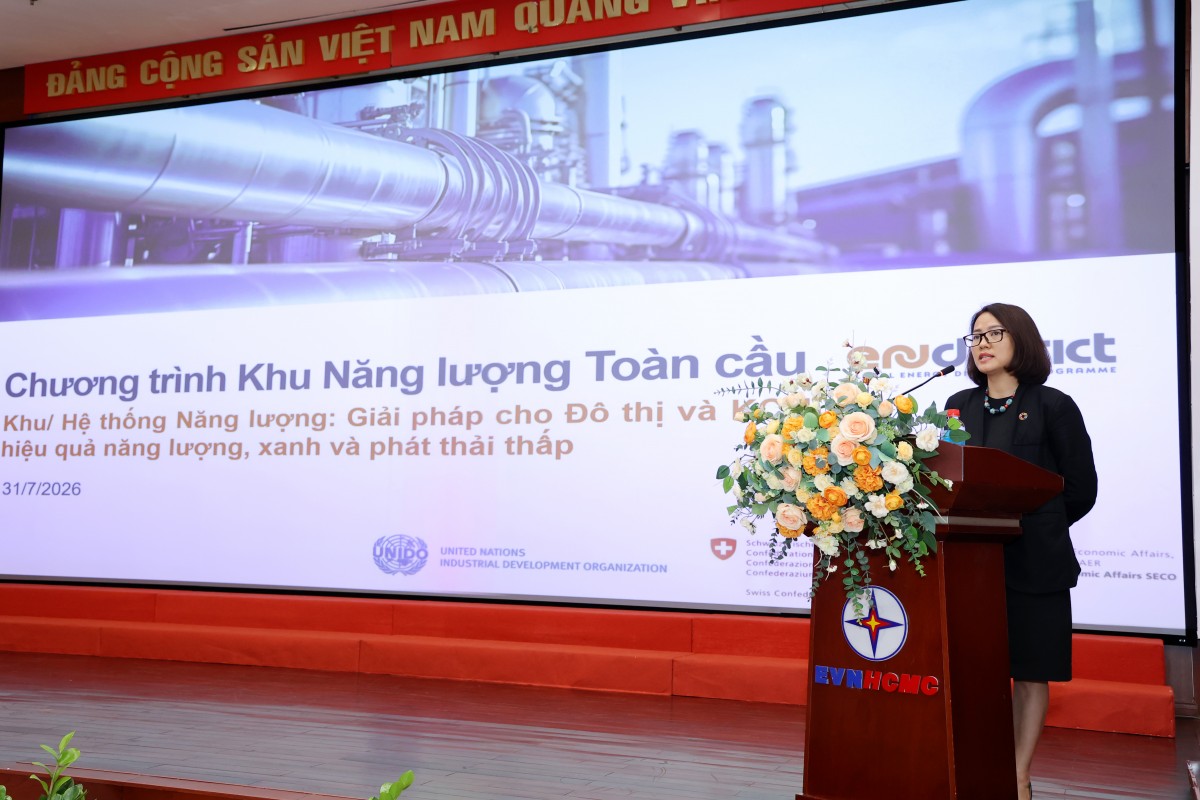 |
| Ms. Hoang Thi Kim Cuc, National Coordinator of the Global Energy District Programme (GEDP) in Vietnam, United Nations Industrial Development Organization (UNIDO). |
A representative of the United Nations Industrial Development Organization (UNIDO) introduced the Global Energy District Programme through a presentation entitled "Energy Districts: A Solution for Green, Low-Carbon Cities and Industrial Parks."
The presentation highlighted Energy Districts as an integrated energy solution in which centralized facilities generate heating and cooling that is distributed through insulated pipeline networks to serve multiple buildings and industrial facilities. By sharing energy infrastructure and utilizing waste heat, the system can significantly improve energy efficiency and reduce carbon emissions.
According to UNIDO, Vietnam's industrial sector is the country's largest final energy consumer, while buildings account for a substantial share of national electricity demand, particularly for cooling. Developing district energy systems would enable Energy Service Companies (ESCOs) to recover waste heat from one facility and supply heating or cooling services to neighboring users, creating both environmental and economic benefits.
UNIDO also shared international experience from Colombia, where Energy District projects have demonstrated the potential to improve energy efficiency and support sustainable urban and industrial development.
VEA and Huawei Vietnam Sign Memorandum of Understanding
 |
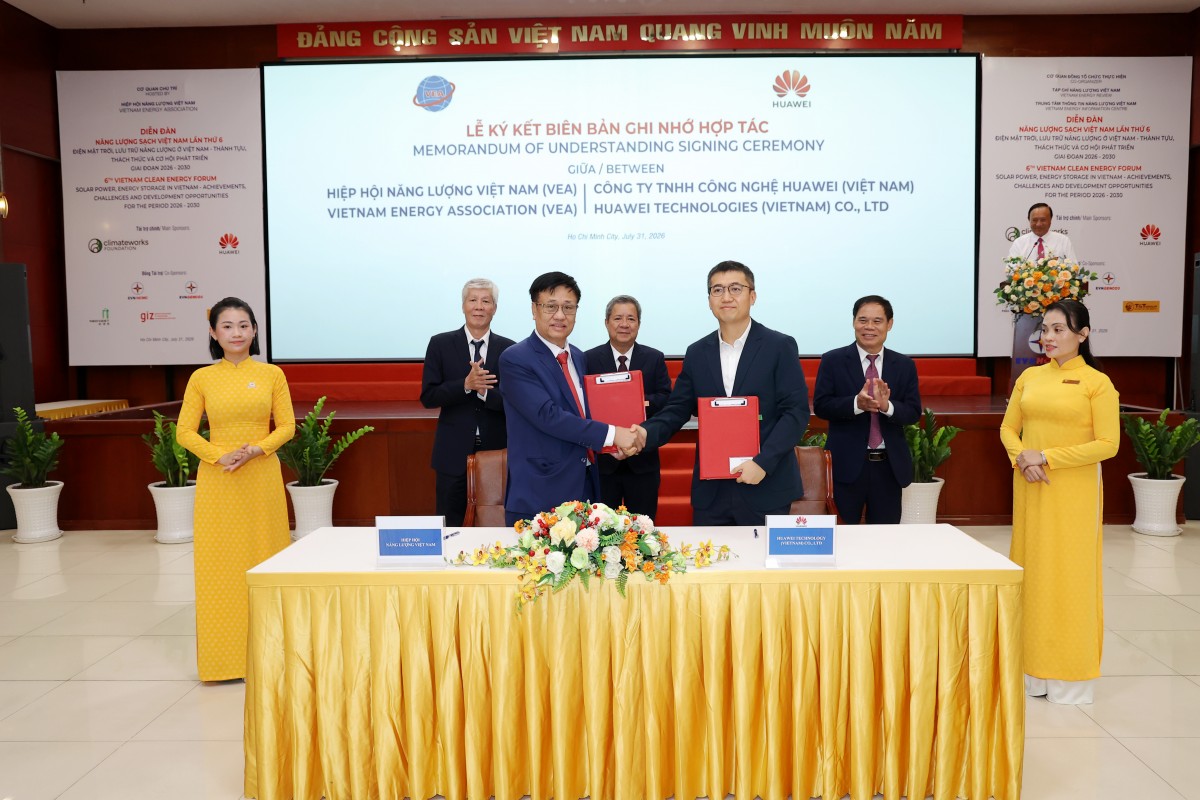 |
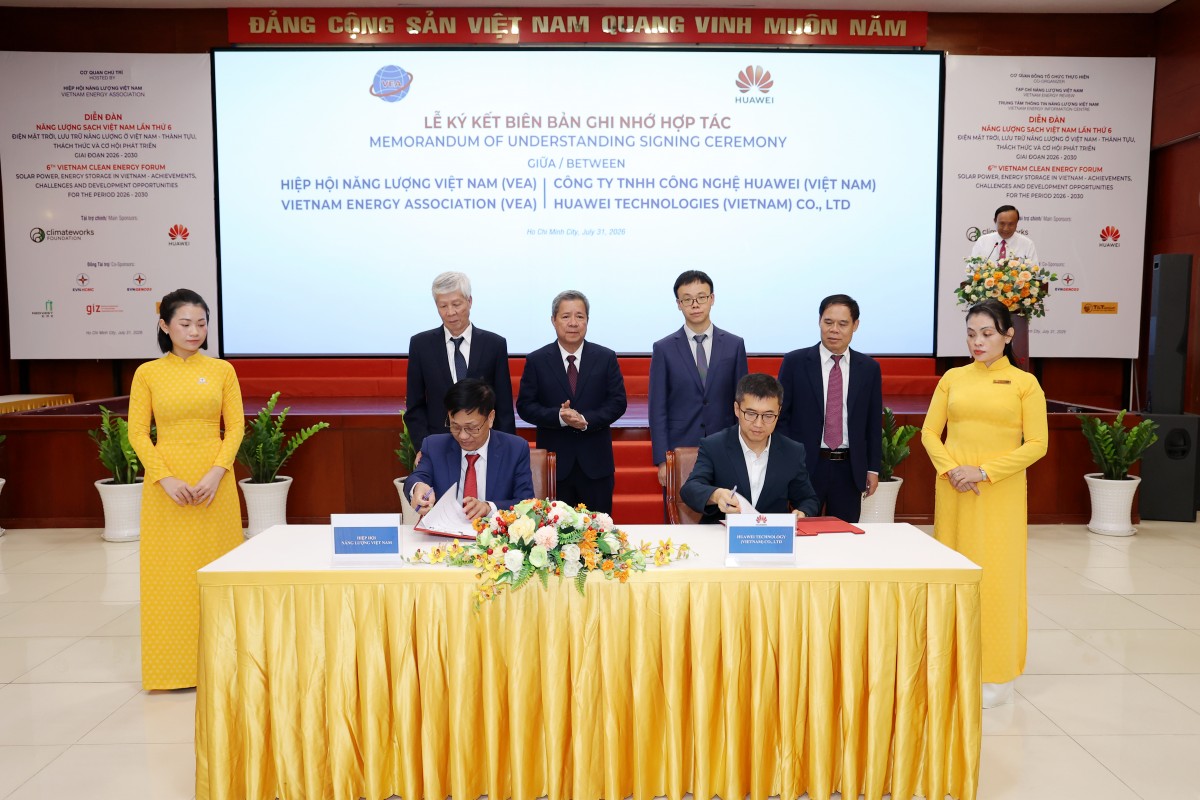
| Mr. Nguyen Hong Hai, Vice Chairman of the Vietnam Energy Association (VEA), and Mr. Wu Xianbo, General Director of Huawei Digital Power, sign a Memorandum of Understanding (MoU) between the Vietnam Energy Association and Huawei Technologies (Vietnam) Co., Ltd. |
During the Forum, the Vietnam Energy Association (VEA) and Huawei Technologies (Vietnam) Co., Ltd. signed a Memorandum of Understanding (MoU) to strengthen cooperation and leverage the strengths of both organizations.
The MoU marks an important milestone in the partnership between VEA and Huawei Vietnam, creating new opportunities for collaboration in promoting clean energy technologies, knowledge sharing, and sustainable energy development in Vietnam.
Panel Discussion: Key Challenges and Policy Priorities for Vietnam's Energy Transition
The Forum concluded with a panel discussion featuring representatives from the Electricity Authority (MOIT), the Institute of Energy, the Vietnam Energy Association (VEA), GIZ, NEOVEST, and PECC2, focusing on the implementation of the Revised National Power Development Plan VIII (Revised PDP8), the large-scale deployment of Battery Energy Storage Systems (BESS), and the expansion of the Direct Power Purchase Agreement (DPPA) mechanism.
Implementing the Revised PDP8
Responding to questions on the implementation of the Revised PDP8, the Institute of Energy identified implementation capacity as one of the greatest challenges. The Institute emphasized that power generation and transmission projects must be delivered on schedule to ensure coordinated system development, while additional market-based pricing mechanisms are needed to attract greater private-sector investment.
Creating the Right Conditions for BESS
Discussing the roadmap for large-scale BESS deployment, NEOVEST stressed that investment in energy storage requires predictable revenue streams. According to the company, capacity payments and ancillary service markets are essential to ensuring the commercial viability of BESS projects.
NEOVEST also shared international experience, noting that unified technical standards are critical for ensuring the quality and safety of energy storage systems. Drawing on lessons from China and Europe, the company highlighted the importance of establishing consistent BESS standards while promoting high-quality rooftop solar systems capable of supporting future virtual power plant (VPP) development.
Panelists also discussed the role of BESS in Vietnam's future power system. In the medium term, standalone BESS is expected to provide peak-shaving services, while larger hybrid renewable energy and storage projects could become increasingly competitive. Participants agreed that BESS deployment should be aligned with the grid's capability to absorb additional renewable generation and supported by adequate transmission infrastructure.
Adding to the discussion, PECC2 noted that an appropriate electricity pricing mechanism will be critical to ensuring the financial viability of BESS projects. The company emphasized the importance of sufficient price differentials between charging and discharging periods to enable commercially sustainable operation.
DPPA: From Policy Mechanism to Market Development
Regarding the DPPA mechanism, representatives of the Electricity Authority stated that the current policy framework is already attractive to investors, particularly foreign-invested enterprises (FDIs), many of which are developing rooftop solar projects to meet their own green electricity demand.
Representatives from GIZ shared international experience, noting that as the share of renewable energy increases, power systems require greater operational flexibility. According to GIZ, the successful expansion of DPPA depends not only on renewable energy deployment but also on timely investment in transmission infrastructure and system flexibility.
GIZ also pointed out that the wider adoption of DPPA will gradually change the revenue structure of power utilities. As electricity sales decline under direct power purchase arrangements, transmission and system services will become increasingly important sources of value, reinforcing the role of EVN in maintaining the reliability, stability and security of Vietnam's national power system.
A Shared Vision for Vietnam's Energy Transition
The panel discussion highlighted a common view among policymakers, industry representatives and international experts that the successful implementation of the Revised PDP8 will require coordinated policy reforms, adequate investment mechanisms, and closer cooperation among government agencies, power utilities, investors and technology providers. Participants agreed that BESS, DPPA and electricity market reform should be developed in parallel to support Vietnam's transition toward a secure, flexible and low-carbon power system.
Closing Remarks
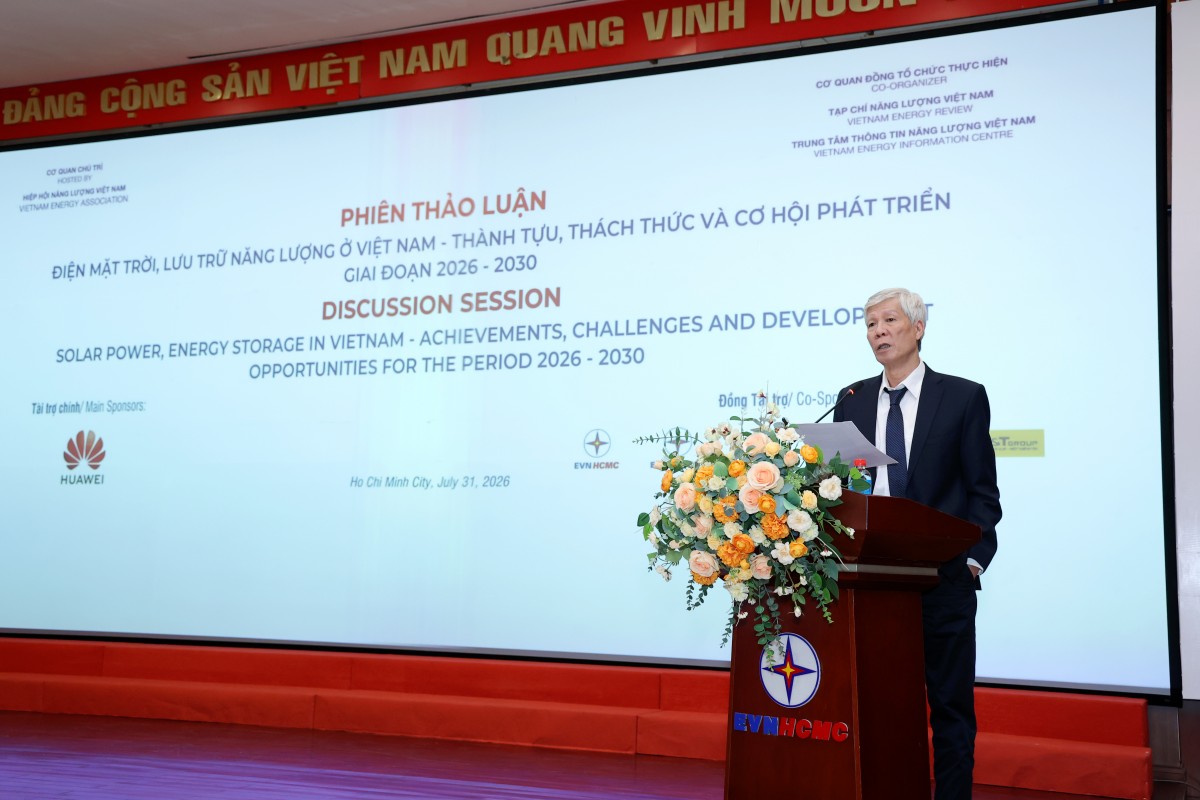 |
| Mr. Nguyen Anh Tuan, Vice Chairman and Secretary General of the Vietnam Energy Association (VEA). |
In his closing remarks, Mr. Nguyen Anh Tuan, Vice Chairman and Secretary General of the Vietnam Energy Association (VEA), summarized the Forum's key messages, noting that participants had gained valuable insights into the latest regulatory developments under Decree No. 243/2026/ND-CP, as well as the current status, technological advances, and development prospects of renewable energy and Battery Energy Storage Systems (BESS) in Vietnam.
He emphasized that the expansion of BESS should keep pace with the growth of renewable energy, while solar power continues to offer significant development opportunities driven by strong investor interest. At the same time, flexible generation, energy storage solutions, and the gradual expansion of the Direct Power Purchase Agreement (DPPA) mechanism will play an increasingly important role in supporting Vietnam's energy transition.
Mr. Tuan also noted that recommendations raised during the Forum, including proposals on a two-component electricity pricing mechanism, tax incentives, and financial support for BESS, would be carefully reviewed by the Organizing Committee. The Vietnam Energy Association will consolidate these recommendations and submit them to the relevant authorities as inputs for the continued improvement of policies and regulatory frameworks for renewable energy and energy storage./.
Highlights from the 6th Vietnam Clean Energy Forum
 |
 |
 |
 |
 |
 |
 |
 |
 |
 |
 |
 |
 |
 |
 |
 |
 |
 |
 |
 |
 |
 |
 |
 |
 |